
Carbon Monoxide Detector Beeping After Power Outage
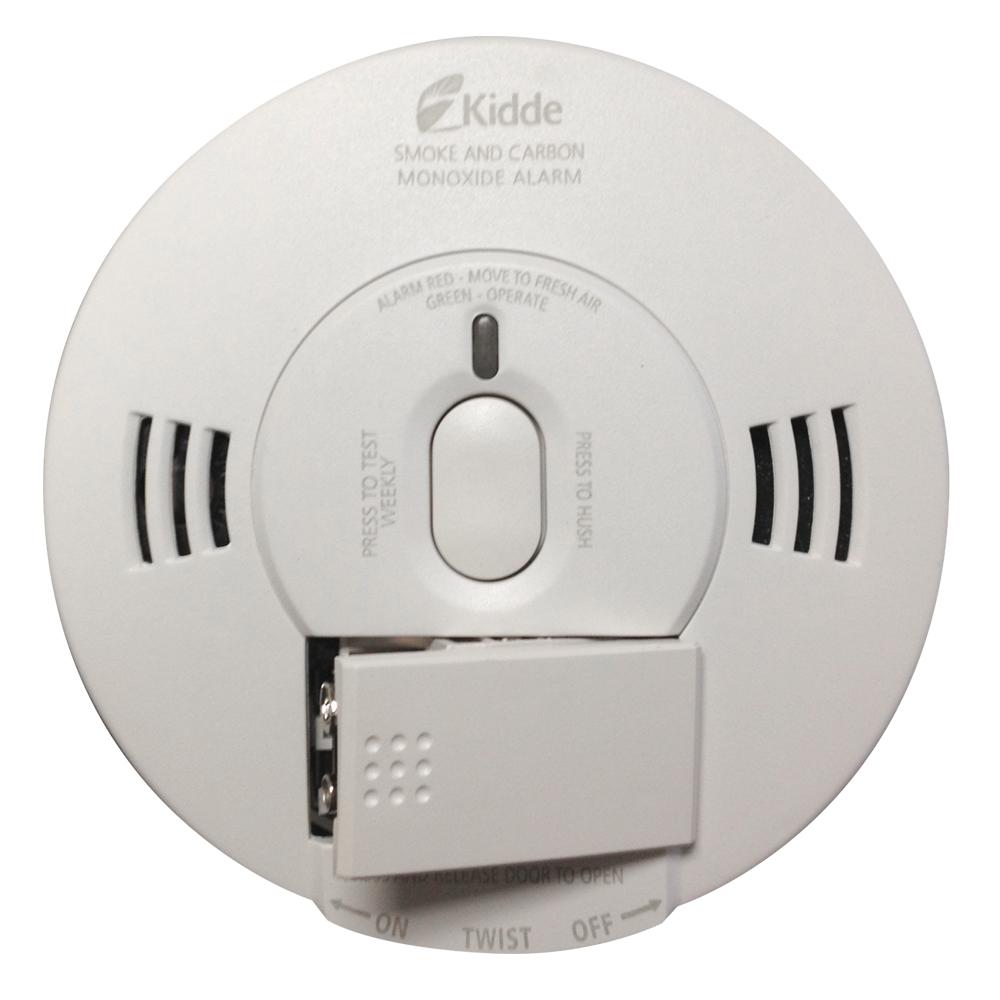
Hey there, friend! So, the lights just flickered back on, you’ve finally found your favorite comfy spot, and just as you're settling in... BEEP BEEP BEEP! Your carbon monoxide detector has decided it's time for a solo concert, and frankly, it's not hitting the high notes. Annoying, right? It's like, "Thanks for letting me know the power’s back, buddy, but could you maybe not sound like a dying robot?"
You're not alone in this post-power-outage symphony of beeps. It's a super common occurrence, and usually, it's nothing to panic about. Let's decode this mystery together, shall we? Grab a cuppa, because we’re about to turn you into a CO detector whisperer!
Why the Drama, Detector?
Think of your CO detector as a tiny, very important guardian. Most wired detectors, the ones hooked up to your home's electricity, aren't just relying on good ol' wall power. Oh no, they're like the Beyoncé of safety devices – they have a backup plan! That plan usually involves a 9-volt or AA battery.
Must Read
When the power goes out, your detector dutifully switches to its battery backup. It's doing its job, staying vigilant even in the dark. But here’s where the drama kicks in:
-
The "Low Battery" Blues: Sometimes, during a power outage, the battery backup gets a workout. If it was already on its last legs, that extra effort can push it over the edge. So, when the main power returns, your detector might be saying, "Phew! Glad you're back, but also, my batteries are toast, and I need a snack!" This usually manifests as a consistent chirp every 30-60 seconds, or sometimes, a series of quick beeps.
-
The "System Reset" Hiccup: Other times, it's less about low battery and more about a momentary brain fart. When your detector loses power and then gets it back, it essentially goes through a mini-reset. It might emit a quick series of beeps to signal that it's back online and running its self-diagnostics. It's like your computer booting up – sometimes it makes a little noise to say, "Hey, I'm here!" This is usually a short burst of beeps, not a continuous alarm.
-
The "Expired" Reminder: Okay, this one isn't directly related to the power outage, but sometimes the outage is just the final straw. CO detectors, like milk, have an expiration date – typically 5-7 years. If yours is getting old, a power cycle might just be the thing that pushes it to start chirping its "I'm retiring!" song. It's not a panic alarm, but a gentle nudge to get a new one.

What to Do If Your Carbon Monoxide Detector is Beeping
Alright, So What Do I Do About It?
Good question! Let's get this little noisemaker to chill out. Here’s your game plan:
1. Check the Batteries (the Most Common Culprit):
This is usually the big one. If your detector is chirping regularly, it's screaming for new batteries. Pop that bad boy open and replace them with fresh ones. Make sure you get the right size (usually 9-volt or AA). Pro tip: Keep a spare 9-volt handy, because these things always decide to die at 3 AM.
2. Hit the "Reset" or "Test" Button:

Sometimes, all it needs is a good old-fashioned reset. Look for a button labeled "Test" or "Reset" on your detector. Press and hold it for a few seconds. This can often silence the chirping or help it recalibrate after the power surge.
3. Unplug and Re-plug (if it's a plug-in unit):
If you have a plug-in CO detector (no wires, just plugs into an outlet), try unplugging it for about 30 seconds and then plugging it back in. This completely cuts power, allowing for a full reset. It's like giving your detector a mini-nap.
4. Give it a Good Cleaning:
Believe it or not, dust can sometimes mess with these sensitive gadgets. Carefully vacuum around the vents or wipe it down with a soft, damp cloth (make sure it's not dripping wet!). Just avoid using harsh chemicals.

5. Check the Expiration Date:
Remember that "I'm retiring!" song? Look on the back or side of your detector for a manufacturing or expiry date. If it's past its prime (usually 5-7 years from the manufacture date), it's time to replace it. No amount of battery changes will fix an old sensor.
When to Actually Worry (Just a Little Bit!)
Okay, most of the time, it’s just a battery or a reset issue. But it’s super important to know the difference between a low-battery chirp and a genuine alarm. A true carbon monoxide alarm is usually a very loud, continuous, rapid series of four beeps, repeating every few seconds. It’s impossible to ignore and sounds very different from a gentle chirp.
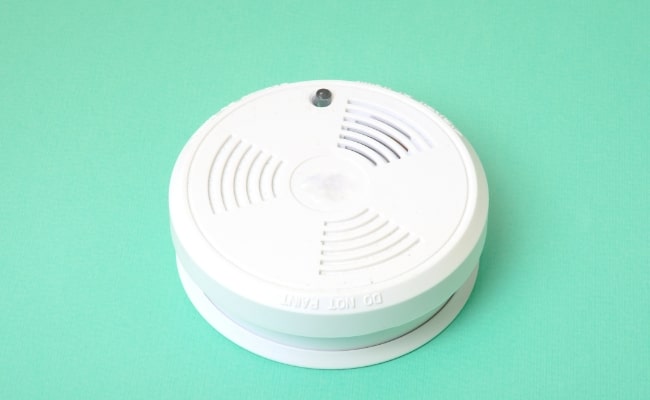
If you hear that serious alarm, especially if anyone in the house is feeling unwell (headache, dizziness, nausea, weakness – kind of like a bad flu), please take it seriously!
Immediately:
- Get everyone, including pets, out of the house into fresh air.
- Call 911 or your local fire department from a safe location. They can detect CO levels professionally.
- Do NOT re-enter your home until emergency services say it's safe.
But again, let’s bring it back to the optimistic side: a post-power-outage chirping is almost always just a battery tantrum or a system reboot. You've got this!
Wrapping Up with a Smile!
So, there you have it! The next time your carbon monoxide detector decides to serenade you after a power hiccup, you'll be armed with knowledge and a calm, confident stride. You'll know exactly what those beeps mean and how to politely (but firmly!) ask them to stop.
Taking care of your CO detector is a small but mighty act of self-care for your home and family. It’s like giving your house a little hug and saying, "Hey, I care about your safety!" So pat yourself on the back for being such a responsible, safety-savvy superstar!
Stay safe, stay happy, and may your power outages be short and your CO detectors always properly fed with fresh batteries!