
Carbon Monoxide Detector Beeping 3 Times
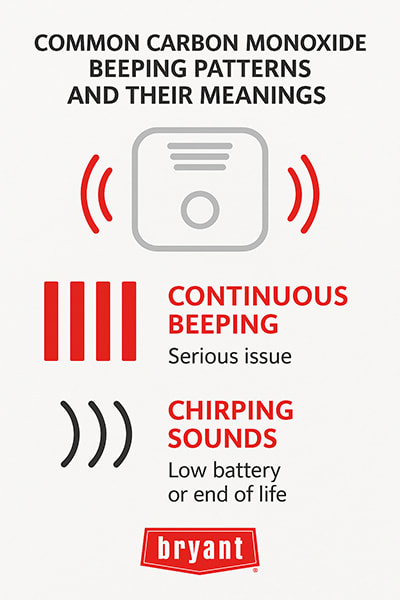
You're curled up on the couch, maybe with a good book, a cup of tea, or your favorite show streaming. The house is quiet, cozy, and everything feels just right. Then, out of nowhere, you hear it: beep beep beep! Not just one beep, not a frantic four beeps, but a rhythmic, slightly annoying, three-beep chorus from your carbon monoxide detector. Your first thought might be, "Oh no, is it CO? Am I in danger?!" Take a deep breath! While it's always wise to pay attention to your detectors, those three little beeps usually mean something a bit different, and thankfully, less immediately alarming, than a full-blown carbon monoxide alert.
Your Little Guardian is Talking (But Not About CO... Yet!)
Think of your carbon monoxide detector as a tiny, silent superhero living on your wall or ceiling. Most of the time, it's just quietly doing its job, sniffing the air for that invisible, odorless villain known as carbon monoxide. It's like having a little personal bodyguard who never sleeps. When it gives you three insistent beeps, it's not screaming "DANGER! GET OUT NOW!" (which is usually a rapid four-beep pattern). Instead, it's more like it's saying, "Psst! Hey! Over here! I have a small problem, and I need your attention!"
Those three beeps are typically your detector's way of telling you there's a fault or an error with the unit itself. It’s like your car’s "check engine" light coming on – it doesn't mean your engine is about to explode, but it does mean something needs looking into to ensure it's still running perfectly.
Must Read
So, what could be bothering your little guardian?
The Most Common Reasons for the Three-Beep Symphony
1. It's Time to Retire (End-of-Life Alert!)
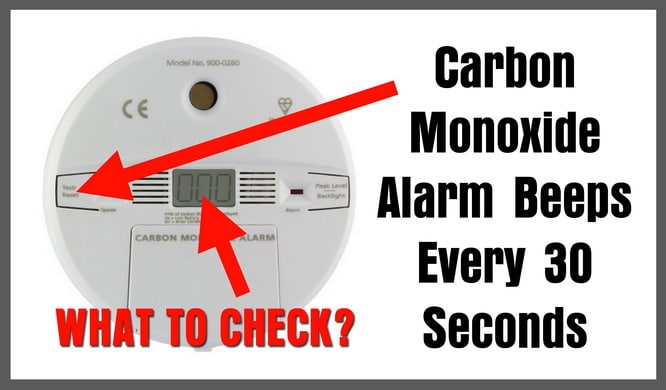
This is probably the most frequent culprit behind the three beeps. Carbon monoxide detectors don't last forever, bless their little circuit boards. Their sensors have a shelf life, usually around 5-7 years. After this time, they become less reliable at detecting CO. Your detector is essentially saying, "Hey boss, I've served my time! I'm getting a bit old for this secret agent stuff. Time to bring in a fresh recruit!"
Think of it like your favorite pair of sneakers. They might still look okay, but after years of pounding the pavement, they're just not giving you the support they used to. It's time for a new pair to keep your feet happy and safe!
What to do: Flip your detector over. There's usually a "manufacture date" or "replace by" date printed on the back. If it's past its prime, it's time for a new one. Don't worry, they're surprisingly affordable and easy to install.
2. Sensor Hiccups (A Temporary Brain Freeze?)
Sometimes, the internal sensor might just be having a bit of a moment. Maybe it got dusty, or there was a tiny power surge, or it just woke up on the wrong side of the wall. It’s not a full breakdown, but it's not operating at peak performance either.
Imagine if your smartphone suddenly froze for a second before snapping back to normal. Annoying, but not usually a disaster. Your CO detector might be experiencing a similar momentary glitch.
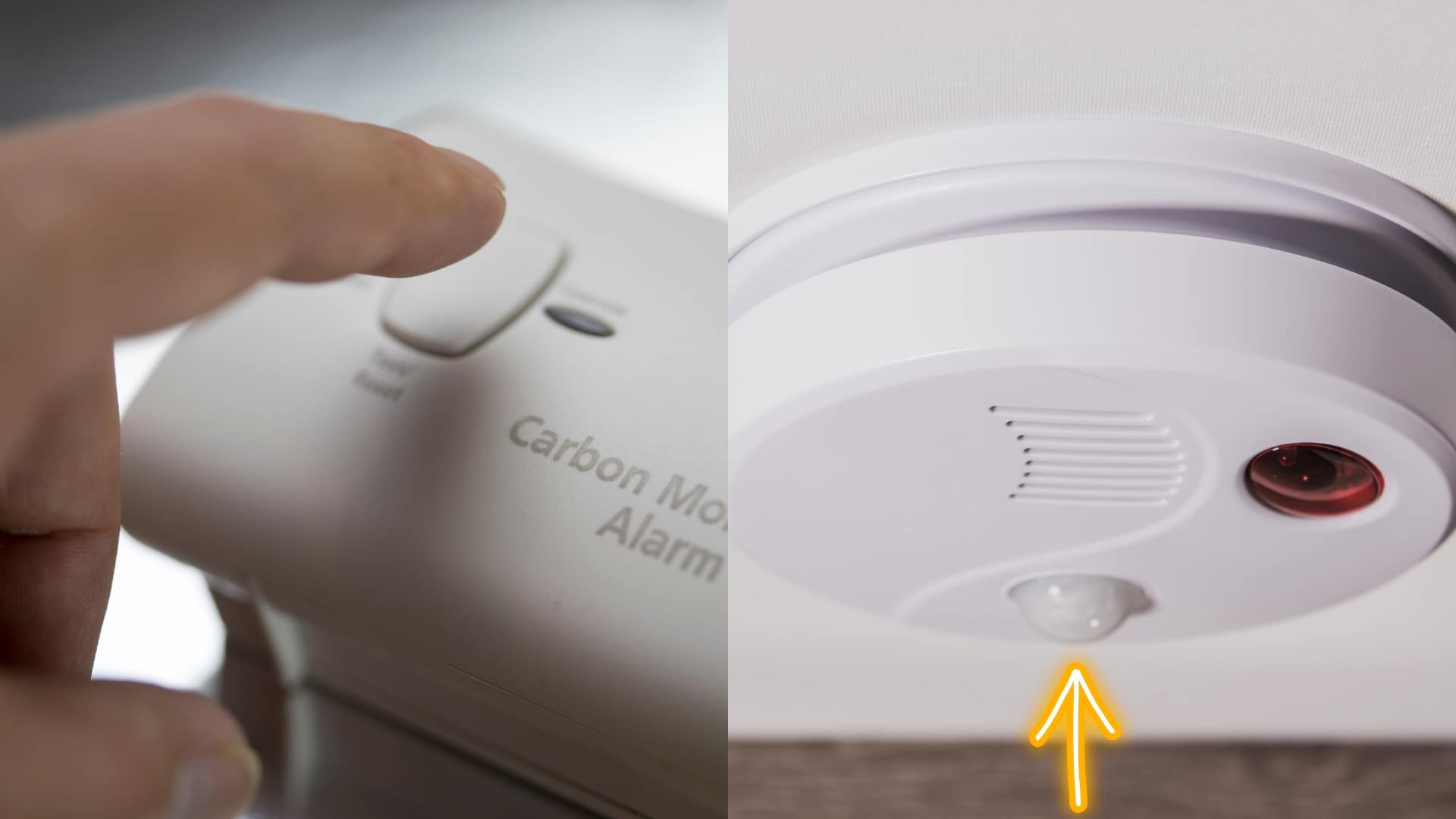
What to do: Try resetting the unit. There's usually a "test/reset" button. Press and hold it for a few seconds. If it's battery-powered, you could also try temporarily removing the batteries (for about 30 seconds) and then putting them back in. This often clears up minor sensor issues. But if the three beeps return quickly, it's likely something more persistent.
3. (Less Common for 3 Beeps) Low Battery Warning?
While a single, periodic chirp is the classic "low battery" sound for most detectors (like a tiny bird begging for seeds), some models might use three beeps for this, though it's less common for CO detectors specifically. Still, it's worth considering, especially if your unit is battery-powered.

What to do: If your unit uses replaceable batteries, pop in some fresh ones! It’s like giving your TV remote a new lease on life – suddenly everything works perfectly again!
Why You Really Care About This (Even the "Faulty" Beeps!)
Okay, so your detector isn't screaming about immediate danger, but it's still sending out an SOS. Why is it so important to address this fault immediately?
Because your carbon monoxide detector is your only real defense against a truly silent, invisible killer. Carbon monoxide is often called "the silent killer" for a reason. You can't see it, smell it, or taste it. It creeps into your home from faulty furnaces, gas stoves, fireplaces, water heaters, or even car exhaust seeping in from an attached garage.
Symptoms of CO poisoning can feel like a flu – headache, dizziness, nausea, fatigue. You might just think you're having a bad day, or that you caught a bug. But CO is much more sinister because it replaces oxygen in your blood, depriving your vital organs. Scary stuff, right?
This is precisely why your detector, even when it's just beeping three times about a fault, is so important. A faulty detector is a sleeping guardian. It can't protect you if it's not working properly. Addressing those three beeps ensures your superhero is always awake, alert, and ready to sound the real alarm if CO ever tries to crash your party.
Don't ignore those three beeps! Think of it as your detector's way of gently reminding you to keep it in tip-top shape, so it can keep you in tip-top shape. A quick check, a battery swap, or a brand-new unit can give you immense peace of mind. So go ahead, give your little wall-mounted hero the attention it deserves!