Carbon Monoxide Detector Beeping 3 Times First Alert
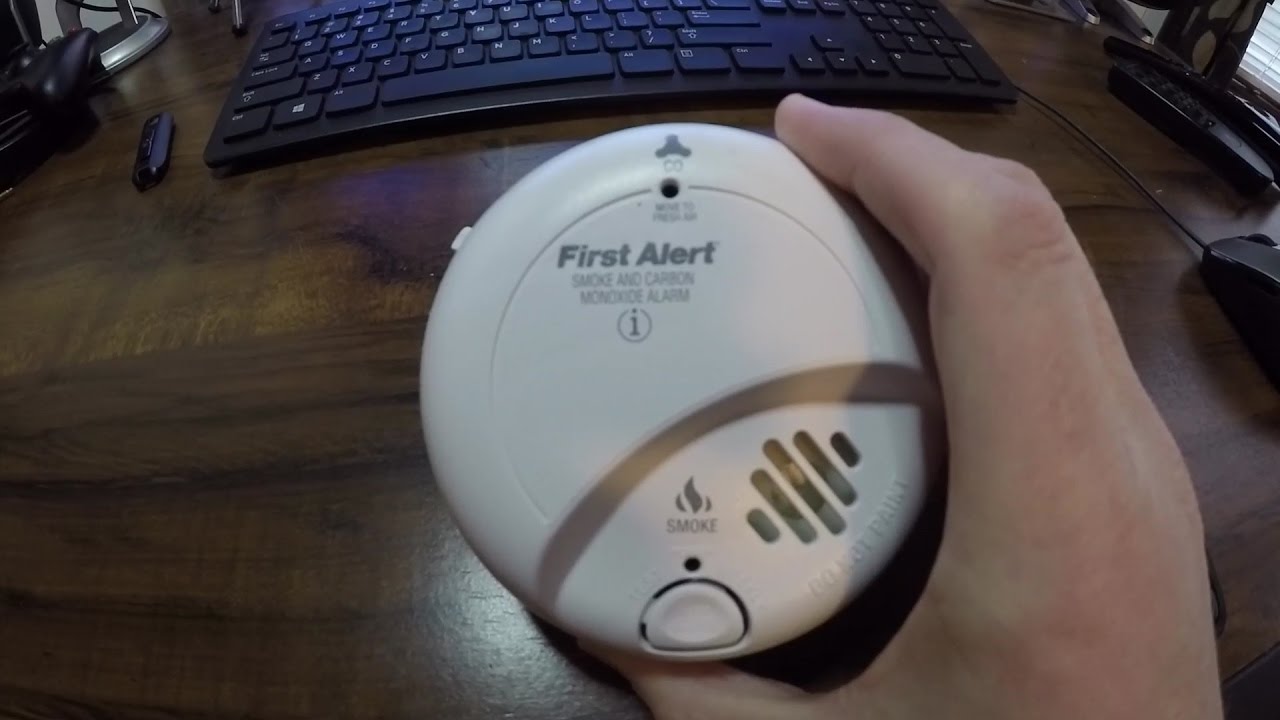
Ah, the symphony of home life! Sometimes it’s the gentle hum of the refrigerator, sometimes it’s the playful barking of the dog, and then there’s that distinct, attention-grabbing “beep-beep-beep” from your Carbon Monoxide (CO) detector. If you’ve got a First Alert unit, this particular triple chirp is a common household mystery that, once solved, brings a huge sense of relief and a valuable boost to your home safety knowledge. It might not be "fun" in the roller-coaster sense, but understanding this little signal is incredibly useful and a surprisingly popular topic because it happens to so many of us!
So, why should you care about this three-beep serenade? Well, for beginners in home maintenance, decoding these signals is like learning a secret language that keeps your household safe. Instead of panic, you get clarity. For families, it means peace of mind, knowing that you’re proactively managing safety for your loved ones. You can explain to your kids that the detector is just "talking" to you about its health, not necessarily shouting about danger. Even for the casual home enthusiast or DIYer, understanding these specific alerts helps in creating a smarter, safer living environment, allowing you to quickly diagnose and address potential issues without calling in an expert every time.
Now, let's talk specifics. When your First Alert Carbon Monoxide detector starts beeping three times repeatedly, it’s usually telling you one of two things: either it’s reached its end-of-life or it’s experiencing a malfunction. This is distinctly different from a single beep every minute (which usually means a low battery) or a continuous, rapid alarm (which means actual CO has been detected – that's when you really need to take immediate action and evacuate!). Think of the three beeps as a gentle nudge, a polite notification that it’s time to check on your device's health. Different brands might have slightly varied codes, but the principle remains: these devices are designed to communicate their status long before they fail completely or raise a full alarm.
Must Read
Getting started with decoding and resolving this issue is surprisingly simple. First, and most importantly, don’t ignore it! That triple beep is a sign your safety net needs attention. Second, identify your specific model of First Alert detector. Look for the model number on the back. Then, here's the golden tip: check the user manual. If you tossed it, don't worry – most manuals are easily found with a quick online search using your model number. The manual will confirm precisely what those three beeps mean for your particular unit. Chances are, if your detector is more than 5-7 years old (check the manufacture date, not the purchase date!), those three beeps are its way of saying, “I’ve served my time, it’s time to replace me!” While some CO detectors allow battery replacement, if it's an end-of-life signal, replacing batteries won't help; you'll need a whole new unit to ensure continued protection.
Ultimately, understanding that "beep-beep-beep" isn't just about stopping an annoying sound; it’s about empowering yourself with knowledge, ensuring the continuous safety of your home, and gaining priceless peace of mind. A little detective work now can prevent big worries later, making your home a safer, more predictable haven for everyone.