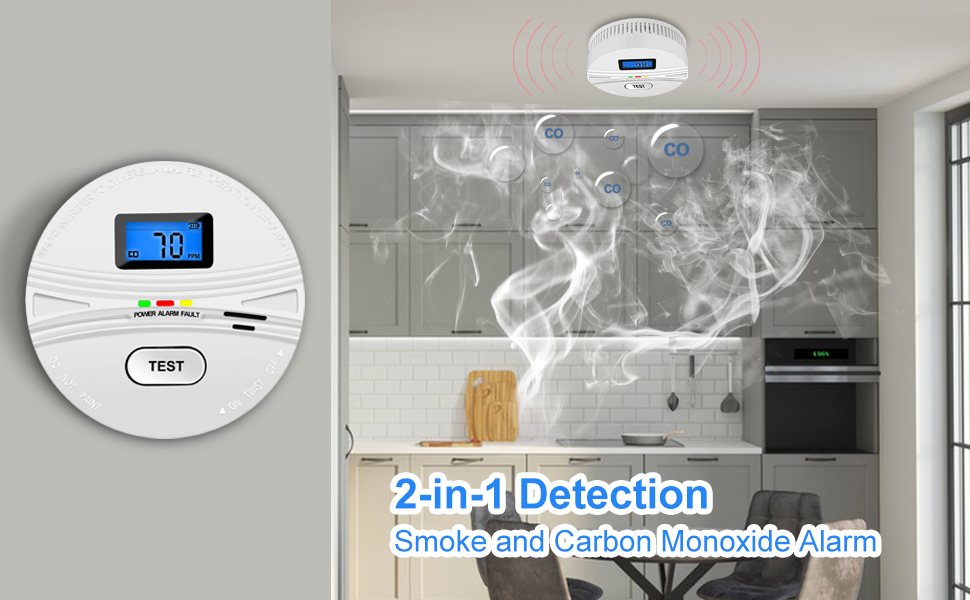
Carbon Monoxide Detector And Smoke Alarm
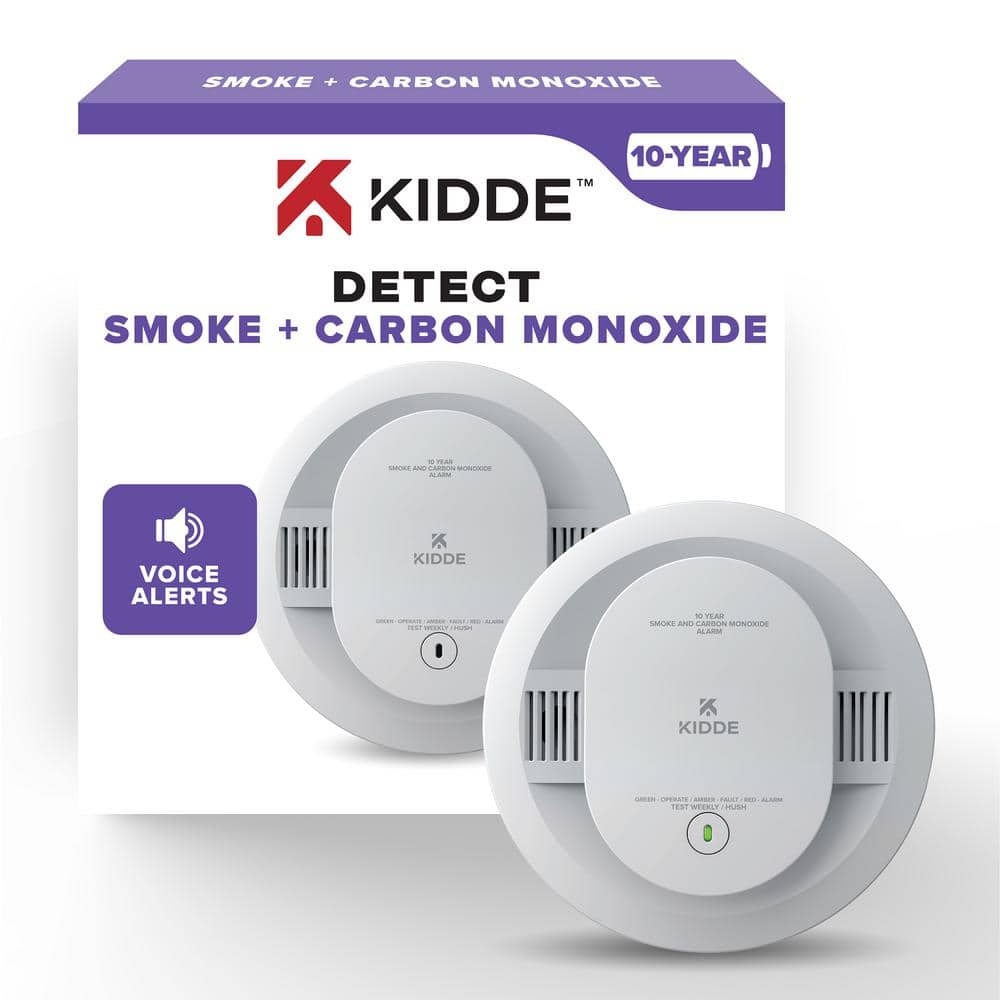
Let's talk about home, sweet home. It's our sanctuary, our safe haven, the place where we kick off our shoes and truly unwind. But even in the coziest of spaces, there are unseen guardians working quietly in the background, ensuring our peace of mind. We're talking about those unassuming, yet absolutely essential, devices: the Carbon Monoxide Detector and the Smoke Alarm. Think of them as the dynamic duo of home safety, working tirelessly so you don't have to.
In our modern, busy lives, it's easy to overlook these seemingly mundane gadgets. But truly, they are the unsung heroes of domestic bliss, letting us enjoy our morning coffee, binge-watch our favorite show, or simply drift off to sleep without a shadow of a doubt. Let's peel back the curtain on why these two are non-negotiables for any conscious dwelling.
The Persistent Pal: Your Smoke Alarm
First up, the classic. The one whose piercing "beep-beep-beep" might have startled you awake a time or two because of burnt toast (hey, it happens!). That, my friends, is your smoke alarm doing its job. It's the first line of defense against one of the oldest threats to our homes: fire.
Must Read
You might think, "I'll smell smoke!" And while that's often true when you're awake, fires can be silent and swift, especially when you're sleeping. This is where your smoke alarm steps in, a silent sentinel ready to erupt into action when seconds count. Did you know the first patent for an automatic fire alarm was granted way back in 1890? Talk about a long-standing tradition of safety!
Practical Tips for Your Smoke Alarm:
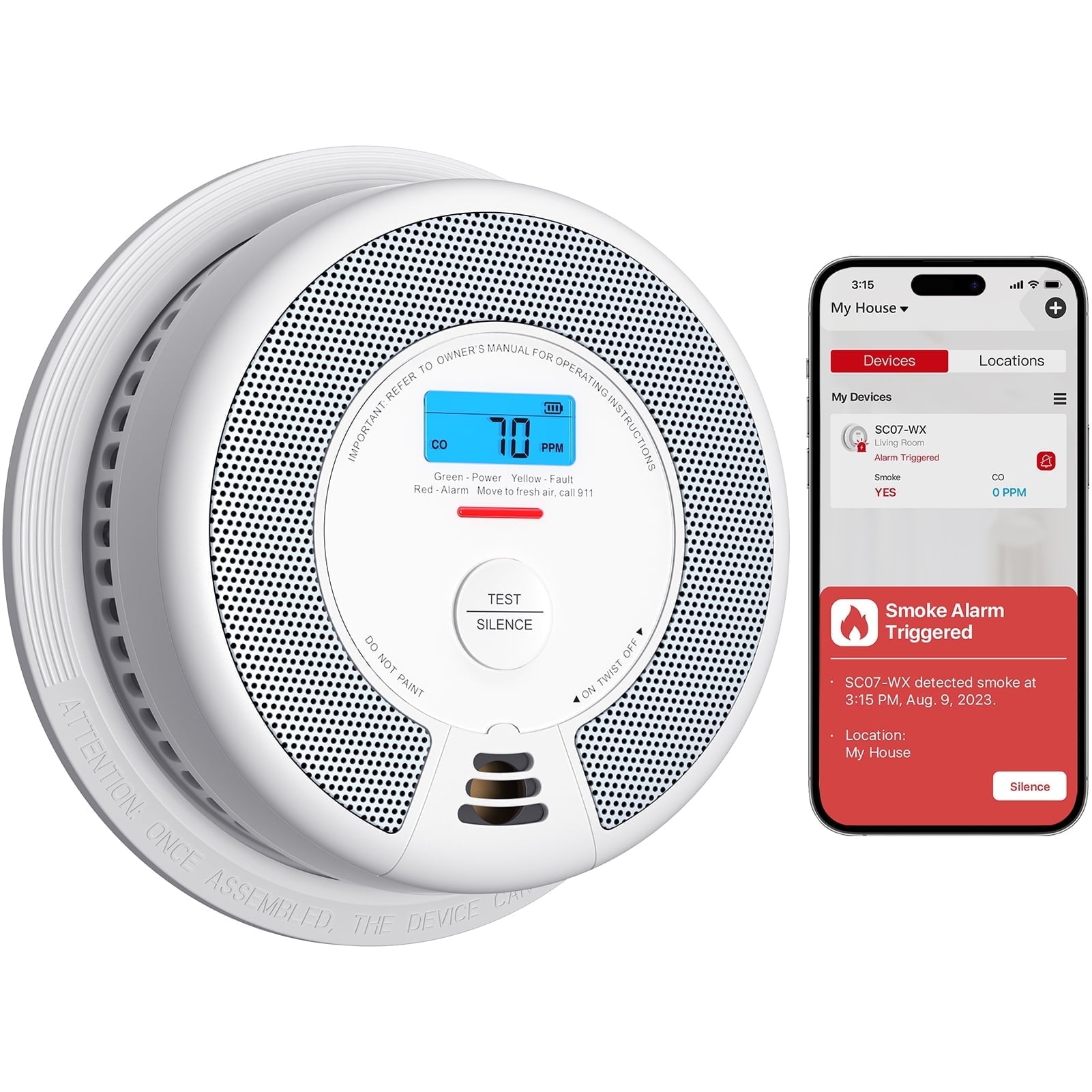
- Placement Power: Install them on every level of your home, inside bedrooms, and outside all sleeping areas. High ceilings are fine, but ensure they're not obstructed.
- The Monthly Check-Up: Give the test button a press once a month. Hear the chirp? Good.
- Battery Swap Dance: A good rule of thumb? Change the batteries at least once a year, or ideally, when you adjust your clocks for daylight saving time. It’s an easy way to remember!
- Expiry Date Matters: Smoke alarms aren't forever. Most have a lifespan of about 10 years. After a decade, the sensor can become less reliable. Check the manufacturing date on the back and plan to replace them.
The Invisible Foe Fighter: Your Carbon Monoxide Detector
Now, for the quieter, sneakier adversary: Carbon Monoxide (CO). This truly is the "silent killer" because it's invisible, odorless, and tasteless. You can't see it, you can't smell it, and you certainly can't taste it, yet it can be deadly.
CO is produced by fuel-burning appliances (think furnaces, gas stoves, water heaters, fireplaces, clothes dryers, and even car exhaust) when they don't get enough oxygen for complete combustion. Leaky flues, blocked chimneys, or even a running car in an attached garage can be culprits. The scariest part? Its symptoms often mimic the flu – headache, dizziness, nausea – making it incredibly hard to detect without a dedicated device.

Practical Tips for Your CO Detector:
- Location, Location, Location: Install them on every level of your home, especially near sleeping areas and anywhere fuel-burning appliances are located.
- Keep Your Distance: Don't place them directly next to combustion appliances or in very humid areas like bathrooms, as this can affect their accuracy.
- Monthly Test Ritual: Just like smoke alarms, press that test button once a month to ensure it's functioning.
- Battery Boost & Expiry Alert: Again, change batteries annually. CO detectors typically have a lifespan of 5-7 years. Pay attention to that expiry date!
The Dynamic Duo, Togetherness is Key
It's crucial to understand that a smoke alarm does not detect carbon monoxide, and a carbon monoxide detector does not detect smoke. They are distinct devices, each specialized in catching a different kind of threat. That's why having both is not just a good idea, it's an absolute necessity for comprehensive home protection. Many modern units even come as combination smoke/CO detectors, offering convenient dual protection in a single device.
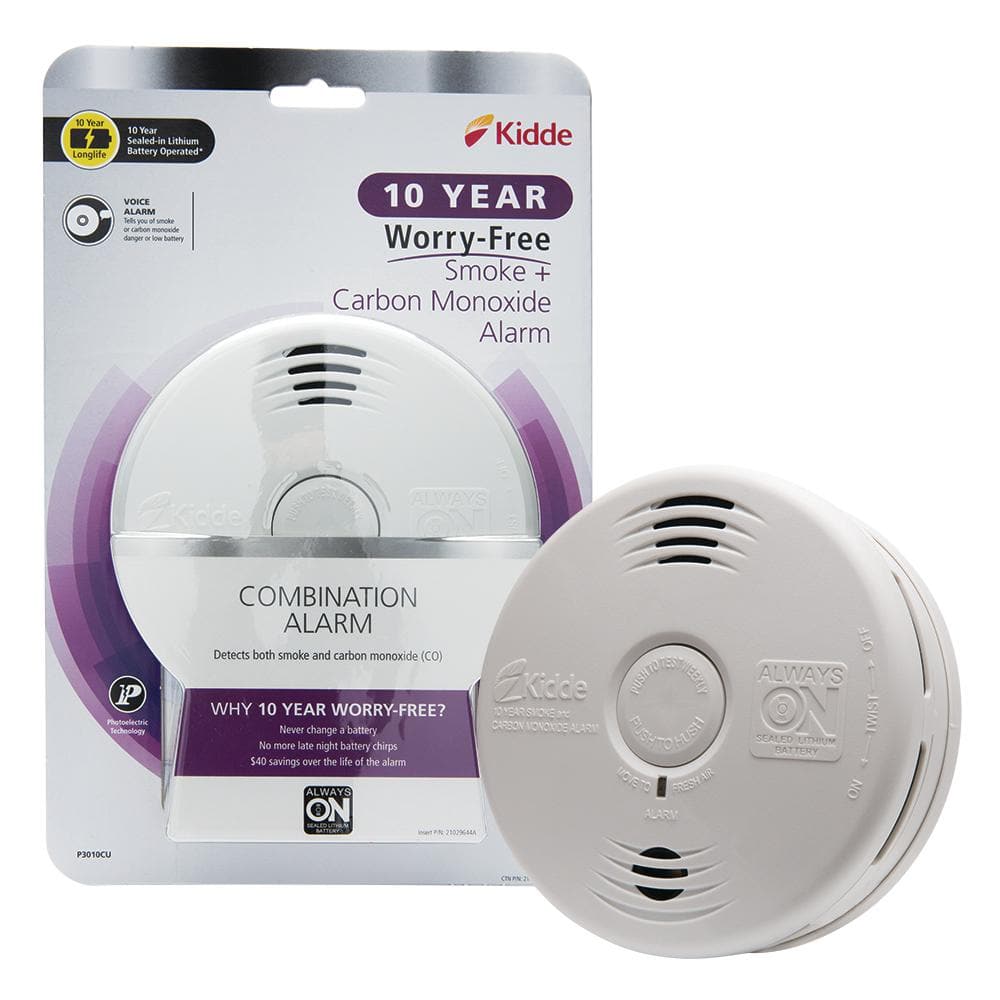
Think of it as adding an extra layer of self-care to your home. Just like you'd get regular check-ups or eat nutritious food, ensuring these devices are active and up-to-date is a small act with monumental benefits.
Your Quick Home Safety Checklist:
- ✓ Test all alarms monthly.
- ✓ Change batteries annually. (Hello, Daylight Saving Time!)
- ✓ Check and replace alarms according to their expiry dates. (Usually 5-7 years for CO, 10 years for smoke.)
- ✓ Have a family escape plan. Practice it!
In a world full of uncertainties, these little devices offer a profound sense of security. They allow us to truly relax, to be present in our homes, and to cherish the moments that matter. So, take a moment, glance up at those humble guardians on your walls and ceilings, and know that they're silently looking out for you. It's a small investment in safety that pays off in invaluable peace of mind, letting you live your best, most secure life, right where you belong.