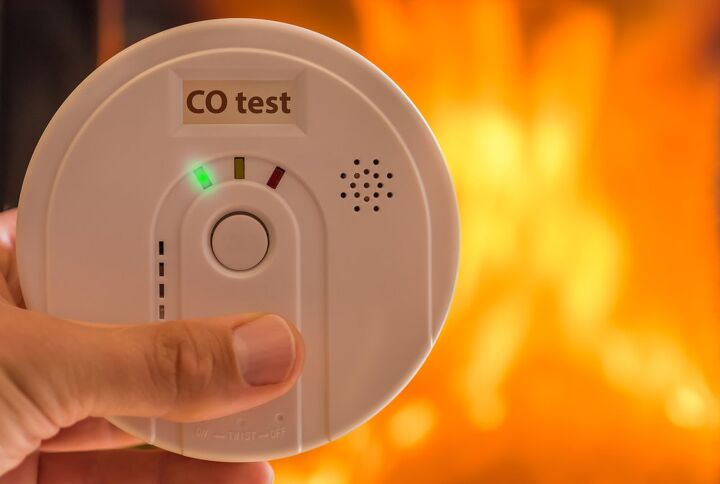
Carbon Monoxide Alarm Going Off In Rv
Picture this: You’re living the dream, RV rolling down the open road, or perhaps parked up at that serene lakeside spot you’ve been eyeing. The coffee’s brewing, the morning sun is hitting just right, and you're feeling utterly blissed out. Then, BEEP! BEEP! BEEP! Not your phone alarm, but a piercing, insistent wail that instantly shatters the peace. Your carbon monoxide alarm has just gone off.
Welcome to a moment that many RVers, including yours truly, have experienced. It’s that jolt of "what now?!" when your cozy mobile sanctuary suddenly feels a little less invincible. While it's certainly a heart-stopper, it's also a powerful reminder of how important these little sentinels are for our safety on the go.
The Silent Threat: What is Carbon Monoxide Anyway?
Let's get real for a sec. Carbon monoxide (CO) isn't something to mess around with. It’s the ultimate stealthy villain: a colorless, odorless, tasteless gas that can sneak up on you faster than a rogue squirrel stealing your campsite snacks. Produced whenever carbon-based fuels (like propane, natural gas, gasoline, wood, charcoal) are burned incompletely, it’s a byproduct of many things we rely on in an RV – your furnace, water heater, stove, and even that trusty generator.
Must Read
The danger lies in its ability to quickly replace oxygen in your bloodstream, leading to symptoms like headaches, dizziness, nausea, and in severe cases, unconsciousness and death. Think of it as your body slowly suffocating without you even realizing it. That’s why your CO alarm isn't just a gadget; it’s your personal, digital canary in a coal mine, and listening to it could literally save your life.
Why the Sudden Siren Song? Common RV Culprits
So, your alarm went off. Now what? First, don't panic (easier said than done, we know!). There are several common reasons why your RV's CO alarm might decide to throw a party:
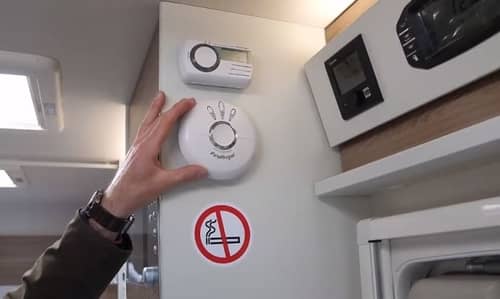
- Generator Exhaust: This is a big one. Running your generator, especially if it’s too close to your RV or if the wind shifts unexpectedly, can push exhaust fumes straight into your living space.
- Appliance Malfunctions: A furnace, water heater, or even a stove with a faulty burner can be producing CO. Regular maintenance is absolutely key here!
- Blocked Vents: Snow, debris, or even a pesky bird's nest can block appliance vents, causing CO to build up inside your RV instead of safely venting out.
- Engine Idling: If you're idling your RV engine for extended periods, especially with windows open, exhaust can drift in. Remember, even a gentle breeze can play tricks.
- Neighborly Nuisances: Sometimes, it's not even your RV! A nearby campfire, generator, or even a vehicle idling next to you can trigger your alarm. Our alarms are sensitive for a reason!
- The False Alarm: Yes, they happen! Dust build-up, an old sensor needing replacement, or even certain cleaning products can sometimes set it off. But never assume it's a false alarm without thoroughly checking first. Your safety is worth the caution.
Action Stations: What to Do When It Blares
When that alarm sounds, here’s your swift action plan – think of it as your RV's emergency protocol:
- Ventilate, Ventilate, Ventilate! Immediately open all windows and doors. Get that fresh air flowing through your RV as quickly as possible.
- Shut Down Appliances: Turn off anything that burns fuel – furnace, water heater, stove, oven, and generator. Disconnect propane tanks if it feels safe to do so.
- Evacuate: Get everyone (and pets!) out of the RV and into the fresh air. Safety first, always. Move a good distance away, breathing deeply.
- Assess Symptoms: Pay close attention to how you and your companions feel. Headaches, dizziness, nausea? If anyone has symptoms, seek medical attention immediately. Don't delay.
- Don't Re-enter Until Safe: Seriously, resist the urge. Wait for the alarm to stop and for the RV to be thoroughly aired out (at least 15-20 minutes). If you suspect a serious issue, have a professional RV technician check it out before you go back in.
Peace of Mind on Wheels: Prevention & Regular Check-ups
The best way to handle a CO alarm going off is to prevent it from happening in the first place! Here are a few savvy traveler tips for continuous peace of mind:

- Regular Maintenance: Have your RV's fuel-burning appliances inspected by a qualified technician annually. It's like a yearly health check for your mobile home, catching potential issues before they become emergencies.
- Test Your Alarms: Just like smoke detectors, hit that test button on your CO alarm regularly – monthly is ideal. Replace batteries as recommended, and note the sensor's expiration date (usually 5-7 years for the unit itself). A fun fact: older alarms can become less sensitive!
- Generator Smartly: Always operate your generator according to manufacturer instructions. Ensure it’s far enough away from your RV (often at least 15-20 feet) and that exhaust fumes are directed away from windows and vents. Never, ever run it in an enclosed space, even for a moment.
- Ventilation is Your Friend: When cooking or using any fuel-burning appliance, ensure adequate ventilation. That little fan above your stove isn't just for smells; it's a vital safety device. Crack a window!
- Be Aware of Your Surroundings: Pay attention to where you park, especially in relation to other RVs or vehicles running engines/generators. Good neighbor etiquette is also good safety practice!
From RV Road Trip to Daily Life: A Little Reflection
Having a carbon monoxide alarm go off in your RV is a stark, unforgettable reminder of the hidden dangers that can lurk in even our most cherished spaces. It teaches us the profound value of vigilance, the importance of trusting technology designed for our safety, and the absolute necessity of acting quickly and decisively when those alarms sound.
And isn't that a lesson we can carry beyond the open road? Whether it’s in our RVs or our brick-and-mortar homes, being proactive about safety, understanding potential risks, and regularly checking our protective devices isn't just about avoiding a scare; it's about safeguarding our well-being and ensuring peace of mind for ourselves and our loved ones. So here's to safe travels, clear air, and listening to those little beeps that keep us safe!