
Carbon Monoxide Alarm Chirping Every 30 Seconds
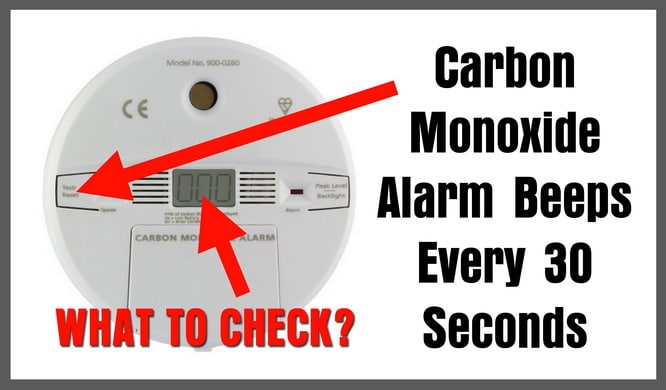
Ah, that familiar, rhythmic chirp. It slices through the morning calm, invades your late-night Netflix binge, or rudely awakens you from a perfectly good dream. Every 30 seconds, like a tiny, insistent clock marking time until you address it. You know the sound: it's your carbon monoxide (CO) alarm, and it's trying to tell you something important. But don't panic! More often than not, this little serenade isn't a sign of immediate danger, but rather a friendly, albeit annoying, heads-up.
The Persistent Chirp: What's It Really Saying?
Think of that 30-second chirp as your alarm's equivalent of a toddler tugging on your shirt sleeve. It's not a full-blown emergency siren (which would be much louder and more frequent, typically four beeps followed by a pause), but rather a low-level alert. The vast majority of the time, this specific pattern means one of two things:
- Low Battery: This is the most common culprit. Your alarm, much like your phone, needs juice to do its job. When its power supply is dwindling, it lets you know with that characteristic chirp.
- End-of-Life: Yes, even alarms have a shelf life! Most CO detectors are designed to last between 5 to 7 years. After this period, their sensors become less reliable, and they'll start chirping to tell you it's time for a replacement. It's like a little electronic retirement notice.
It’s important to distinguish this from the full-blown, ear-splitting alarm that signals the presence of carbon monoxide itself. That’s a very different, and much more urgent, sound.
Must Read
Carbon Monoxide: The Silent Threat We Can't See (or Smell!)
Before we dive into fixing that chirp, let's have a quick, important chat about why these little gadgets are so crucial. Carbon monoxide is often dubbed the "silent killer" for a chilling reason: it’s an invisible, odorless, and tasteless gas produced by the incomplete burning of fuels like gas, oil, wood, and coal. Common sources include furnaces, water heaters, fireplaces, gas stoves, and even car exhaust. It can build up in enclosed spaces, and because you can't detect it with your senses, a CO alarm is literally your lifesaver.
Exposure to CO can lead to flu-like symptoms, disorientation, and even death. It’s a sobering thought, but it underscores why a chirping alarm, no matter how irritating, is a reminder of good protection.

Your Action Plan: Silencing the Serenade
Okay, enough with the dramatics! Let's get that chirp to peace out. Here’s your simple step-by-step guide:
1. Check the Battery First
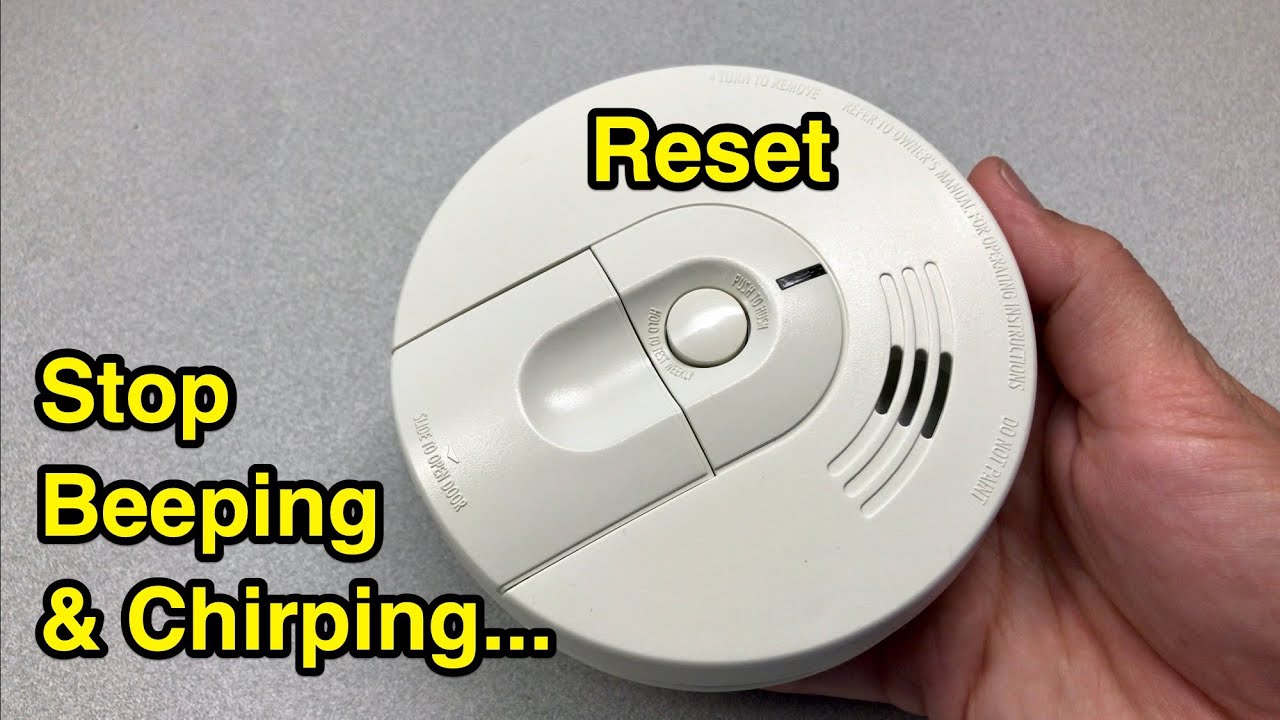
This is usually the easiest fix. Most CO alarms use AA, AAA, or 9-volt batteries. Gently twist or unclip your alarm from its base (check your manual if you're unsure – it's often a simple twist counter-clockwise). Pop out the old battery, wait 10-15 seconds for the alarm to completely drain any residual power (this can sometimes reset it), and then insert a fresh, high-quality battery. Push the test button to ensure it's working.
Pro Tip: Make it a habit to change your CO alarm batteries when you change your clocks for Daylight Saving Time. It's an easy way to remember!
2. Check the Expiry Date
Flip your alarm over. Somewhere on the back or side, you should see a "Replace By" or "Do Not Use After" date. If your alarm has passed this date, it's time for a new one, even if you just changed the battery. Much like your favorite pair of sneakers, they simply wear out over time. Don't try to extend its life; a faulty alarm is no alarm at all.
3. Still Chirping? It's Time for a Replacement.
If you've replaced the battery and the alarm is still chirping, or if it's past its expiry date, then it's definitely time to invest in a new unit. They're readily available at hardware stores and online. Consider upgrading to a model with a 10-year sealed battery, which means no more battery changes for a decade!

4. What If It's a Full Alarm?
If your alarm is blaring the loud, continuous, four-beep-and-pause pattern, that's a different story. Do not ignore it. Immediately get everyone (including pets) out of the house. Call your local fire department or emergency services from a safe location. They can investigate the source and ensure your home is safe to re-enter. It’s always better to be safe than sorry.
Where Should They Live?
While we're on the topic, a quick reminder on placement: Install CO alarms on every level of your home, especially outside sleeping areas and near fuel-burning appliances. Avoid placing them too close to humid areas like bathrooms, or near vents where air currents might dilute the sample.
Peace of Mind, One Chirp at a Time
That annoying chirp might feel like a minor inconvenience, but it's a testament to the fact that you've got a diligent guardian watching over your home. Addressing it promptly isn't just about silencing a nuisance; it's about ensuring the safety of everyone under your roof. It's a small task that brings a huge wave of relief and peace of mind, allowing you to go back to your Netflix, your dreams, or your morning coffee, knowing your silent protector is ready for anything. And that, my friends, is a truly easy-going way to live.
