Carbon Dioxide Detector Vs Carbon Monoxide Detector
Ever walked into a room and felt… off? Maybe a little sleepy, a bit stuffy, or just generally not quite right? Our homes and workspaces are filled with invisible gases, some of which are perfectly harmless, and others that demand our attention for safety and comfort. This is where the magic of modern detection comes in, bringing a little peace of mind and a lot of smarts to your indoor environment. But wait, not all detectors are created equal! Today, we're diving into the curious case of the Carbon Monoxide Detector versus the Carbon Dioxide Detector – two often-confused guardians of your air quality, each with a crucial, yet distinct, mission.
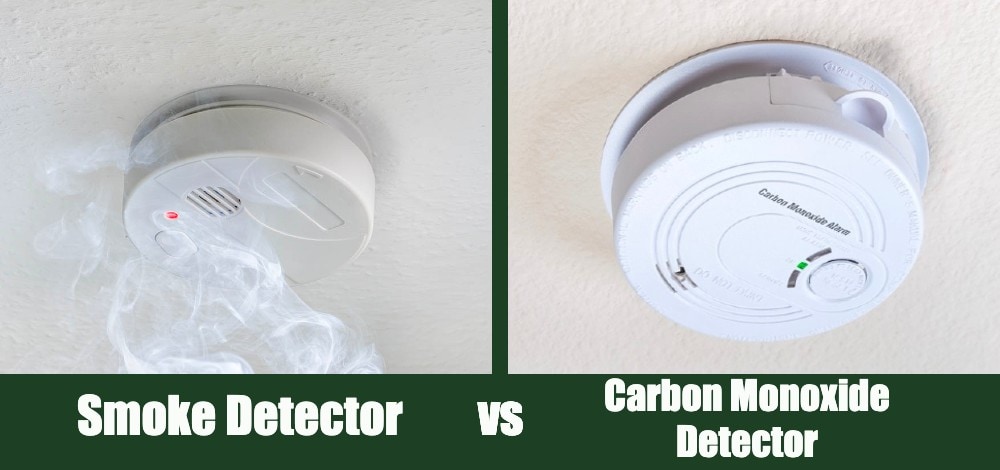
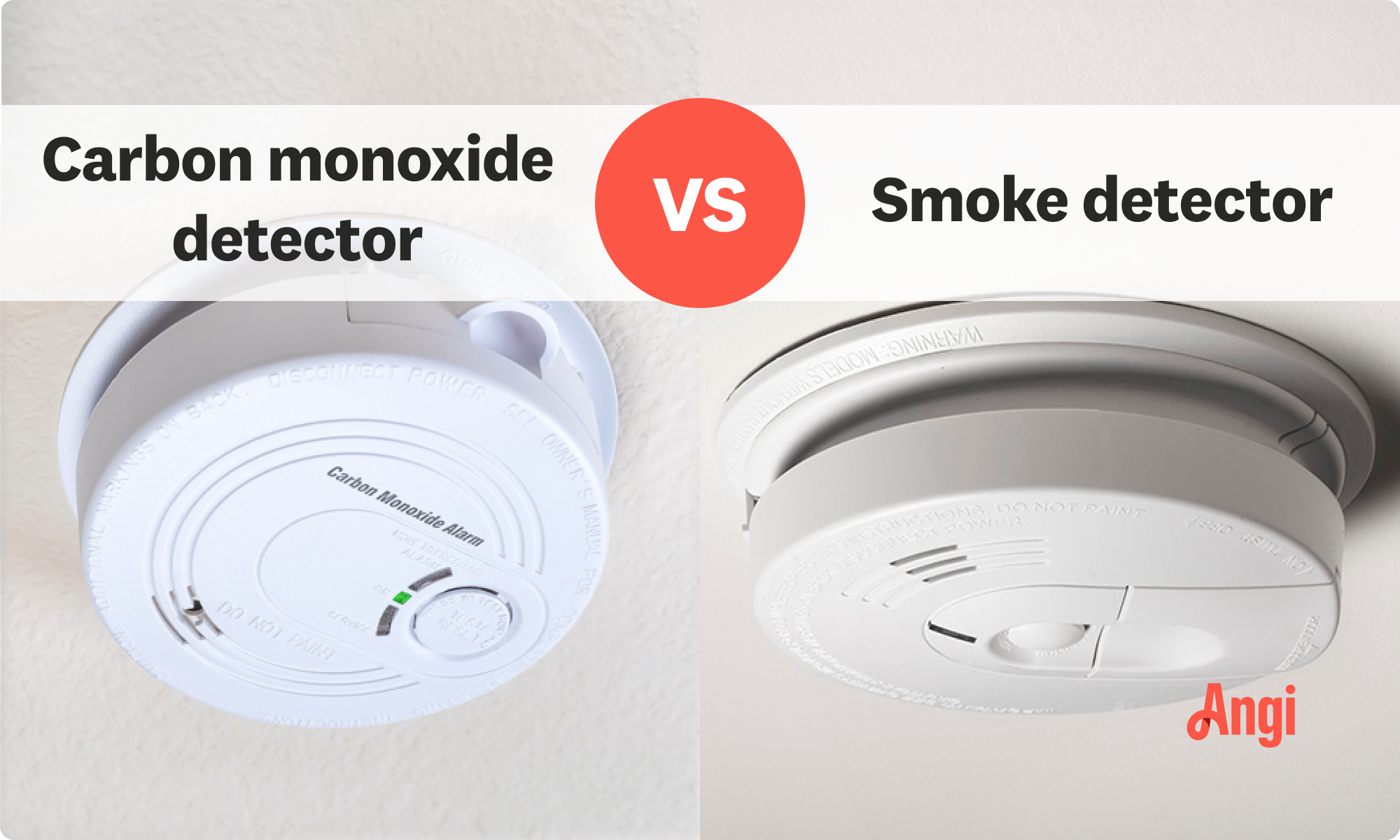
First up, let's talk about the big one: the Carbon Monoxide (CO) Detector. Think of CO as the ultimate sneaky villain. It’s an odorless, colorless, tasteless gas, making it truly impossible for our senses to detect. This "silent killer" is a byproduct of incomplete combustion from things like faulty furnaces, gas water heaters, wood-burning stoves, fireplaces, and even car exhaust from an attached garage. When CO enters your bloodstream, it prevents oxygen from reaching your organs, leading to symptoms like headaches, dizziness, nausea, and in severe cases, unconsciousness, brain damage, and even death. The purpose of a CO detector is nothing short of life-saving. It constantly monitors for dangerous levels of this gas, letting out a piercing alarm if it detects a threat. Having one installed near sleeping areas and on every level of your home is not just a good idea; it’s a critical safety measure that can literally save your life and the lives of your loved ones.
Now, let's pivot to its equally important, but very different, cousin: the Carbon Dioxide (CO2) Detector. Unlike CO, CO2 isn't usually an immediate deadly threat at typical indoor concentrations, but it's a fantastic indicator of your indoor air quality and ventilation. We produce CO2 constantly simply by breathing! Other sources include burning fossil fuels (though less of a concern for home safety than CO), and even fermentation. When CO2 levels get too high, often in poorly ventilated rooms, you might start feeling drowsy, sluggish, have trouble concentrating, or develop headaches. This is why you often feel tired in a stuffy meeting room or a crowded classroom. The purpose of a CO2 detector is to help you maintain optimal indoor conditions, alerting you when the air is getting stale and needs to be refreshed. It’s about comfort, productivity, and general well-being, signaling when it's time to open a window or crank up the ventilation system. It’s your personal air quality coach, ensuring you’re breathing fresh, invigorated air.
Must Read
So, what's the big takeaway? While both involve "carbon" and are about gas detection, their roles are distinct. A Carbon Monoxide Detector is for safety against a deadly toxin, providing a critical early warning. A Carbon Dioxide Detector is for air quality and comfort, helping you optimize your living and working environment. You absolutely need a CO detector for safety. Adding a CO2 detector is a smart move for improving your daily comfort and productivity. Understanding the difference means you can breathe easier, knowing your invisible guardians are working hard to keep you safe and comfortable!