
Can You Weld Steel To Cast Iron

Alright, settle in, grab your imaginary coffee (or actual coffee, I'm not judging), because we're diving into one of those questions that makes seasoned welders either chuckle knowingly or slowly back away: Can you weld steel to cast iron?
It sounds like a setup for a bad joke, right? Like asking if a cat and a dog can hold hands and skip through a meadow without one trying to eat the other. Or if pineapple belongs on pizza (a debate for another time, perhaps).
For decades, welding steel to cast iron has been considered a bit of a dark art, a whispered legend, or just plain bonkers. But before you write it off as pure madness, let's explore the metallurgical tango between these two very different beasts.
Must Read
The Unlikely Duo: Steel Meets Cast Iron
Imagine your metals having personalities. Steel, particularly mild steel, is like the versatile, adaptable teenager. It's relatively flexible, strong, and generally pretty chill. It bends, it stretches, it takes heat well.
Now, cast iron? Oh boy. Cast iron is the grumpy, brittle old man of the metal world. It's got a high carbon content (like, 2-4%!), which makes it incredibly hard, but also incredibly… well, brittle. Think of dropping a ceramic mug versus a stainless steel one. That's your cast iron versus steel.
Cast iron is rigid, doesn't like to bend, and absolutely despises sudden temperature changes. It expands and contracts at a different rate than steel, too. Trying to fuse them together is like trying to make two people with wildly different sleep schedules happily share a single bed. One's always too hot, the other's too cold, and eventually, something's going to crack under the pressure.
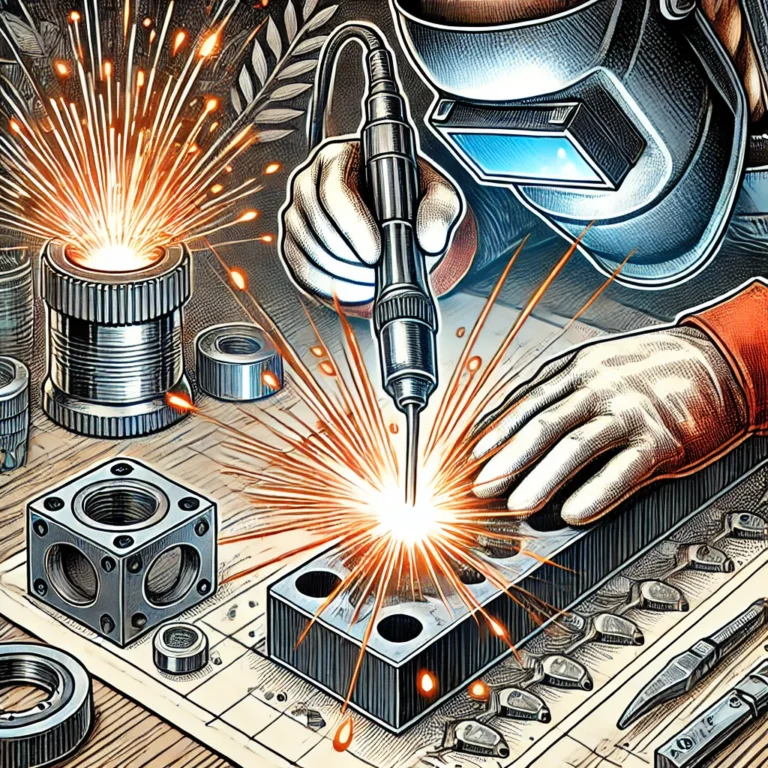
So, Can You Actually Do It?
Drumroll, please...
YES! You absolutely can weld steel to cast iron. But here’s the kicker: it’s less like a casual handshake and more like a carefully choreographed, high-stakes ballet with fire. It requires patience, skill, the right materials, and possibly a small offering to the welding gods.
It's not a beginner's project, folks. It's the kind of job that separates the "I can stick two pieces of metal together" crowd from the "I am a true metal whisperer" wizards.

The Secret Sauce (or, How Not to Make a Mess)
If you're going to attempt this feat of metallurgical wizardry, here's the lowdown, served with a side of caution:
First up, cleanliness is next to godliness. And in welding, it’s even more important. Get rid of all the rust, grease, paint, and general gunk. A wire brush and grinder are your best friends here. You want pristine metal for your join.
Next, and this is crucial: pre-heat, pre-heat, pre-heat! Remember how cast iron hates sudden temperature changes? You need to warm it up gently, like coaxing a stubborn cat out from under the bed. Get that cast iron piece up to a balmy 400-600°F (about 200-300°C). This helps minimize thermal shock, which is basically cast iron's arch-nemesis.
Then comes your chosen weapon: the filler rod. You can’t just use any old steel rod. Oh no. For this delicate operation, you need specialized nickel-based rods. Think of them as the ultimate peacekeepers, the diplomatic glue that can bridge the carbon gap between steel and cast iron. Often you’ll hear welders talk about "Nickel 99" or "Nickel 55" – these are your go-to guys.

Now for the actual welding: short, controlled beads. Don't try to lay down a long, continuous weld like you're building a battleship. That's a recipe for disaster. Think short stitches, skip around, and let each little weld cool slightly before the next. This minimizes heat input and stress. It’s a marathon, not a sprint!
And finally, perhaps the most overlooked step: slow cooling. Once you're done, don't just toss your masterpiece into a bucket of water. That's asking for immediate cracks and tears. Cast iron needs to cool down gradually. You can wrap it in an insulating blanket, bury it in dry sand, or even use a special oven to slowly bring down the temperature over hours. This slow cooling allows the stresses to dissipate, preventing that catastrophic PING! sound of a fresh crack forming.
When Would You Even Try This Sorcery?
So, why go through all this trouble? Why not just get a new part?

Well, sometimes you can't. Think about repairing a cracked antique engine block, a vintage machine part, or a custom fabrication where cast iron components need to integrate with steel structures. Replacing a unique or historical cast iron piece can be impossible or prohibitively expensive.
And sometimes, frankly, it's just for the sheer satisfaction. The joy of taking two notoriously difficult materials and successfully joining them is a feeling of triumph worthy of a celebratory (imaginary) high-five.
The Verdict: A Welder's White Whale?
So, can you weld steel to cast iron? Yes, you absolutely can! But it’s not for the faint of heart, the impatient, or those without a good understanding of metallurgy (or at least, a good instructor). It’s a challenge that demands respect, meticulous preparation, and a healthy dose of finesse.
It’s proof that with enough ingenuity, the right tools, and a sprinkle of magic, even the most stubborn and seemingly incompatible materials can be persuaded to become one. Just remember: practice, safety, and maybe keep a fire extinguisher handy. You know, just in case that grumpy old cast iron decides to throw a tantrum after all!