Can You Sublimate On 60 Cotton 40 Polyester

Okay, let's talk about sublimation! You know, that super cool printing process where designs become one with the fabric? It's like magic! But sometimes, that magic gets a little… finicky. Especially when we start throwing different fabric blends into the mix. Today, we're tackling the big question: Can you sublimate on 60% cotton and 40% polyester?
The short, maybe slightly disappointing, but ultimately honest answer is: Not really, not well.
Why the Fuss About Fabric?
Think of sublimation like this: It's like baking a cake. You need the right ingredients in the right proportions to get that perfect, fluffy, delicious result. If you swap out flour for, say, sand (eww!), you're not going to get a cake. You're going to get… a sandy mess. Fabrics are the "ingredients" for sublimation, and polyester is our key player.
Must Read
Sublimation ink is special. It's designed to bind directly to polyester fibers. When heated, the ink turns into a gas and permanently dyes the polyester. This is why sublimated designs are so vibrant and durable – they're actually in the fabric, not just sitting on top. It’s like dyeing your hair – the color penetrates the strands, it's not just painted on.
Cotton, on the other hand, is a bit of a rebel. It's a natural fiber and doesn't play nicely with sublimation ink. The ink will sit on the surface, but it won't bond permanently. Imagine trying to stick glitter to a freshly-baked, hot cookie - it might stick a little, but most of it will fall right off! That's kind of what happens with sublimation on cotton.
The 60/40 Dilemma
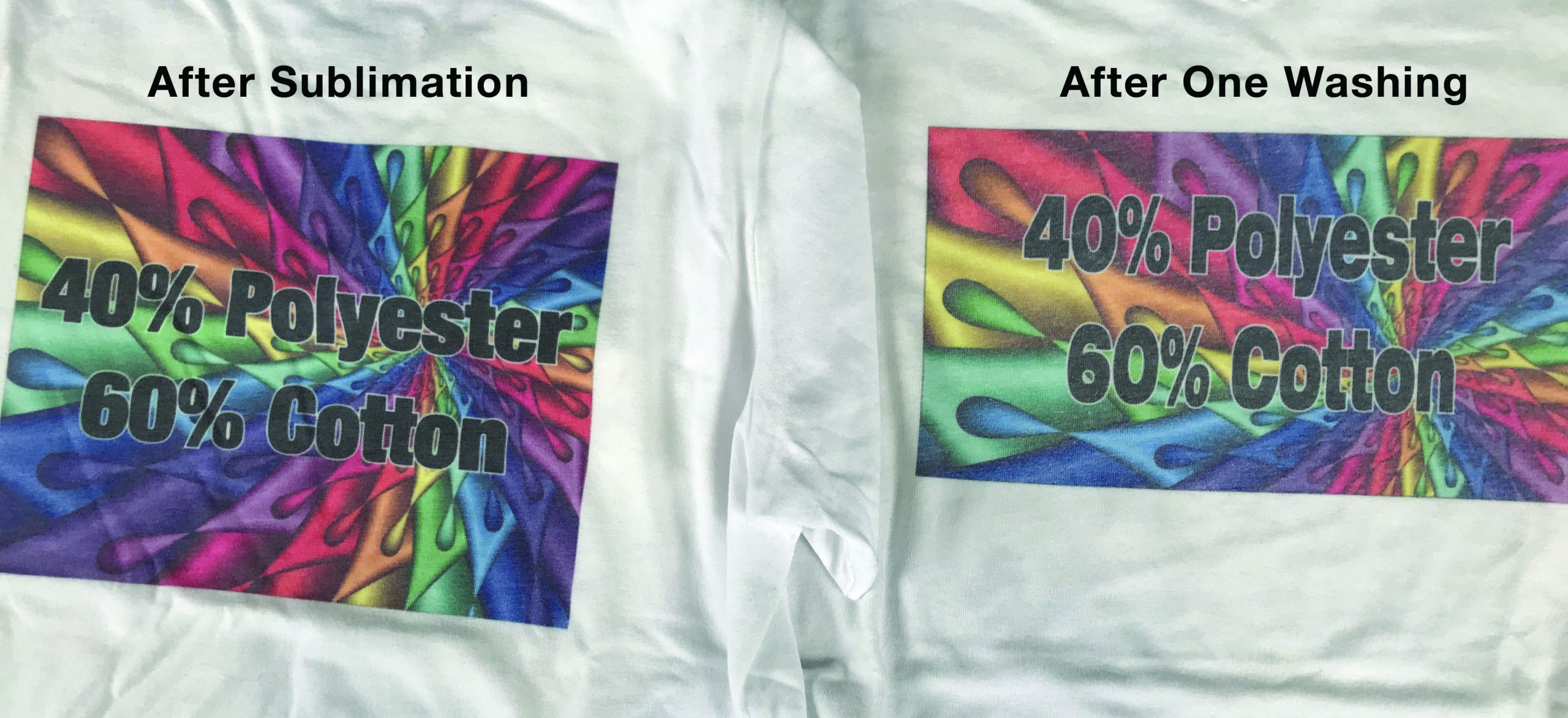
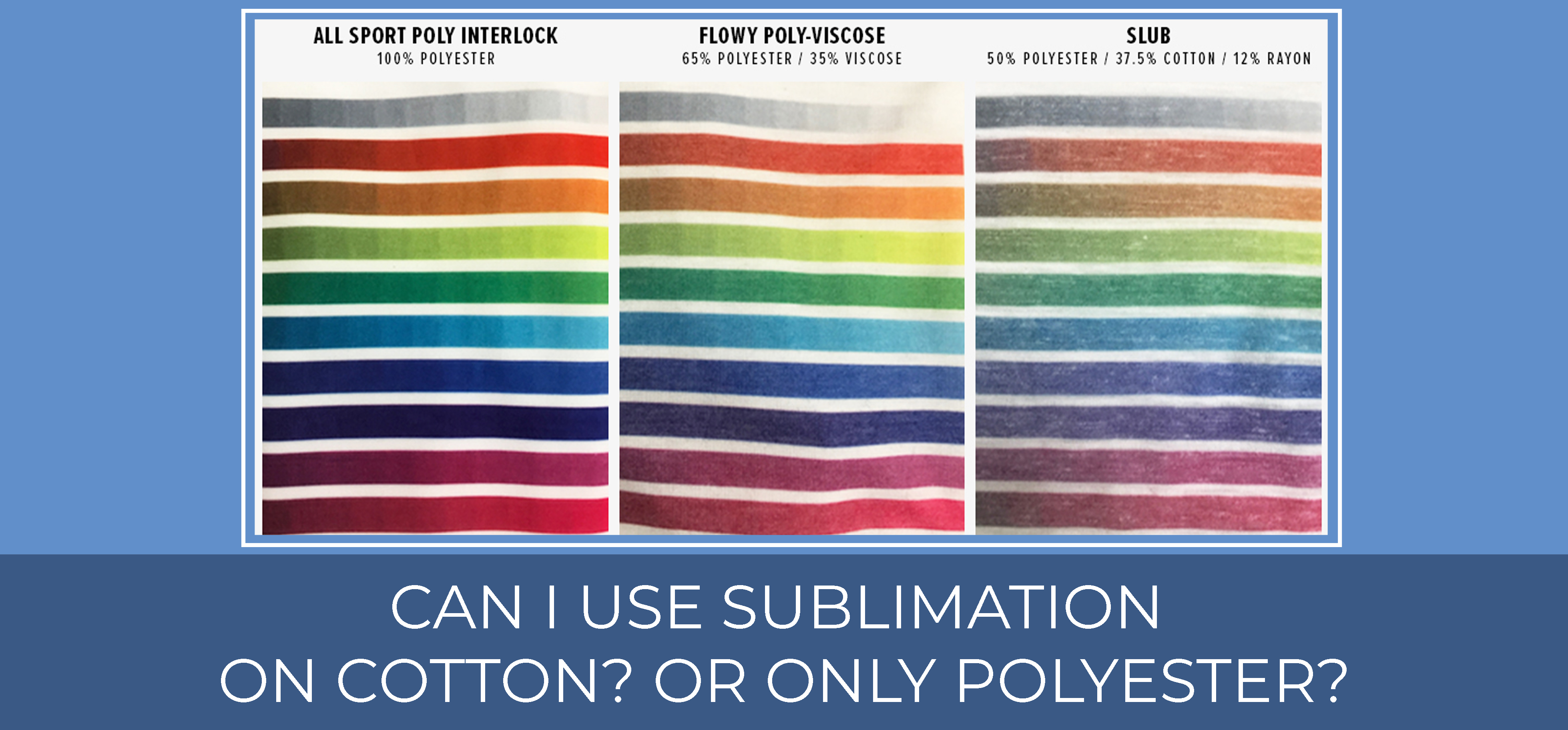
So, what about our 60/40 cotton/poly blend? Well, with only 40% polyester, you're simply not giving the sublimation ink enough "to hold on to." The design will likely look faded, washed out, and won't be nearly as durable. Think of it like trying to paint a fence with barely enough paint – you might cover some spots, but it'll look patchy and uneven.
Let's say you're making custom t-shirts for a family reunion. You find some cute 60/40 shirts on sale, thinking you're getting a great deal. You sublimate your family's smiling faces onto them. After just a few washes, those smiling faces start to fade and crack. 🙁 You end up with disappointed relatives and a pile of useless t-shirts.

Why Should You Care?
You might be thinking, "Okay, so it's not ideal. But will anyone really notice?" The truth is, yes, they will. A poorly sublimated design will:
- Look dull and lifeless.
- Fade quickly after washing.
- Lack the crispness and vibrancy of a properly sublimated design.
- Feel rough and scratchy (because the ink is just sitting on the surface).
In short, it's not going to give you that professional, high-quality result you're probably aiming for. It's the difference between serving a gourmet meal and microwaving a frozen dinner. Both will fill you up, but one is clearly a more enjoyable experience.
So, What Are Your Options?
Don't despair! There are ways to work around the cotton issue. Here are a few alternatives:
- Stick with High Polyester Content: Aim for fabrics that are at least 65% polyester, but ideally 100% for the best results. Think of those super comfy, sporty athletic shirts – they're usually 100% poly and perfect for sublimation.
- Use Sublimation Coating Sprays: These sprays create a polyester-like layer on top of the cotton, allowing the sublimation ink to bind. However, results can be inconsistent, and durability may still be an issue.
- Try Heat Transfer Vinyl (HTV): HTV is a great alternative for cotton and cotton blends. It's a different process that involves cutting a design from vinyl and heat-pressing it onto the fabric. It's durable and works well on a variety of materials.
- Embrace the Faded Look (Carefully!): Some designers intentionally sublimate on lower polyester blends to achieve a vintage, faded aesthetic. If that's your goal, go for it! Just be aware of the limitations and manage your expectations.
Ultimately, choosing the right fabric is crucial for successful sublimation. Save yourself the headache (and wasted materials!) and opt for high-polyester content fabrics whenever possible. Your designs will thank you, and your customers (or family members!) will be much happier.
Think of it this way: you wouldn't try to build a sturdy house out of cardboard, would you? Same principle applies here. Use the right "building materials" and watch your sublimation dreams come to life!