Can You Put Flour On A Grease Fire
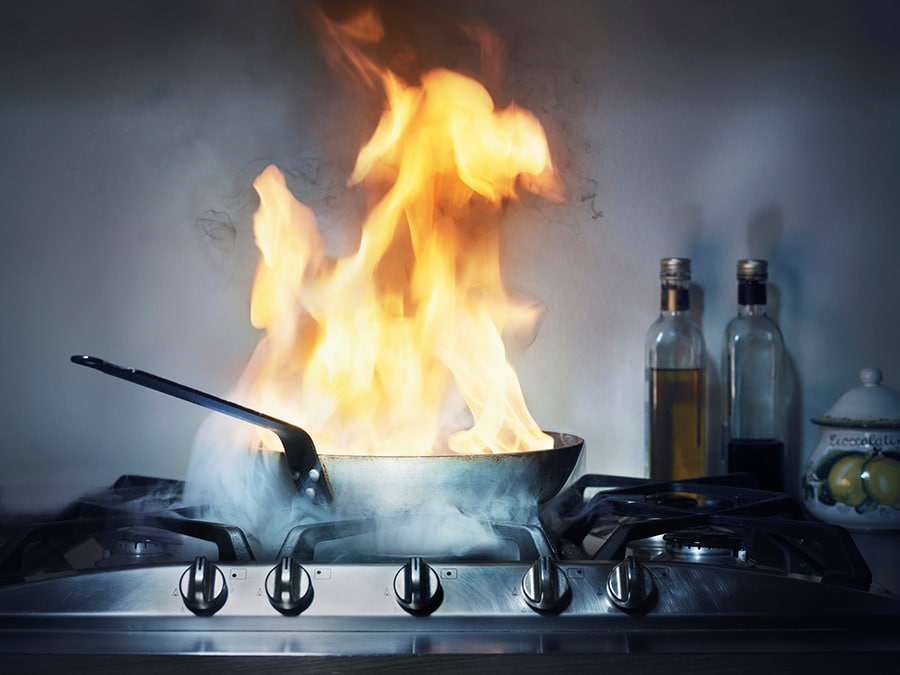
Picture this: You're whipping up your famous late-night grilled cheese. Butter's melted, bread's golden-brown... then whoosh – a rogue splash of oil turns your happy culinary moment into a miniature inferno. Panic sets in. Your brain scrambles through every action movie scene you've ever witnessed. Can you just grab that bag of flour nearby and douse the flames like some kind of kitchen cowboy?
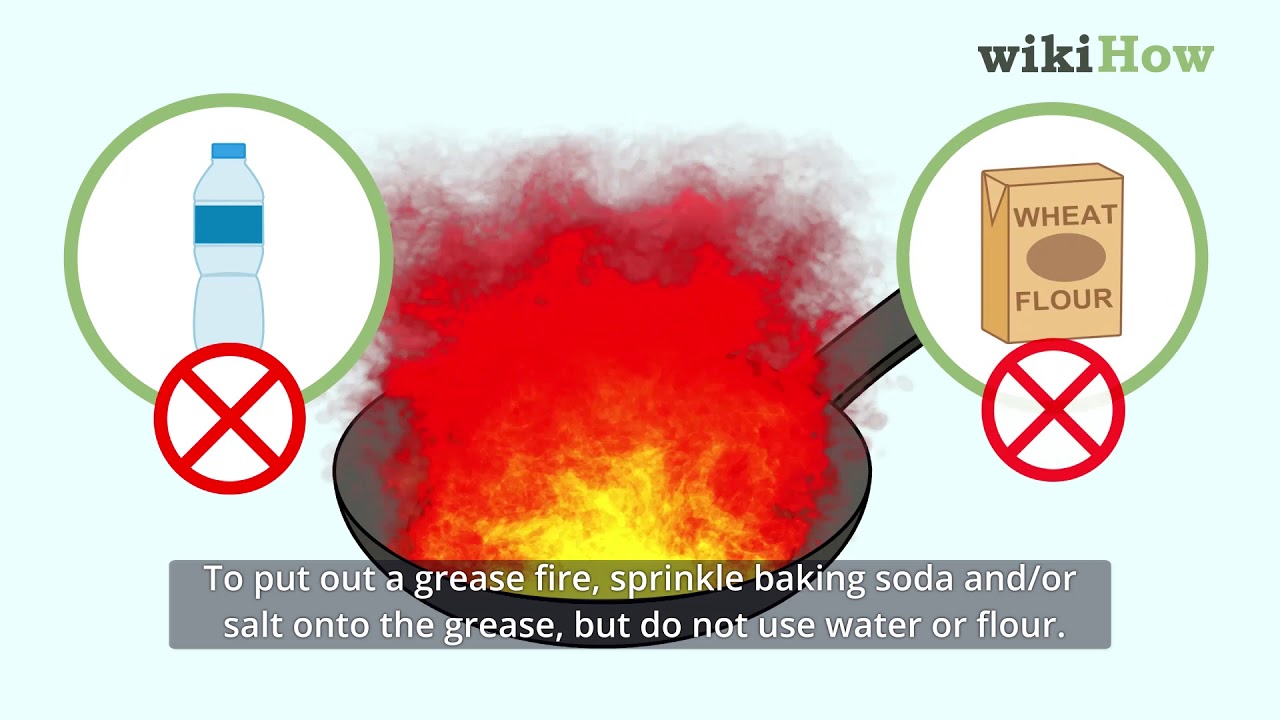
Let's get one thing straight: No, you should NOT put flour on a grease fire. I repeat, do not do it. Think of it like this: water and oil don't mix, and neither do flour and fire. It seems counterintuitive, right? White powder extinguishing things is ingrained in our minds. Fire extinguishers, baking soda volcanoes… but flour is a different beast.
Why Flour is a Fire Hazard
Flour is, essentially, finely ground organic material. It's combustible. Throwing it onto a grease fire won't smother the flames; it'll fuel them. Imagine throwing sawdust onto a bonfire – same principle! You'll likely end up with a significantly bigger, potentially explosive, and far more dangerous situation. Think of it as a mini version of the Great Chicago Fire, only instead of Mrs. O'Leary's cow, it's your overzealous attempt to make midnight snacks.
Must Read
The science is simple: Flour particles are so fine that they disperse easily in the air, creating a dust cloud. When that dust cloud meets the flames, it can ignite rapidly, causing a flash fire or even a small explosion. It's the same principle that makes grain silos so susceptible to devastating explosions.
So, What Should You Do?
Okay, so flour is off the table. But what are the actual, reliable methods for taming a grease fire? Here are a few tried-and-true options:

- Turn Off the Heat: This is your first and most crucial step. Remove the heat source to stop the fire from getting worse.
- Smother It With a Lid: Carefully slide a lid over the pan to cut off the oxygen supply. Make sure the lid completely covers the pan. Leave it on until the pan has cooled down completely – resist the urge to peek!
- Baking Soda: If the fire is small, a generous amount of baking soda can smother it. Remember, we're talking about baking soda, not baking powder (which contains acids and won't work as effectively). Think of it as your kitchen's trusty fire suppressant.
- Salt: Similar to baking soda, salt can also help smother a small grease fire. Again, use a generous amount to cut off the oxygen.
- Fire Extinguisher: If the fire is large or spreading, don't hesitate to use a Class B fire extinguisher. These are specifically designed for flammable liquid fires.
Important safety tip: Never, ever use water on a grease fire. Remember that oil-and-water aversion we talked about earlier? Water will cause the grease to splatter, spreading the fire and potentially causing serious burns.
Prevention is Key (and Makes Life Easier!)
The best way to deal with a grease fire is to prevent it from happening in the first place. Here are a few simple preventative measures:

- Keep a close eye on what you're cooking. Don't leave hot oil unattended.
- Use the right amount of oil for your cooking. Overfilling the pan increases the risk of splattering.
- Ensure your cooking equipment is clean and in good condition.
- Keep a fire extinguisher readily available in your kitchen.
Consider taking a basic fire safety course. It's a worthwhile investment in your safety and can give you the confidence to handle emergencies effectively. It's like knowing the Heimlich maneuver – hopefully you'll never need it, but you'll be grateful you learned it if you do.
Fun Fact: The National Fire Protection Association (NFPA) estimates that cooking is the leading cause of home fires in the United States. So, a little bit of kitchen safety knowledge can go a long way!
Food for Thought
In the grand scheme of things, kitchen mishaps like small grease fires are manageable. But the fear and potential danger they represent can be a powerful reminder: a little preparation and knowledge can make all the difference. Just like having the right ingredients for a recipe, having the right tools and information can help you navigate life's unexpected challenges, both in and out of the kitchen. So, the next time you're cooking up a storm, remember: lid, baking soda, and definitely no flour near the flames!