
Can You Have Carbon Monoxide In An All Electric House
Alright, let's talk about something that might have you scratching your head: carbon monoxide (CO) in an all-electric house. You’d think, no gas lines, no combustion, no problem, right? Well, grab your favorite mug, settle in, because we're about to bust a common myth and sprinkle in some good old-fashioned peace of mind.
The rise of the all-electric home is fantastic! From induction cooktops that make Gordon Ramsay proud to heat pumps that keep you cozy without a lick of fossil fuel, it’s all about efficiency and often, a greener footprint. But here’s the kicker: an all-electric house is not inherently immune to carbon monoxide. Yes, you read that right. It’s a bit like thinking your super-secure smart home means you can leave your front door wide open – not quite!
So, Where Does CO Sneak In?
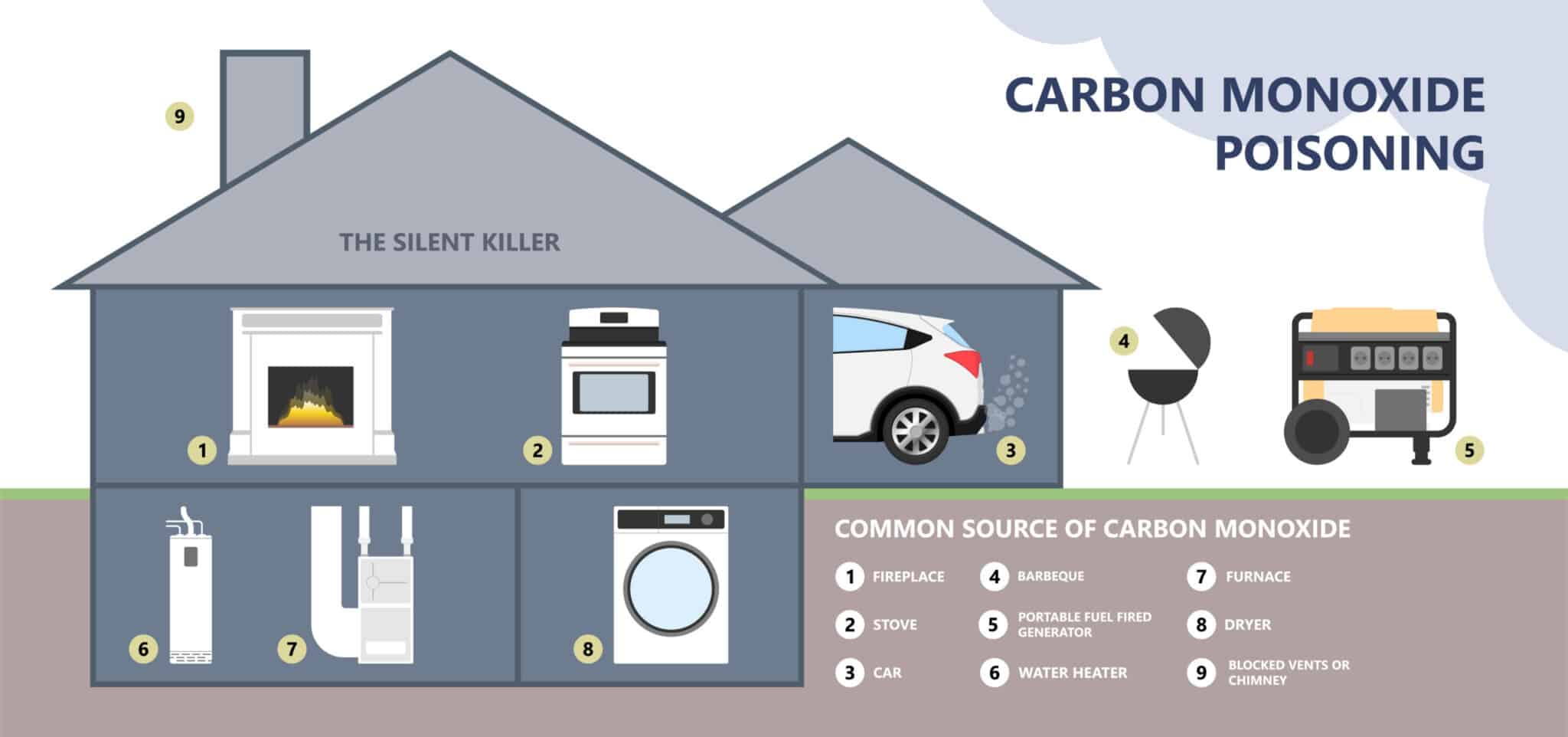
Carbon monoxide is the sneaky byproduct of incomplete combustion. While your electric oven or dryer won't produce it, other things in and around your home certainly can. Think of it as that uninvited guest who just shows up because someone else let them in.
Must Read
The Attached Garage: This is arguably the biggest culprit. Cars, motorcycles, lawnmowers, snow blowers, power washers, generators – anything with a gas engine needs to be treated with respect. Running a car for "just a minute" to warm it up, even with the garage door open, can allow CO to seep into your living space through shared walls, vents, or open doors.
Portable Generators: Power outage? We've all been there. But running a portable generator too close to your house, or heaven forbid, inside (even in the garage), is an absolute no-go. These lifesavers during a blackout can turn deadly if their exhaust fumes find their way indoors.
Fossil Fuel Appliances in Disguise: Maybe your "all-electric" home still has a gas fireplace log set you forgot about, or a gas-powered water heater or furnace that was overlooked in the "all-electric" label. Even an old, unvented kerosene or propane heater brought in during a cold snap can be a significant source.
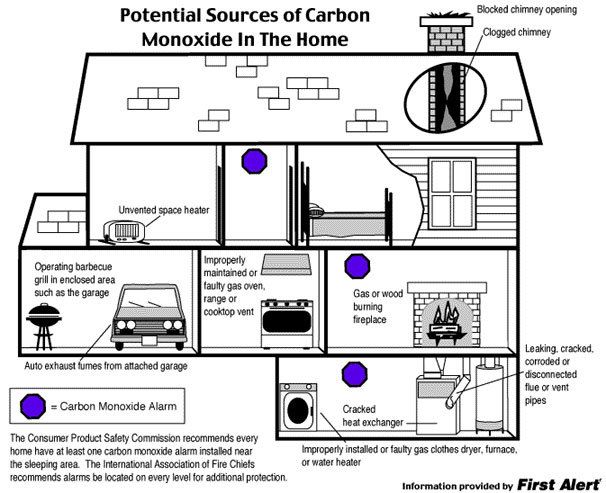
Grilling and Outdoor Heaters: Love your BBQ? Me too! But using charcoal grills, propane grills, or even those lovely patio heaters too close to open windows, doors, or under an overhang that traps fumes, can invite CO into your home. Think of that delicious smoky aroma as a potential Trojan horse.
Flues and Vents: If your home has a fireplace (even wood-burning) or any appliance with a flue, a blockage (like a bird's nest or debris) can cause fumes to back up and spill into your home.
Neighbors' Woes: Yep, even your neighbor's malfunctioning furnace or generator can be a problem if you live in close proximity and air currents are just right. CO doesn't respect property lines!
The Silent Threat: Why Awareness Matters
Carbon monoxide is often called the "silent killer" for a reason. It's colorless, odorless, and tasteless. Its symptoms are insidious, often mimicking the flu: headache, dizziness, nausea, fatigue. You might just feel "off" and attribute it to a stressful week or a bad meal, while your body is slowly being starved of oxygen.
Fun fact: CO binds to the hemoglobin in your blood about 200-250 times more readily than oxygen, essentially hijacking your red blood cells and preventing them from doing their job.
Your Best Defense: Practical Tips
Don't fret! Staying safe is surprisingly simple and effective.

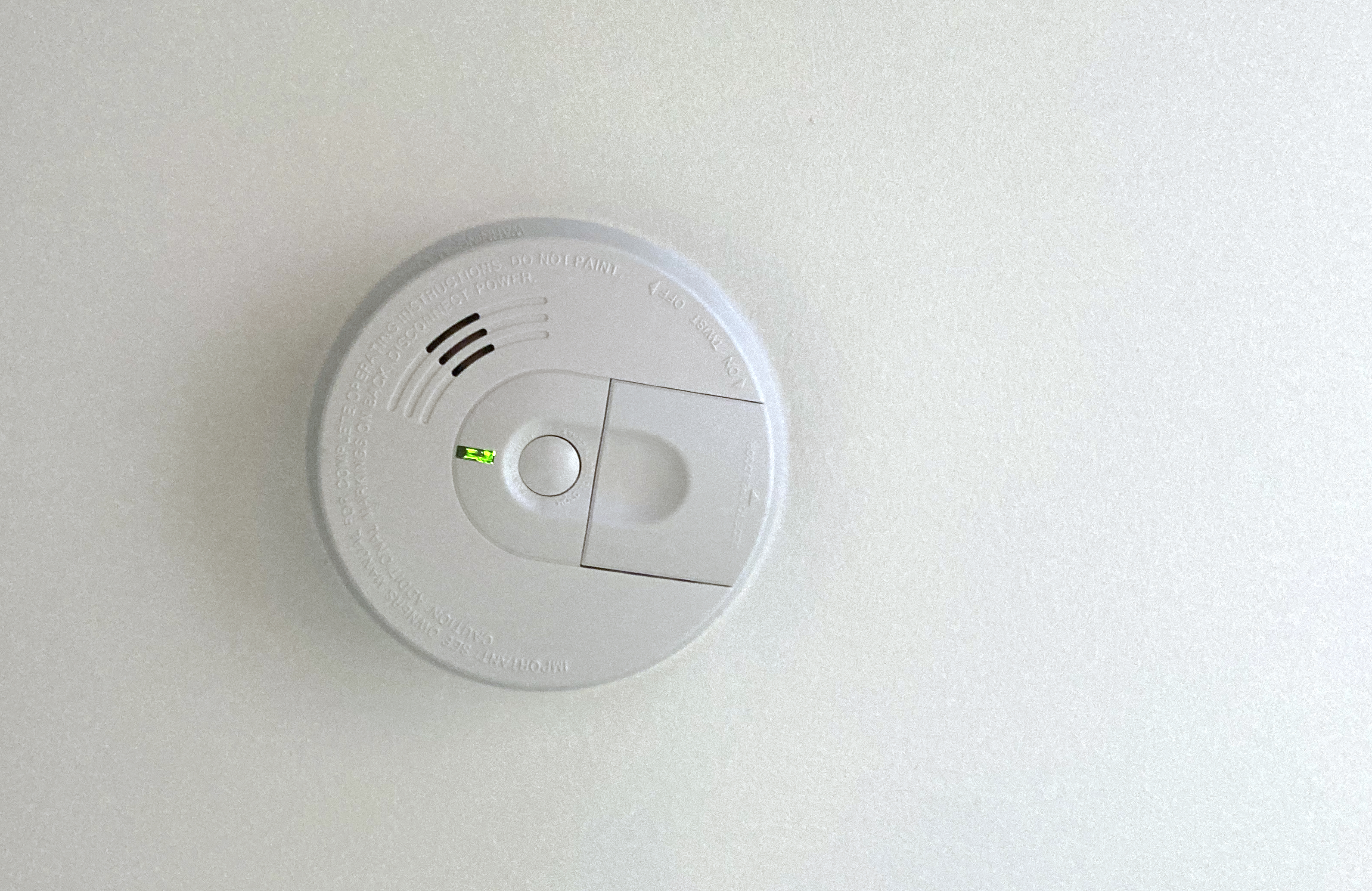
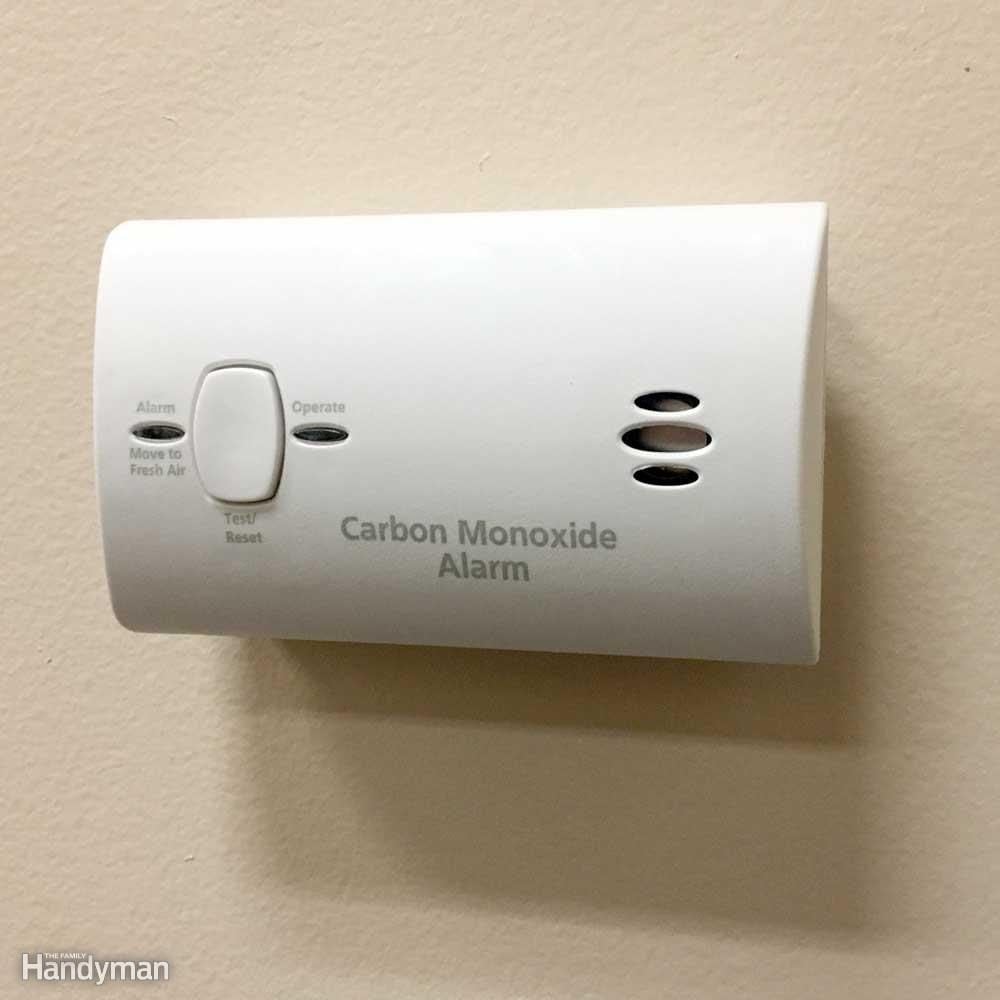
1. Install CO Detectors: This is your absolute MVP. Treat them like smoke detectors – they're essential. Install them on every level of your home, especially near sleeping areas. Battery-operated or hardwired with battery backup, just make sure they're there. Think of them as your home's vigilant nose, always on guard.
2. Read the Manuals: Seriously. For generators, grills, and any other fuel-burning appliance, always follow manufacturer instructions for safe operation. "Outdoor use only" means outdoor use only!
3. Ventilate, Ventilate, Ventilate: If you use any combustion appliance, ensure proper ventilation. Never run a car in an attached garage, even with the door open.
4. Regular Maintenance: If you do have a fireplace or a gas water heater/furnace (even if you thought your house was "all-electric"), get them serviced annually by a qualified professional. They’ll check for blockages and proper venting.
5. Know the Symptoms: Educate everyone in your household about the signs of CO poisoning. If you suspect it, get everyone (and pets!) outside immediately and call 911.
In the grand tapestry of modern living, where we strive for convenience, sustainability, and comfort, it's easy to overlook these fundamental safety measures. But understanding that carbon monoxide can indeed pose a threat, even in your sparkling all-electric abode, isn't about fear-mongering; it's about empowerment. It's about knowing you've taken simple, smart steps to protect your loved ones.
So go ahead, enjoy that perfectly cooked meal on your induction stove, revel in the quiet efficiency of your heat pump, but do so with the peace of mind that comes from knowing you've got your CO detectors standing guard. Because a truly modern home is a safe one, every single day.