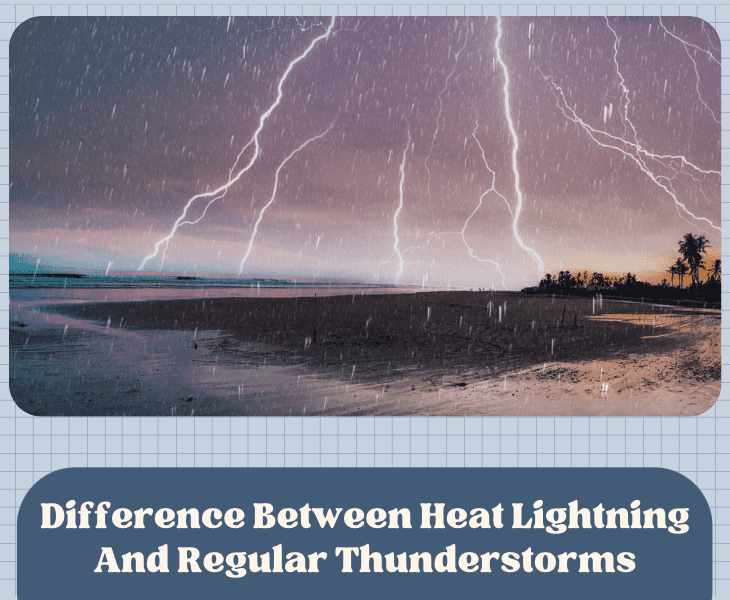
Ah, the magical summer night! You’re probably sprawled on your porch swing, sipping something cold, when suddenly—flash!—a silent spark illuminates the distant horizon. No rumble of thunder, no dramatic downpour, just that ethereal glow. Your grandma (or maybe you!) probably murmured, "Well, look at that heat lightning!" And then, perhaps, a tiny, fleeting worry flickered: "Can that distant, mysterious light actually strike me?"
Good news, dear reader! Let’s dive headfirst into this electrifying (or rather, non-electrifying) mystery with a big, enthusiastic NOPE! Consider this your official, fun-filled declaration that you are perfectly safe from the clutches of what we affectionately call heat lightning.
So, What IS This "Heat Lightning" Thing, Anyway?
Here’s the cosmic truth bomb, delivered with a smile: there’s actually no such thing as a special type of lightning called "heat lightning." Mind blown, right? What you’re seeing is just regular, garden-variety lightning from a thunderstorm that’s happening so incredibly far away, its thunder simply doesn’t reach your ears. Think of it like watching a rock concert from another city. You might see the dazzling light show, the lasers piercing the sky, but you won't hear a single guitar riff or drum solo. The sound waves (the thunder) just dissipate or get muffled over the immense distance.
It’s all about vibes and circumstances! This phenomenon usually happens on warm, humid summer evenings. The air is often thick, and the conditions are just right for those distant storms to brew. Since it appears on hot nights, far away, and without the scary boom, our ancestors (and we, too!) probably just slapped the label "heat lightning" on it because it sounded fitting. It's less a scientific term and more of a poetic nickname for a shy, distant storm.
Can It ZAP You? (Spoiler: Absolutely Not!)
Let's get straight to the point of your potentially frayed nerves: can that pretty, distant flash reach out and give you a static shock? Can it turn you into a human toaster? The answer, with a capital "N" and an exclamation point, is: NO!
Can Heat Lightning Strike You? - (Real Facts!)
Imagine standing on a beach. You see a ship far off on the horizon. Can that ship suddenly teleport to your feet and hit you? Of course not! It’s simply too far away. The same goes for our friend, the "heat lightning." The thunderstorm producing those flashes might be 50, 100, or even 200 miles away! That’s like saying if you can see the Eiffel Tower from a plane, you can trip over it.
If you could be struck by heat lightning, the laws of physics would be having a total meltdown, and we’d all be living in a much wackier universe where distant glances could spontaneously generate electricity. Thankfully, our universe is a bit more sensible (most of the time!).
Can Heat Lightning Strike You? - (Real Facts!)
Lightning needs to be relatively close to pose a threat. We’re talking within 10-15 miles, where you can actually hear the thunder following the flash. If you’re just seeing silent flashes, it means the storm is so remote, its electrical charges are literally taking a scenic route to ground themselves without ever getting close to your backyard barbecue.
So, Feel Free to Enjoy the Show!
Next time you see those silent, distant flashes on a balmy night, take a deep breath, kick back, and enjoy the free light show! It’s a beautiful reminder of the vastness of our planet and the incredible power of nature, safely kept at a very respectable distance. You don't need to duck, cover, or even consider unplugging your toaster. Those flashes are just nature's way of putting on a spectacular, far-off fireworks display for your enjoyment.
The only time you need to worry about lightning is when you hear thunder. If you hear thunder, even a faint rumble, the lightning is close enough to be a danger. But for those silent, summery flashes? They're just proof that you're witnessing the tail end of a storm's glow, a visual echo, without any of the drama or danger. So, go ahead, keep enjoying those magical summer nights!