Can You Get Carbon Monoxide Poisoning From Air Conditioning
Sarah Williams
Alright, friends, gather 'round! We're diving headfirst into a question that might pop into your brain on a sweltering summer day, right after you've cranked your trusty air conditioner to maximum chill. The question? Can you, or anyone you know, get carbon monoxide poisoning from your air conditioning unit? Let's get to the bottom of this cool conundrum with a hefty dose of fun and zero panic!
The Great CO Conundrum: What Even IS Carbon Monoxide?
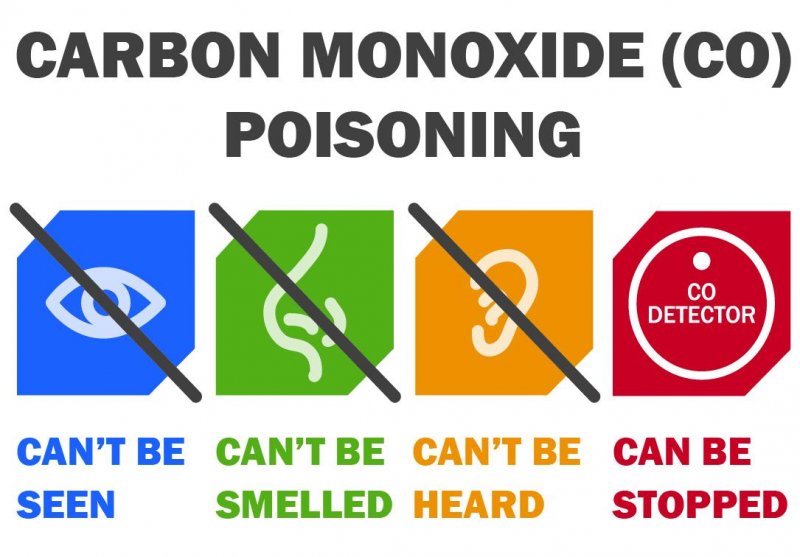
First things first, let's briefly introduce the celebrity of our story, Carbon Monoxide, or CO as its friends call it. Now, CO is a sneaky, invisible, odorless gas. It’s like a ninja, but a dangerous one. It’s created when things burn without enough oxygen – think of it as a byproduct of incomplete combustion. So, picture a car engine running in a closed garage, a gas furnace doing its job, or maybe a cozy fireplace crackling away. When these things aren’t vented properly, CO can build up, and that’s when trouble starts brewing. But what does this have to do with your glorious AC?
Air Conditioning: The Innocent Bystander
Here’s the big reveal, folks, and it's a happy one! Your air conditioner, bless its cooling heart, is about as likely to produce carbon monoxide as a goldfish is to win the national spelling bee. That's right! Your AC unit is in the business of moving air around and shifting heat from one place to another. It’s basically a sophisticated, high-tech fan and heat exchanger. It doesn't burn anything! There's no combustion happening inside your AC unit, whether it's the sleek indoor part or the hard-working outdoor compressor. No flames, no fuel, no fumes, no CO production! It's like asking if your refrigerator is going to start brewing coffee – completely out of its job description!
Imagine your air conditioner trying to produce carbon monoxide. It would be like asking a hamster to pilot a rocket to Mars! It simply doesn't have the necessary equipment or, you know, the burning ambition!
What to Know about Carbon Monoxide | HB McClure Company
So, Where DOES Carbon Monoxide Come From (and your AC isn't on the list!)?
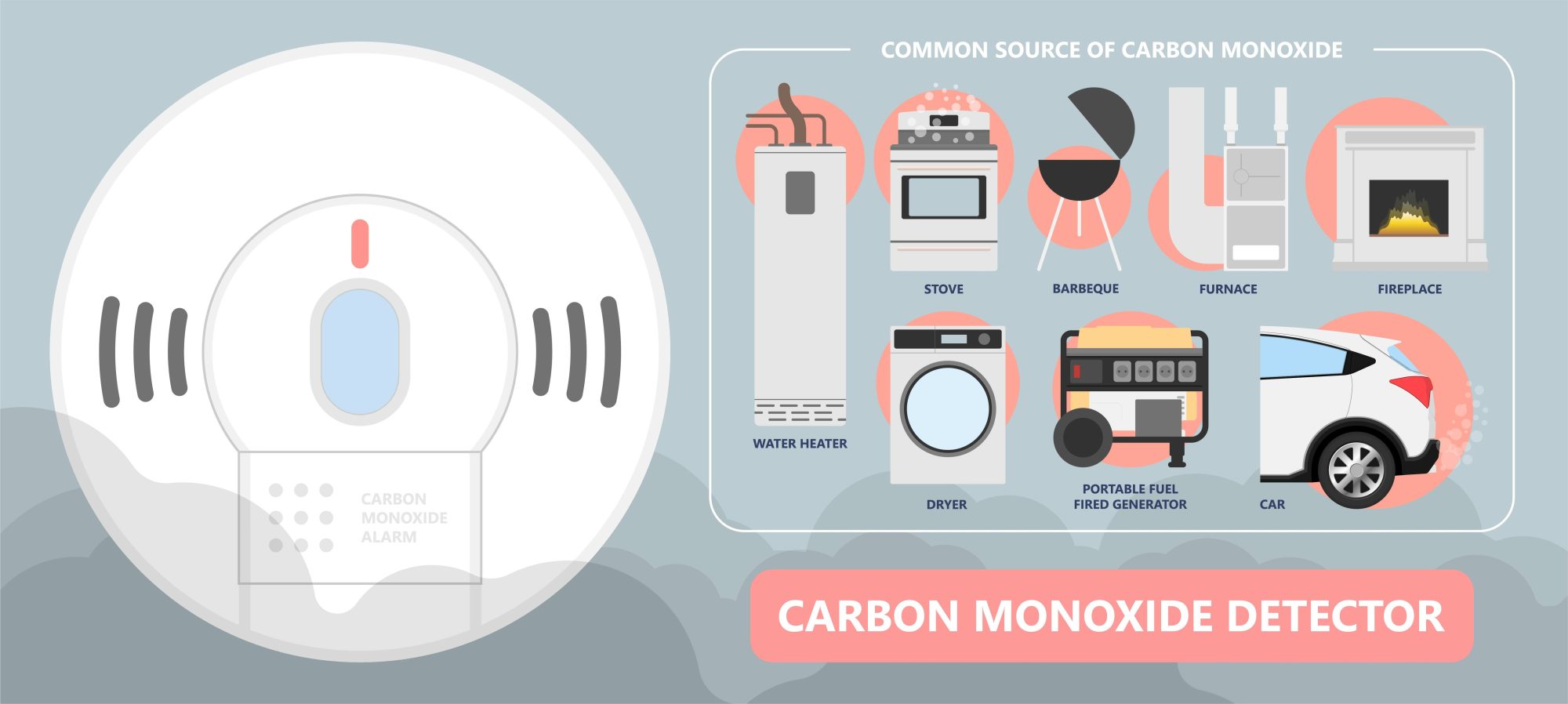
While your AC is off the hook, it's super important to know the real culprits behind CO poisoning. These are usually things that burn fuel for heat or power. Think about appliances and devices like:
Your home's furnace (especially if it’s gas or oil-fired and not maintained!)
Gas water heaters
Gas stoves and ovens (especially if improperly vented or left on too long)
Portable generators (a big one for power outages!)
Charcoal grills (never use these indoors!)
Wood-burning fireplaces and stoves
Your car’s exhaust (especially in an enclosed space)
Notice a theme there? They all burn something! Your AC unit is just humming along, chilling out, not combusting a single thing. It’s merely circulating air, pulling out the humidity, and making your space feel like a cool, refreshing oasis.
What You Need to Know about Carbon Monoxide Poisoning in Your Home
Your AC: A Breath of Fresh, CO-Free Air!
So, can you get carbon monoxide poisoning from air conditioning? The resounding, enthusiastic, and scientifically-backed answer is a giant, joyful NO! Your AC unit is a friend, a hero of hot days, a bringer of breezes, but never, ever a producer of CO. It's simply not designed to do that, nor does it have the operational components to make it happen. You can breathe easy, literally, knowing that your air conditioner is working hard to keep you cool without adding any invisible, dangerous guests to your indoor air.
So go ahead, crank that AC! Enjoy the crisp, cool air. Revel in the refreshing relief from the scorching sun. Your air conditioner is there to make your life more comfortable, not to give you a secret dose of something dangerous. Stay cool, stay happy, and keep those worries about CO focused on appliances that actually burn fuel!