Can You Fix Water Damaged Walls By Yourself
Ever walked into a room and suddenly heard that drip, drip, drip? Or worse, seen a suspicious bulge on your wall that definitely wasn't there yesterday? Uh oh. Water damage! It’s the kind of thing that makes your heart do a little flip-flop, right? But here's the thing: while it feels like the end of the world, fixing water damaged walls yourself can actually be a weirdly satisfying, even fun, adventure!
The Great Wall Sponge Mystery!
First off, let’s acknowledge the immediate panic. Your beautiful, sturdy wall suddenly looks like it’s been crying. Or worse, like it’s growing a giant, soggy bubble. It’s okay! Most of the time, it’s not as catastrophic as it looks. Walls, especially drywall, are surprisingly like giant sponges. They just soak it all up. Who knew your house had such a thirst?
The trick is figuring out if you're dealing with a tiny spill that got a bit ambitious or if your ceiling decided to stage a dramatic indoor waterfall. A small, contained wet spot? Probably DIY territory. A room that looks like it hosted an impromptu pool party? That might be a "call a pro, like, yesterday" situation. But for everything in between, grab your imaginary detective hat!
Must Read
Operation Dry-Out: Let the Games Begin!
Once you’ve stopped the water source (and trust us, that’s the first, most important step, unless you like your walls perpetually moist!), it's time to dry things out. This is where you get to become a superhero of evaporation! Think fans. Lots of fans. Point them at the wall. Get a dehumidifier if you have one – these gadgets are like magic, sucking moisture out of the air. It’s like creating your own little desert oasis indoors, just for your wall.
Quirky fact: A single sheet of drywall can absorb a surprising amount of water – sometimes up to half its weight! So, even if it looks dry on the surface, there might be a whole hidden reservoir inside. Give it a good few days, maybe even a week, of serious fanning and dehumidifying. Patience is a virtue, especially when battling the invisible enemy of moisture!
The Art of the Patch-Up: It’s Like Wall Makeup!
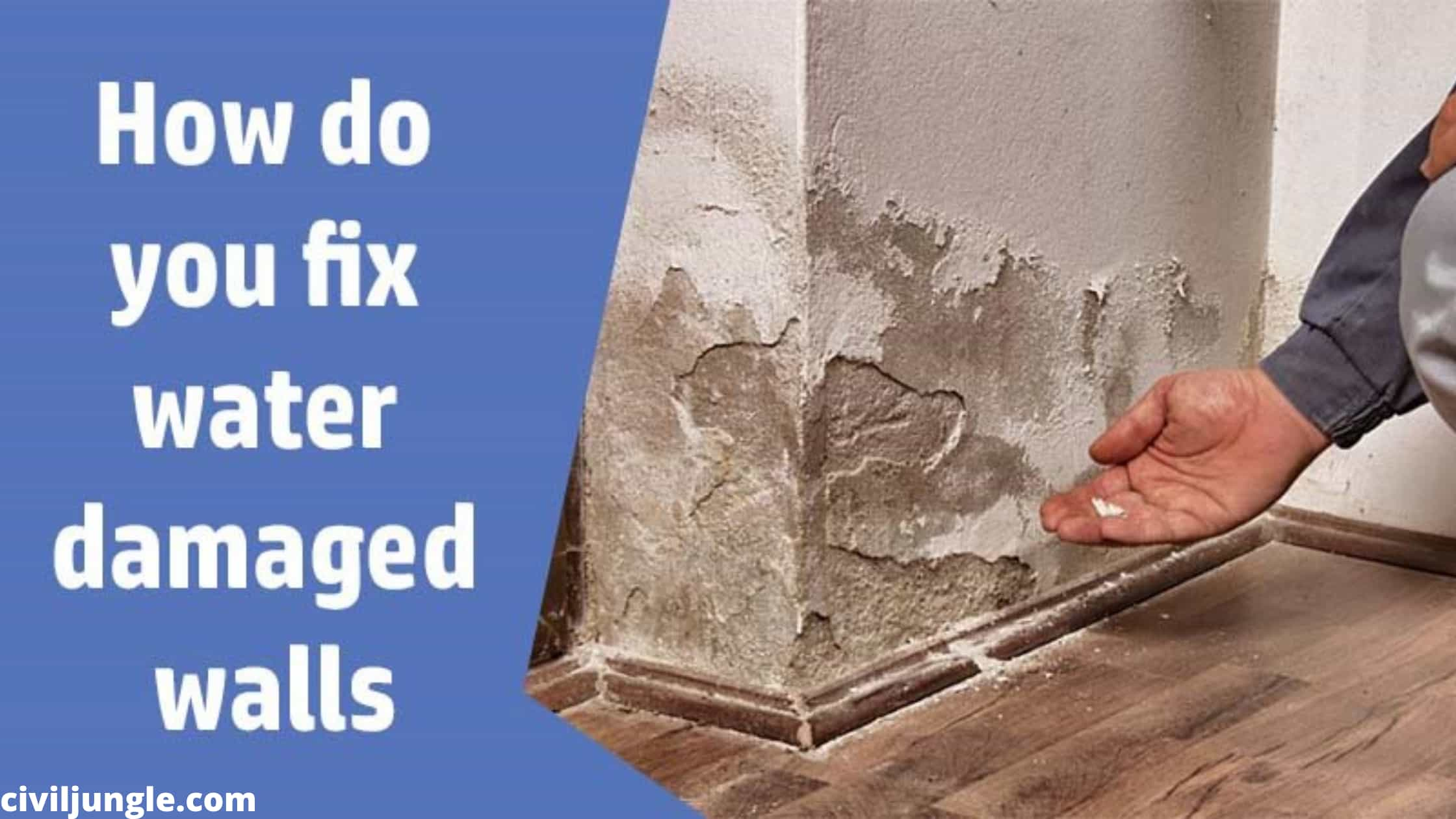
Okay, so your wall is dry. Now what? You might have stains, some peeling paint, or even a slightly soft, squishy spot. For smaller, less severe damage, this is your moment to shine! Scrape off any loose bits. Clean the area. Then, for stains, a good stain-blocking primer is your best friend. It's like foundation for your wall, making sure that ugly water ring doesn't bleed through your fresh paint job.
Got a small divot or a slightly uneven patch? Enter spackle! This stuff is like wall putty. You spread it on, smooth it out, let it dry, sand it a little, and boom! Almost invisible. It’s incredibly satisfying to take something bumpy and turn it into a perfectly smooth surface. You're basically a cosmetic surgeon for your house!
When Things Get Punchy: Drywall Surgery!
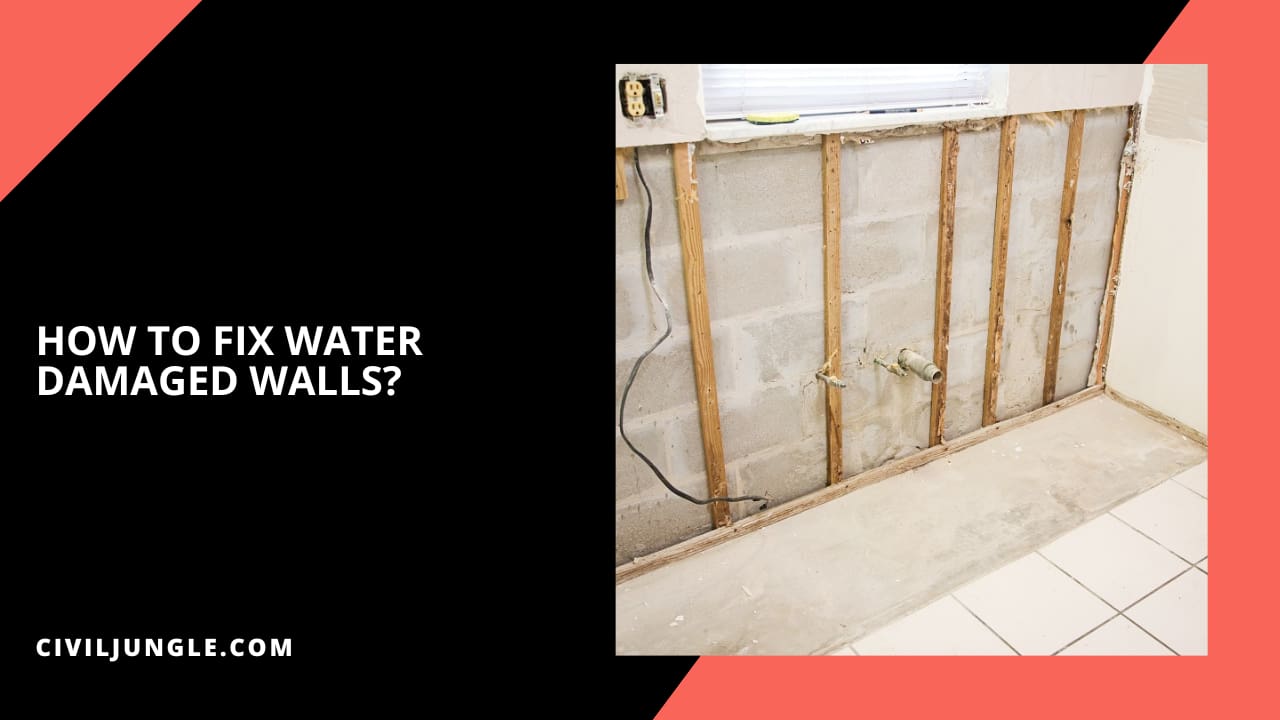
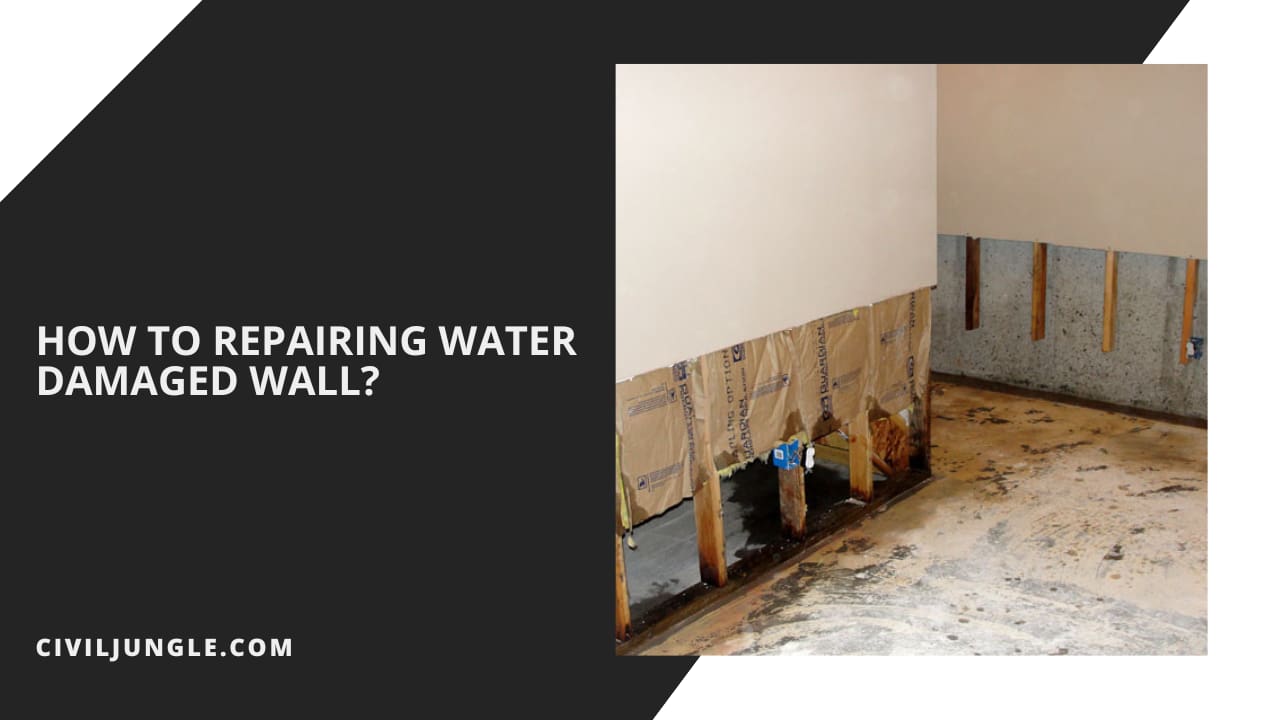
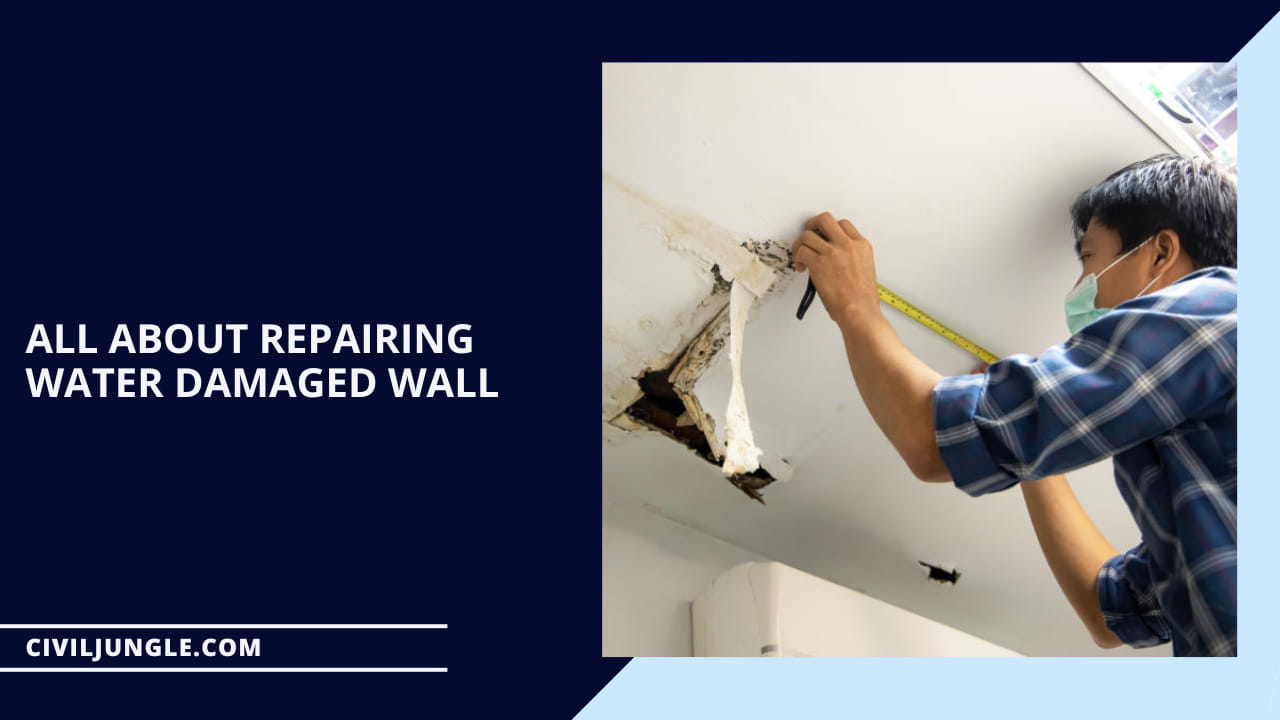
Sometimes, the damage is just too deep. The wall is soft, crumbling, or just looks utterly miserable. Don’t despair! This is where you get to play construction worker. Cutting out a section of drywall might sound intimidating, but honestly, it’s like a giant jigsaw puzzle. You measure, you draw a neat square or rectangle around the damaged part, and then you cut. A utility knife and a steady hand are your allies.
The trick? Make your cuts clean. Think of it as a surgical incision. Then you pop in a new piece of drywall (hello, new best friend: drywall repair patch kits!), tape the seams, mud it up (that's joint compound, for the uninitiated!), sand it smooth, and paint. Seriously, the feeling of putting that fresh piece of drywall in place and seeing your wall become whole again? Pure triumph! It's like you've given your house a brand-new skin.
The Fuzzy Foe: When Mold Crashes the Party
Now, a quick, less fun but super important note: mold. If you see fuzzy, discolored patches, especially after prolonged wetness, that’s mold. For small patches (think a few square inches), you can often tackle it with a bleach solution or a mold killer. Wear gloves, wear a mask, and ventilate! But if it’s a huge area, if you smell a strong musty odor, or if you’re unsure, please call in the pros. Mold can be a health hazard, and your inner DIY warrior needs to know when to call for backup.

Funny detail: Mold spores are literally everywhere, just waiting for a damp, dark party invitation. Don't give them one!
Why Is This Even Fun, You Ask?
Okay, let’s circle back to the "fun" part. Because, believe it or not, it really can be!
First, there's the satisfaction factor. Taking a soggy, sad wall and making it look brand new again is incredibly rewarding. You literally fixed something broken with your own two hands!
Second, you learn something new. You’ll understand your house better, learn about drywall, paint, and moisture. That’s knowledge you’ll carry with you.
Third, you save money! Professional repairs can add up. Tackling smaller jobs yourself keeps more cash in your pocket for, well, more fun stuff!
And finally, there’s the bragging rights. "Oh, that perfectly smooth wall? Yeah, I fixed that after it tried to become a water feature." Instant homeowner cred!
So, next time you spot that suspicious dampness, don't just sigh. Take a deep breath, grab some tools, and maybe, just maybe, prepare for your next quirky, satisfying home improvement adventure. You've got this!