Can There Be Carbon Monoxide Without Gas
We all cherish the feeling of a safe and sound home, don't we? That cozy peace of mind knowing our haven protects us from the outside world. Part of that security comes from being aware of potential dangers, even the silent ones. And when we think of household hazards, things like fire or a gas leak often spring to mind. We’ve been taught to smell for gas, to check our smoke detectors. But what about carbon monoxide (CO)? This invisible, odorless, and tasteless gas is often dubbed the "silent killer," and while many associate it solely with gas appliances, there's a crucial misunderstanding that could put lives at risk: can there be carbon monoxide without gas?
The answer, emphatically, is yes! Understanding this isn't just a quirky piece of trivia; it’s a vital benefit for everyday life, empowering us to protect our families and maintain that cherished peace of mind. The purpose of knowing this truth is simple: broader awareness leads to better prevention. Carbon monoxide is a byproduct of incomplete combustion of any carbon-containing fuel. This means if something is burning, and it's not burning cleanly or efficiently, CO can be produced.
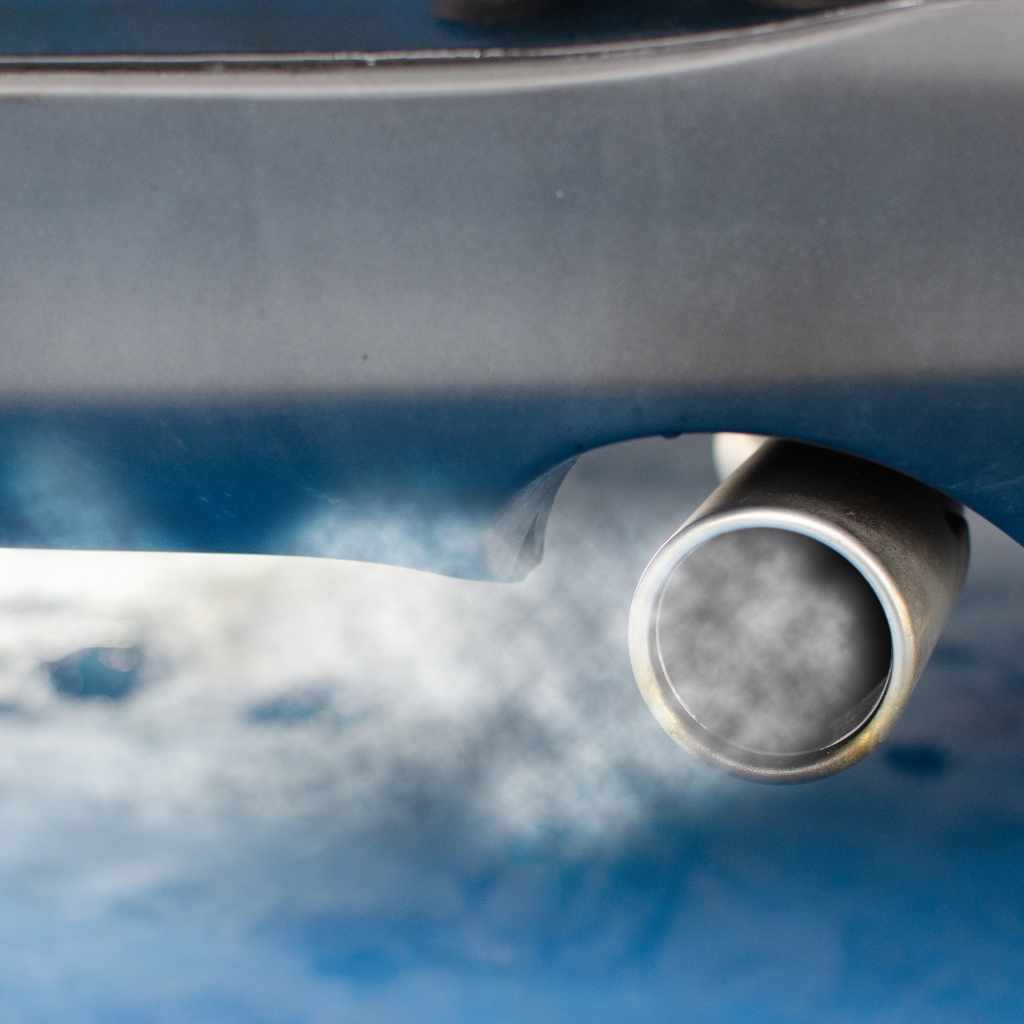
So, where does this "gas without gas" CO come from? The examples are more common than you might think. Picture a crisp autumn evening, enjoying a roaring fire in your wood-burning fireplace. Beautiful, right? But if the chimney is blocked or not drawing properly, CO can backdraft into your home. Similarly, those convenient charcoal grills or portable kerosene heaters, designed for outdoor use, become deadly sources if brought inside or used in poorly ventilated areas. Even your trusty car engine running in an attached garage can quickly fill the space with lethal levels of CO. Faulty or improperly vented furnaces, water heaters, or clothes dryers – even if they use natural gas or propane – can produce CO not because they are "leaking gas" in the traditional sense, but because of incomplete combustion within the appliance itself, often due to a cracked heat exchanger or blocked flue.
Must Read
To enjoy a truly safe home, here are some practical tips to effectively guard against CO, regardless of your fuel type. First and foremost, install carbon monoxide detectors. Think of them as the unsung heroes of home safety. Place them on every level of your home, especially near sleeping areas. Second, ensure all fuel-burning appliances – furnaces, water heaters, stoves, fireplaces – are inspected annually by a qualified technician. This proactive step can catch issues before they become dangerous. Third, never, ever use outdoor equipment indoors. That means no charcoal grills in the garage, no portable generators inside during a power outage. And finally, know the symptoms of CO poisoning: headache, dizziness, nausea, and flu-like symptoms. If your alarm sounds or you suspect CO poisoning, evacuate immediately and call for help. By expanding our understanding beyond just "gas" and embracing comprehensive CO awareness, we can all breathe a little easier, knowing our homes remain truly safe havens.