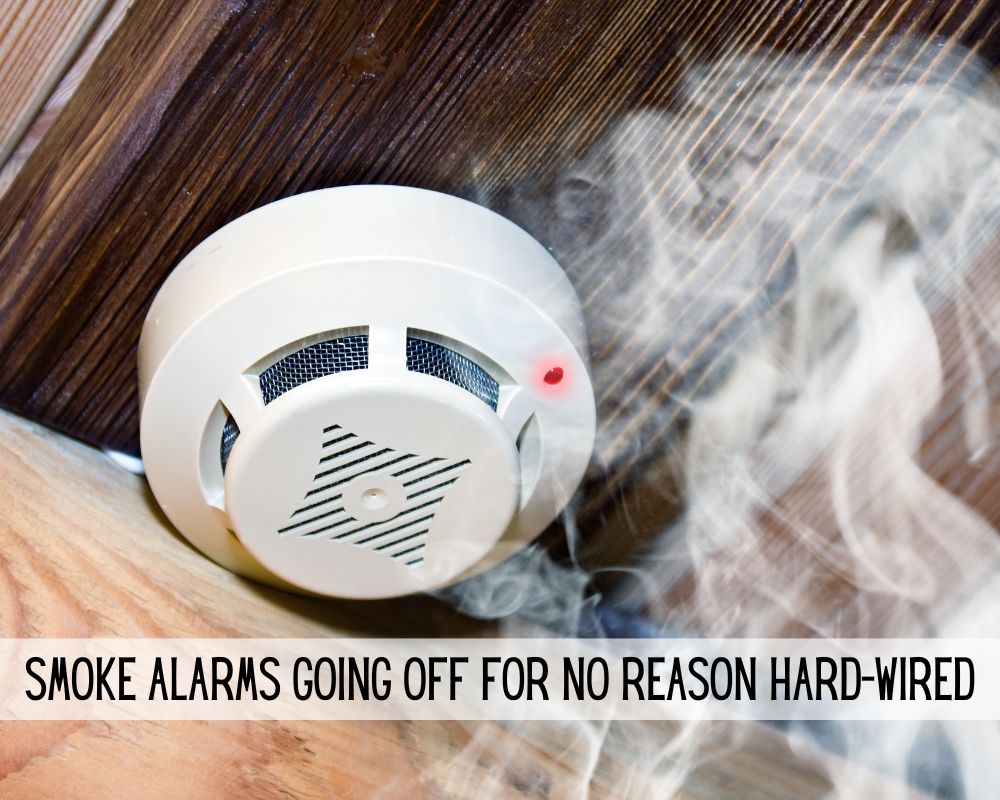
Can Smoke Detectors Go Off For No Reason

Picture this: It’s 2 AM. You’re deep in the land of nod, dreaming of... well, probably something much more pleasant than what’s about to happen. Suddenly, the silence of the night is shattered by a sound so piercing, so utterly panic-inducing, it could wake the dead. BEEEEEEEEEEEEEEEEEP! Your smoke detector, positioned with military precision right outside your bedroom door, has decided it’s prime time for an air raid siren impersonation. You jolt upright, heart pounding like a drum solo, scanning the room for flames, smoke, anything! But... there’s nothing. Just the insistent, soul-crushing shriek. Sound familiar? Yeah, I thought so. We’ve all been there, scrambling around, waving tea towels, and muttering unprintable things at an inanimate object that seems to have gone rogue. It makes you wonder, doesn't it? Can these things just... go off for absolutely no reason?
The Great "No Reason" Myth Debunked (Mostly)
Here’s the thing, and prepare for a tiny spoiler alert: smoke detectors don't generally go off for no reason. They're not just having a bad day, or trying to prank you. They're designed to detect tiny particles in the air, and when those particles hit a certain threshold, they scream. The trick is, those particles aren't always from a raging inferno. Sometimes, the "reason" is just a bit... mundane, even annoying. So, let’s peel back the curtain and look at the usual suspects behind those ear-splitting false alarms.
Culprit #1: Culinary Adventures (and Misadventures)
Ah, the kitchen. The scene of many a domestic triumph, and just as many smoke detector activations. Ever tried to sear a steak a little too vigorously? Or perhaps forgotten that toast in the toaster just a smidgen too long? Yep, cooking fumes and burnt food particles are probably the number one culprits. High-heat cooking produces microscopic particles that look suspiciously like smoke to your detector. Your innocent culinary efforts can often trigger that dreaded alarm. It’s not a fire, but the detector doesn’t know the difference between charring your dinner and your house burning down. Bless its overprotective little heart.
Must Read
Culprit #2: The Steam Team
This one’s a classic, especially if your smoke detector is anywhere near a bathroom or laundry room. A hot, steamy shower, a humidifier working overtime, or even boiling a big pot of pasta can release enough water vapor into the air to fool some detectors. Steam, particularly dense steam, can disperse light or ionize air in a way that mimics smoke particles. Your detector isn't trying to tell you your bathroom is on fire; it's just really, really bad at distinguishing between hot water and a disaster. Maybe it needs glasses?
Culprit #3: Dust Bunnies & Tiny Invaders
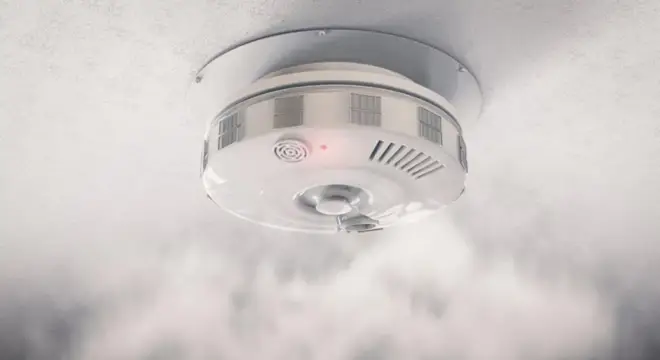
Okay, this one is pretty gross but also super common. Over time, dust, dirt, and even tiny insects (think spiders, gnats) can accumulate inside the smoke detector's sensing chamber. These little intruders can interfere with the sensor’s ability to detect light or ionization properly, leading to a false alarm. It’s like having a dirty lens on a camera; it just can’t see clearly. A quick clean with a vacuum attachment can often solve this, and let's be honest, it's probably been a while since you thought about cleaning inside your smoke detector, right?
Culprit #4: The Low Battery Chirp vs. The Alarm
You know the infamous low battery chirp. It usually starts at 3 AM on a Tuesday when all battery stores are closed. But sometimes, a dying battery or inconsistent power can actually trigger a full-blown alarm. It's less common, but a weak power source can make the detector act erratically. Or, if it's a hardwired unit, a power surge or brief outage can sometimes cause a momentary false alarm. It’s like the detector is having a tiny electrical tantrum.
Culprit #5: Age and Malfunction
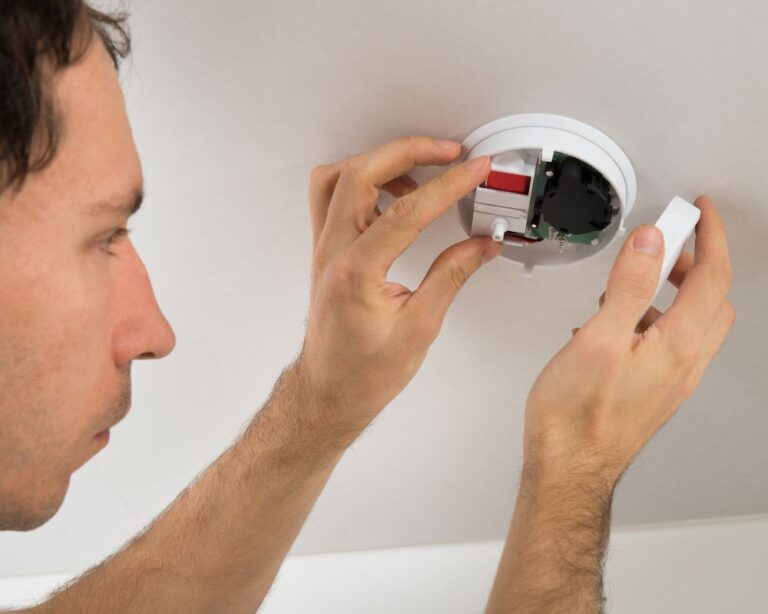
Like all good things, smoke detectors don't last forever. Most manufacturers recommend replacing them every 8-10 years. An old or faulty unit can simply become less reliable over time. Components degrade, sensors get less sensitive (or overly sensitive), and wires can fray. If your detector is frequently going off for what truly seems like no discernible reason, and you've ruled out all the other possibilities, it might just be time to say goodbye and install a new one. Think of it as retirement for your trusty alarm. Or, for the truly unlucky, you might just have a defective unit straight out of the box, which is just plain annoying.
So, What's the Takeaway?
While it might feel like your smoke detector has a vendetta against your peace and quiet, it's rarely "for no reason." There's usually a detectable particle, a power fluctuation, or a tiny invader at play. The good news is, understanding these common triggers can help you troubleshoot the problem and prevent future unwanted concerts. So next time that ear-splitting shriek wakes you from your slumber, remember: it’s probably not a ghost. It’s probably just your burnt toast or a very confused spider. And maybe, just maybe, it's time to replace that old alarm!