
Can Smoke Detectors Detect Carbon Monoxide
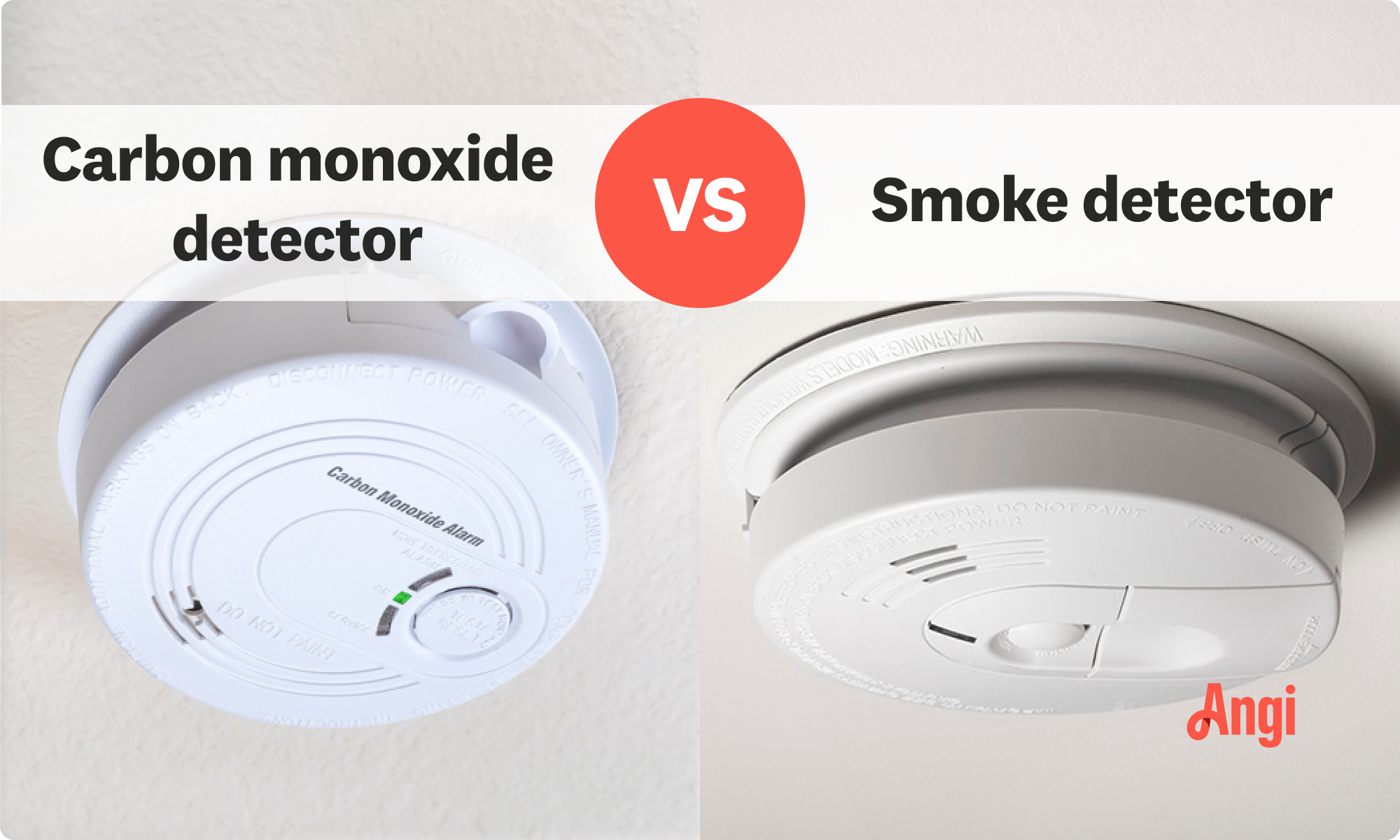
Ever wondered if that chirpy little device on your ceiling, the one that screams when you burn toast, also keeps an eye out for something much sneakier? We're talking about carbon monoxide. It's a common question, and frankly, a very smart one to ask!
Let's clear the air and get straight to the point. Can your everyday smoke detector sniff out carbon monoxide? The short answer is: nope, not by itself. It’s like asking a skilled chef to fix your car – different expertise, different tools!
Smoke Detectors: Our Fire-Fighting Friends
Think of your smoke detector as a specialized guard dog. Its job, its whole reason for existence, is to bark like crazy when it detects smoke. Whether it's the wispy kind from a smoldering fire or the thick clouds from a blazing inferno, your smoke detector is on high alert for those tiny particles that fire sends into the air.
Must Read
These devices are absolute champions at what they do. They give us crucial seconds, sometimes even minutes, to escape a burning building. They've saved countless lives, all because they're tuned to one very specific threat: fire and its smoky byproducts. They are the frontline defense against the visible danger of a blaze.
There are a couple of main types of smoke detectors you might have. Some are fantastic at sensing fast, flaming fires (these are often called ionization alarms). Others are great at detecting slow, smoldering fires that produce a lot of visible smoke before bursting into flame (these are usually photoelectric alarms). Both are brilliant at their smoke-detecting job, but they have a very narrow focus.
Enter the "Silent Killer": Carbon Monoxide
Now, let's talk about the other guy: carbon monoxide, or CO for short. This stuff is truly scary because it's the ultimate ninja. It's completely invisible. It has no smell whatsoever. You can't see it, you can't taste it, and you certainly can't smell it. This is why it's often called the "silent killer."

CO is a dangerous gas produced by burning fuels – things like natural gas, propane, kerosene, wood, or charcoal. Think about your furnace, gas stove, water heater, fireplace, or even your car running in a garage. If these aren't working correctly or aren't properly ventilated, CO can build up to dangerous levels in your home without you ever knowing.
When you breathe in CO, it replaces the oxygen in your blood. This can lead to headaches, dizziness, nausea, and in severe cases, unconsciousness and even death. The insidious part is that you might just think you have the flu until it's too late. It’s a very serious threat that demands its own dedicated detection system.
Why One Can't Do the Other
So, why can't your trusty smoke detector detect CO? It simply comes down to how they're built. Smoke detectors are designed to "see" tiny particles in the air. Carbon monoxide, however, isn't a particle; it's a gas. It needs a different kind of sensor, one that can chemically react to the presence of CO molecules, not just "see" smoke.
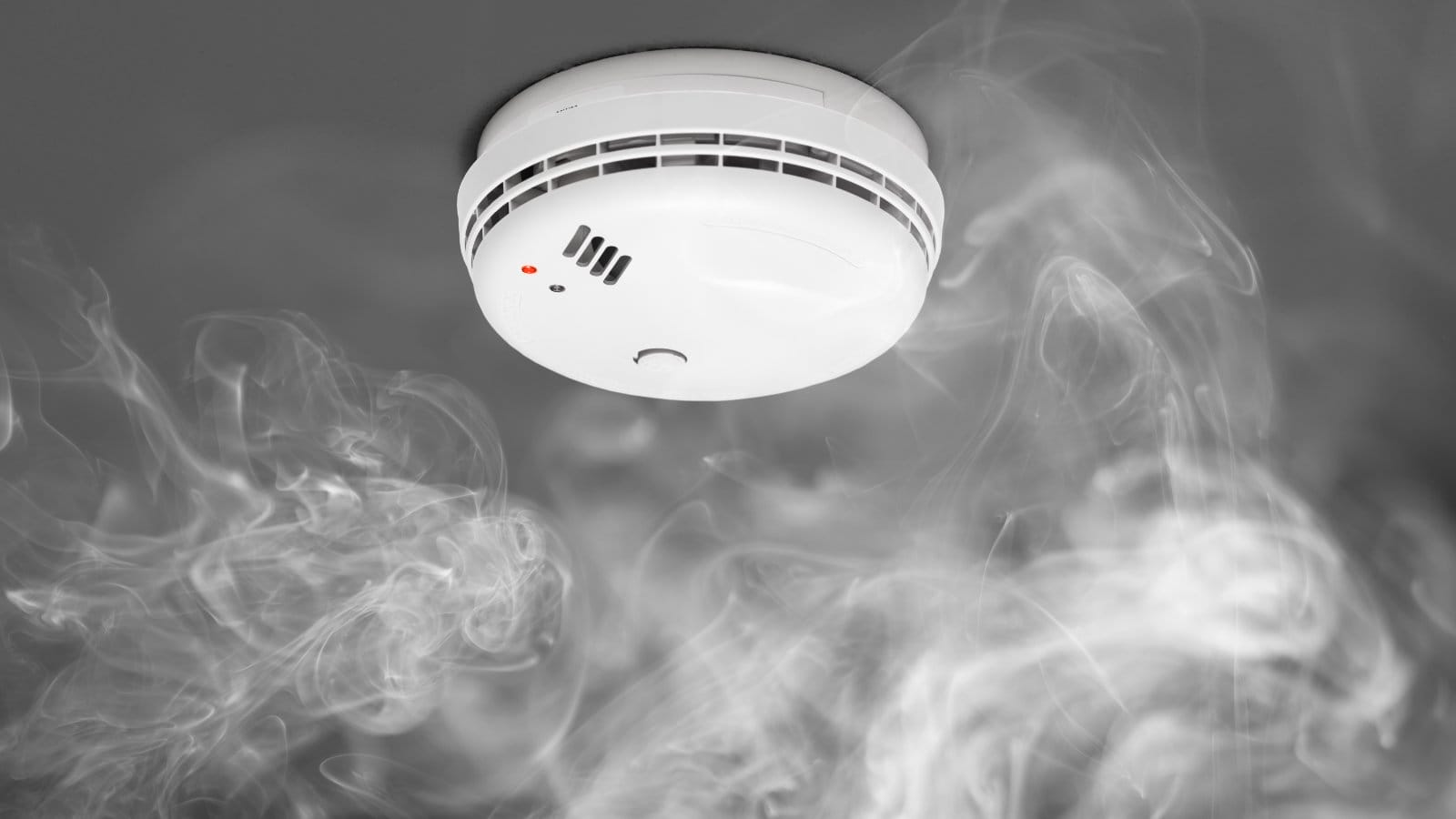
It’s like trying to catch a fish with a butterfly net. Both are tools for catching something, but they're designed for completely different targets. Your smoke detector is perfect for catching smoke particles, but CO gas just floats right through its sensors, undetected.
This difference is super important to understand. Relying on a smoke detector for CO protection is like hoping your oven will tell you if your car needs an oil change. It just won't happen, and the stakes are far too high for such a gamble.
The True Heroes: Carbon Monoxide Detectors
So, what's the solution? You need a specific carbon monoxide detector! These clever gadgets are specifically designed to sense the presence of CO gas in the air. When they detect unsafe levels, they let out a unique, often loud, warning sound – usually different from your smoke alarm, so you know exactly what danger you're facing.
Having a dedicated CO detector is just as important as having a smoke detector. It’s another layer of protection, guarding against a different, equally deadly threat. These detectors are not just a good idea; they are absolutely essential for any home with fuel-burning appliances or an attached garage.
The Best of Both Worlds: Combination Alarms
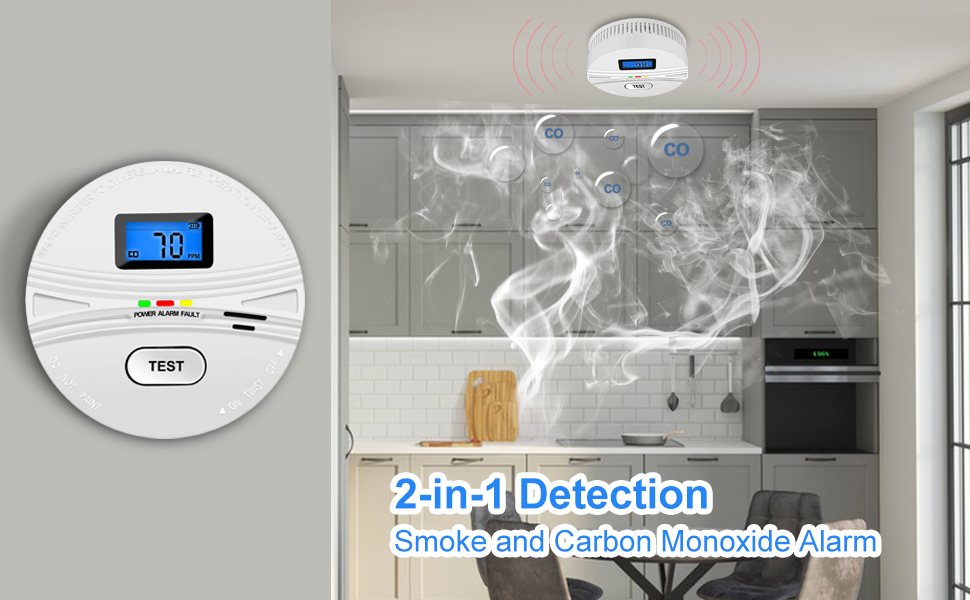
Now, for the really exciting news! In our modern world, convenience often goes hand-in-hand with safety. You don't necessarily need two separate devices cluttering your ceiling. Many manufacturers now offer fantastic combination smoke and carbon monoxide alarms. These are the unsung heroes that offer comprehensive protection in one sleek package!
These combination units are truly special. They house two distinct sensors – one for smoke and one for CO – working independently but housed together. They give you the peace of mind of knowing that you're covered for both fires and the silent killer, all from a single installation point. They often have different alarm sounds or voice alerts so you can tell if it's smoke or CO that's triggering the alert.

"Don't guess; protect your nest! Having both smoke and CO detection is not just smart, it's vital for your family's safety."
Inspiring You to Check It Out!
So, what's the big takeaway? Your existing smoke detector is a superstar at detecting smoke. But for the invisible, odorless menace of carbon monoxide, you need a different champion. This knowledge isn't just a fun fact; it's a crucial piece of information that can literally save lives.
We hope this makes you curious, maybe even inspires you to take a quick peek around your home. Do you have smoke detectors? Great! Do you also have carbon monoxide detectors, either as standalone units or as those clever combination alarms? If not, it's definitely something to consider adding to your home's safety plan.
Checking your alarms and ensuring you have the right protection for both smoke and CO is one of the easiest, yet most impactful, ways to keep your home and loved ones safe. It's a small effort for a huge return: peace of mind.