Can Latuda Cause Hair Loss
Let's talk about Latuda. While it's known as a medication for bipolar disorder and schizophrenia, helping people find stability and a clearer mind, an important and often-asked question arises: can Latuda cause hair loss? The answer, while not a simple yes or no, is crucial for anyone considering or currently taking this medication. Think of it like choosing art supplies – you want to know about all the properties of the medium before you start creating.
Latuda's primary function is to balance certain chemicals in the brain. This is particularly beneficial for individuals experiencing mood swings, hallucinations, or delusions. For artists, hobbyists, or even casual learners, a stable mood and a clear mind can unlock creativity and focus. Imagine an artist struggling with racing thoughts suddenly finding the ability to concentrate on their brushstrokes. Or a writer battling writer's block finally being able to weave intricate stories. This increased mental clarity is where Latuda's potential artistic value lies.
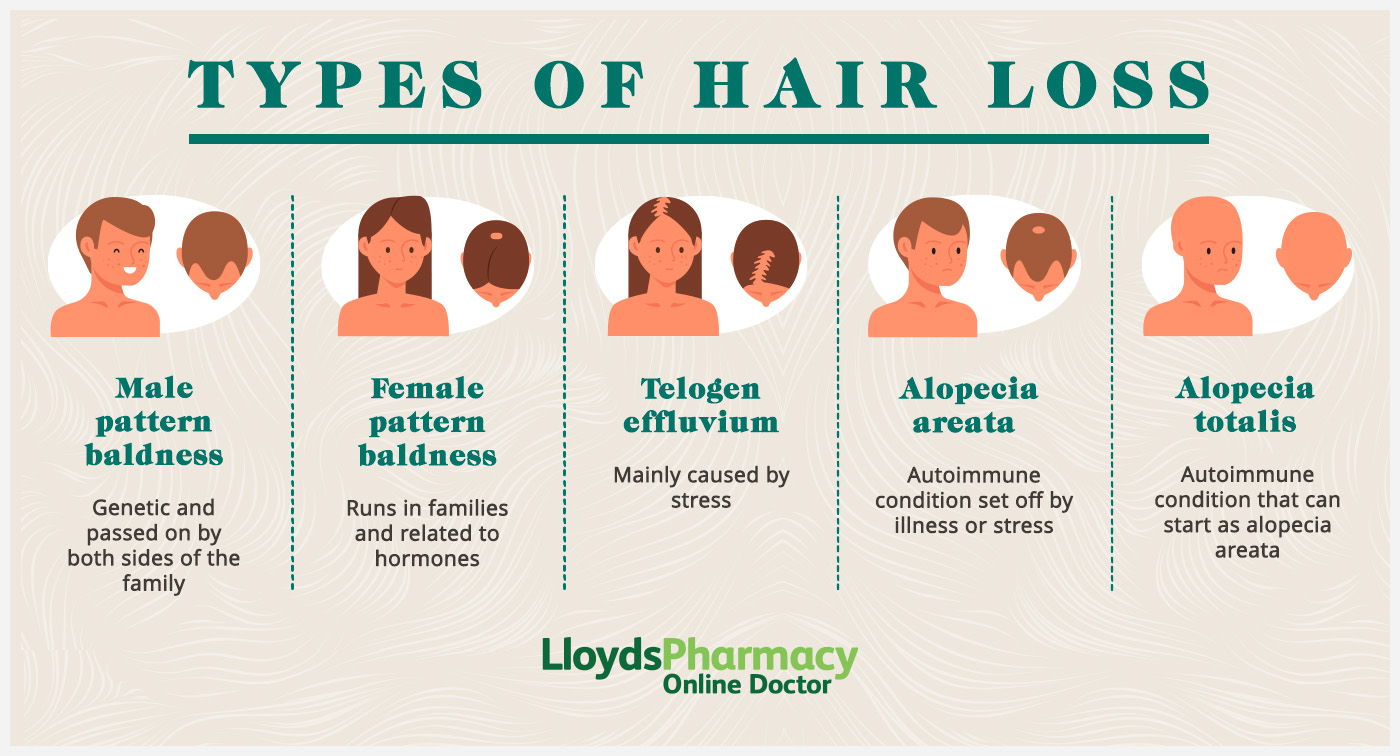
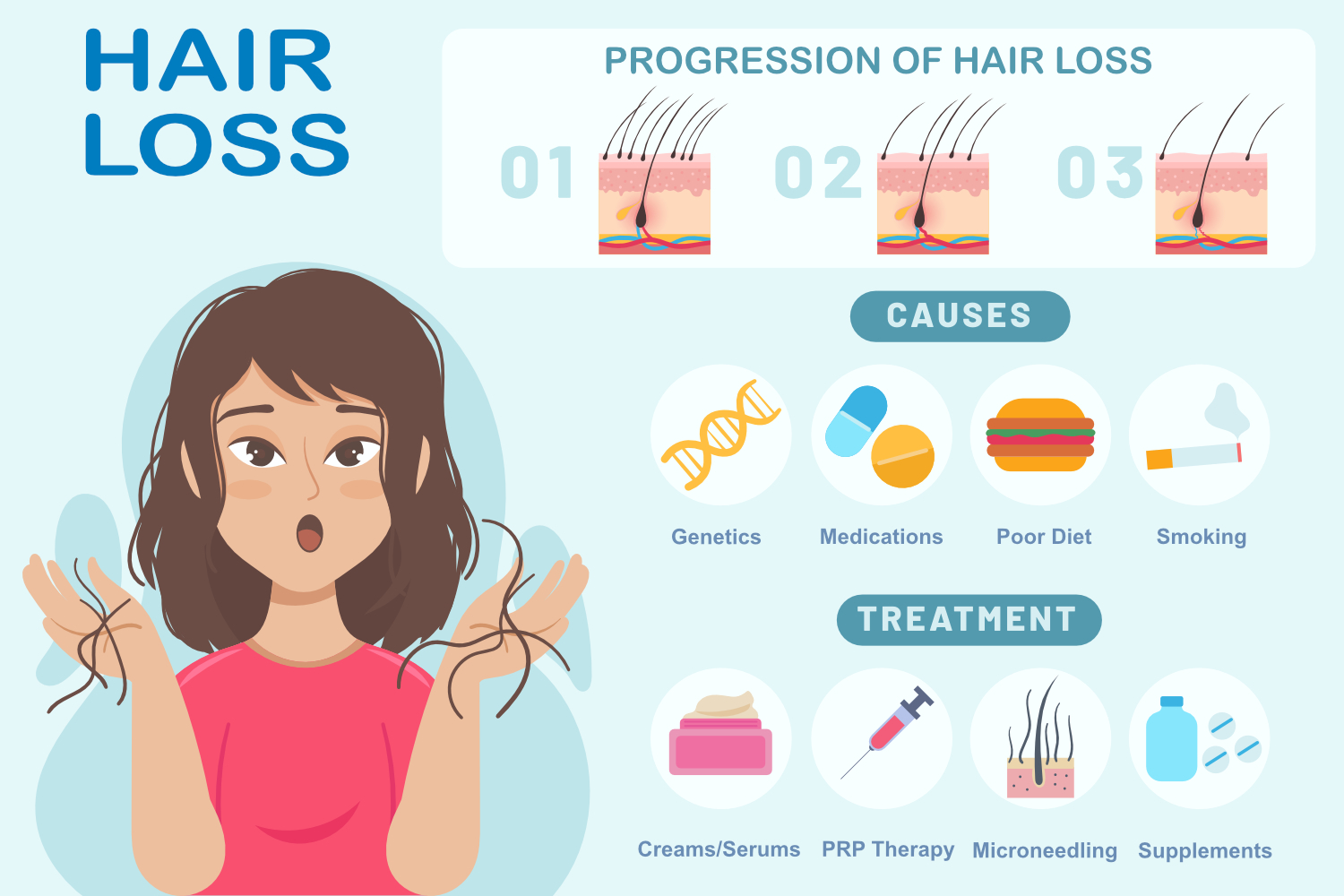
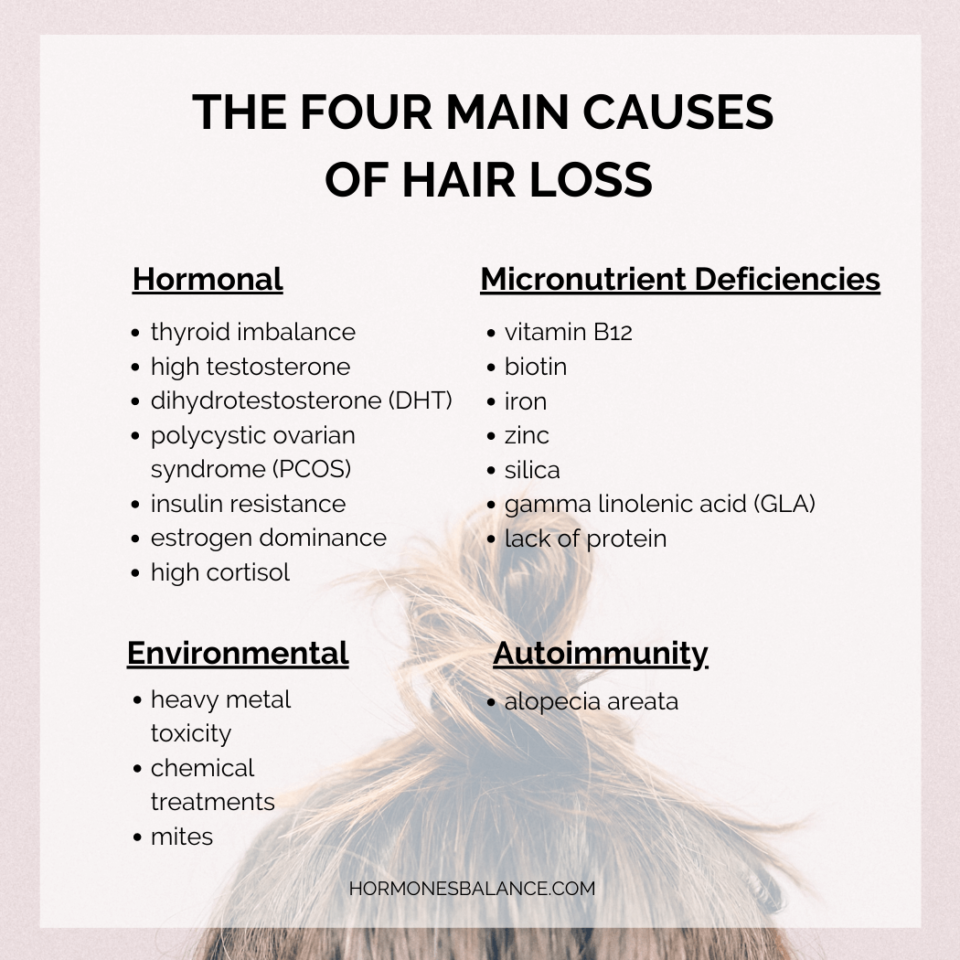
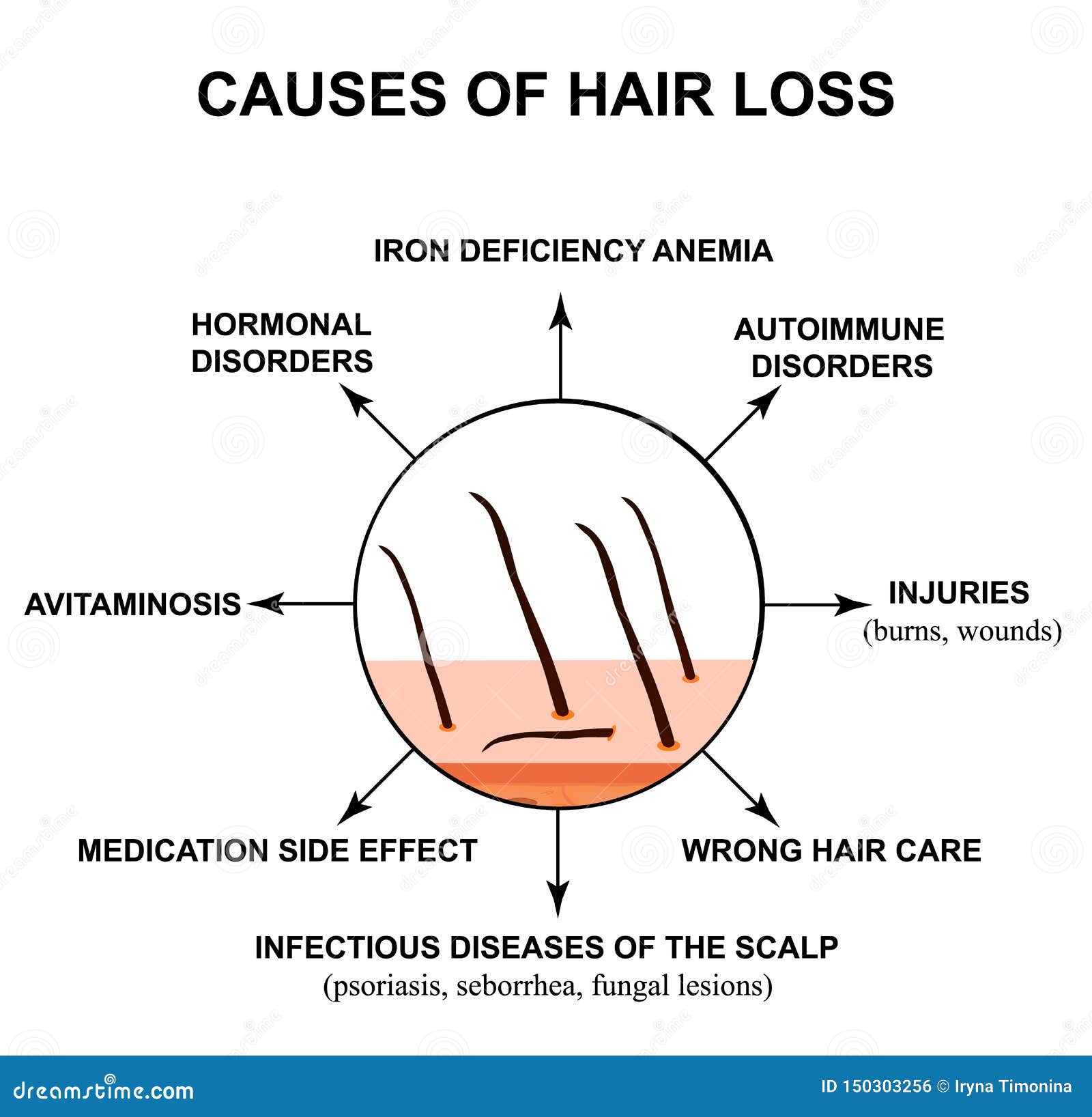
However, like any medication, Latuda comes with potential side effects. Hair loss, while not a commonly reported side effect, has been mentioned by some individuals taking the drug. It's important to emphasize that this is not a widespread phenomenon. Clinical trials haven't shown a strong link, and the FDA doesn't list hair loss as a common side effect. It could be related to other factors, such as stress, underlying medical conditions, or other medications being taken concurrently.
Must Read
So, what can you do? First and foremost, talk to your doctor. Don't self-diagnose or attribute hair loss solely to Latuda. A thorough medical evaluation can help determine the root cause. If hair loss is suspected to be related to Latuda, your doctor can explore options like adjusting the dosage (if appropriate), switching medications, or recommending treatments to help manage hair loss. Consider keeping a detailed journal noting when you started Latuda, any changes in your hair, and any other relevant health information. This information will be invaluable to your doctor.
Furthermore, focus on maintaining a healthy lifestyle. A balanced diet rich in vitamins and minerals, regular exercise, and stress management techniques can all contribute to healthy hair growth. Consider incorporating foods known to promote hair health, like eggs, spinach, and fatty fish, into your diet. Gentle hair care practices, like avoiding harsh chemicals and excessive heat styling, are also beneficial.
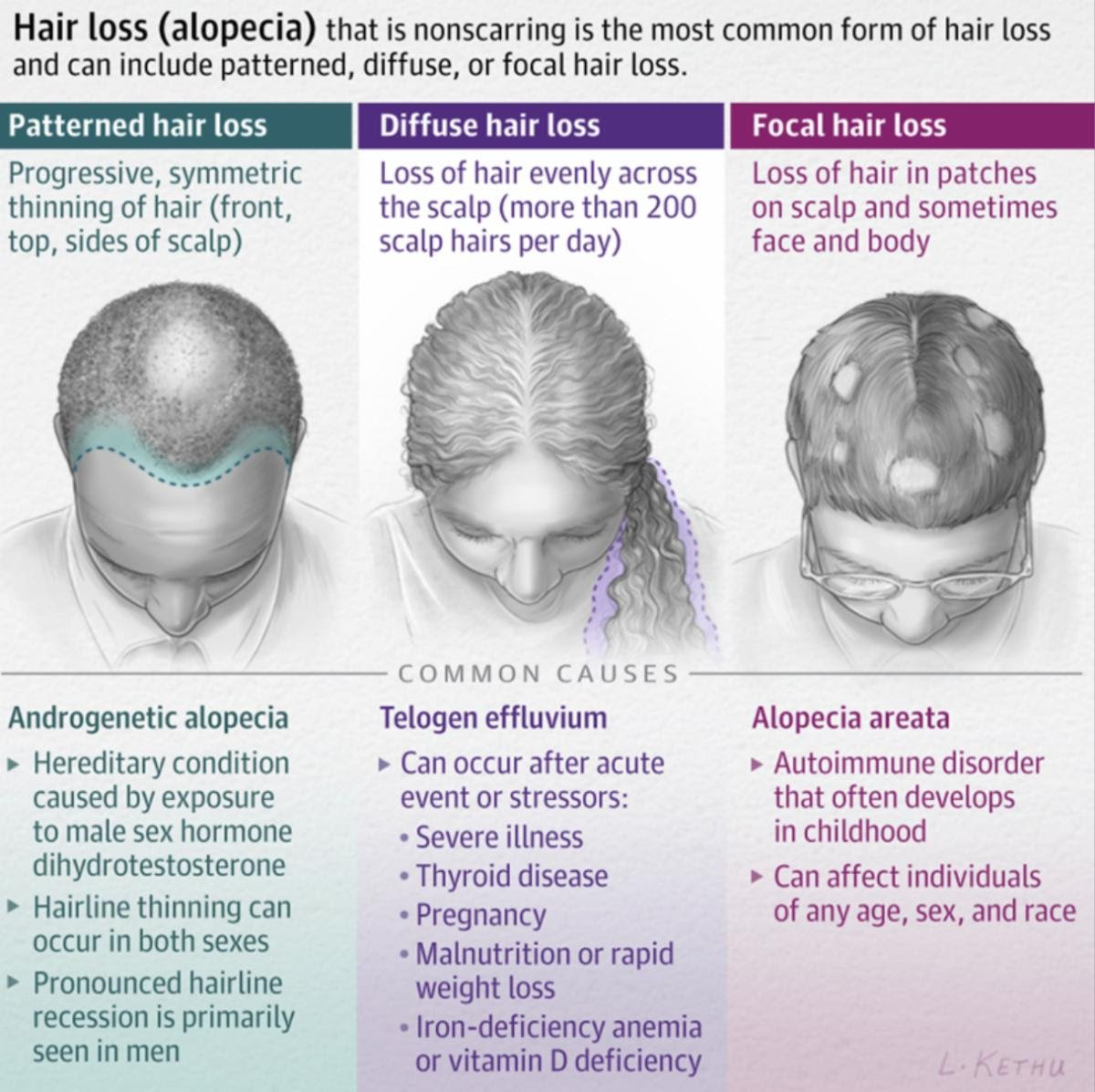
It's also worth considering that the mental health benefits of Latuda, such as improved mood stability and reduced anxiety, can themselves contribute to overall well-being, potentially counteracting stress-related hair loss. It’s about finding the right balance. This is especially important if you use the mental clarity to engage in creative pursuits that bring you joy and reduce stress. The satisfaction of finishing a painting, composing a song, or mastering a new skill can be incredibly therapeutic.
Ultimately, the decision to take Latuda should be made in consultation with a healthcare professional. While the possibility of hair loss exists, it's a relatively uncommon side effect. The potential benefits for mental well-being, and subsequently, creative expression, are often significant. Open communication with your doctor and a focus on overall health are key to navigating any potential side effects and enjoying the positive impact Latuda can have on your life.