
Can I Use Flonase Before Surgery
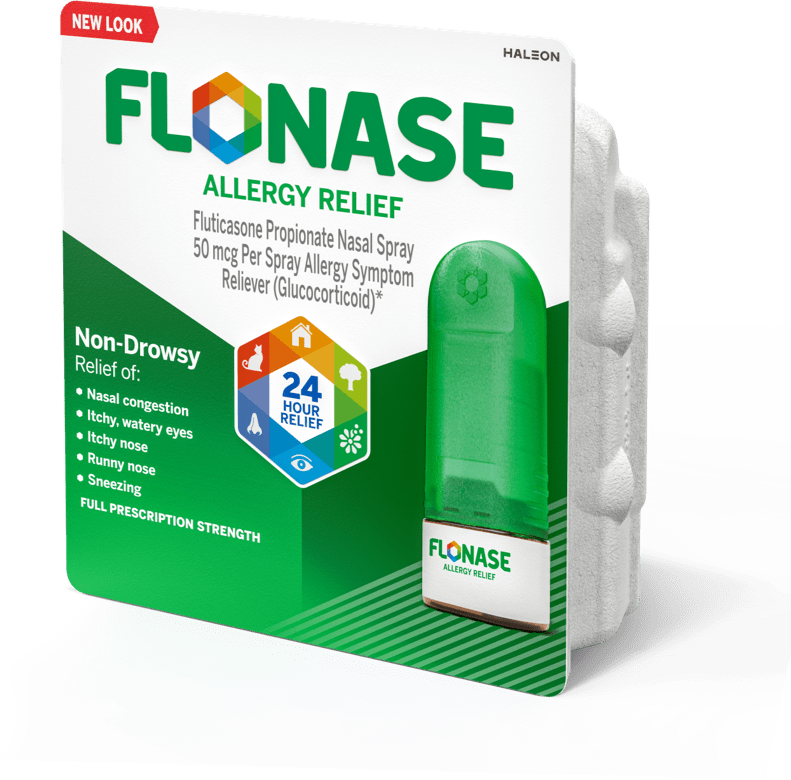
Okay, so picture this: I’m sitting in the pre-op room, nervously scrolling through TikTok, trying to distract myself from the impending doom (okay, it was just a minor procedure, but still!). The nurse is going over my meds, and I casually mention, "Oh yeah, and I took my Flonase this morning." Her eyes widen just a tiny bit. "Flonase? Hmm, let me double-check that with the anesthesiologist." Cue internal panic. What did I do?!
That little incident got me thinking – a lot of us rely on Flonase or other nasal steroids to keep our sinuses happy. But what happens when surgery enters the picture? Can you just keep on spritzing away, or are there rules we need to follow? Let's dive in and find out. (Because honestly, I'm still a little traumatized by that pre-op nurse's raised eyebrow.)
So, Can I Use Flonase Before Surgery? The Short Answer...
The short answer is: it depends. (Isn't that always the answer? Ugh.) Generally speaking, using Flonase, or its generic equivalent fluticasone, before surgery is often considered safe, especially if you use it regularly for allergies or other nasal issues. But, always disclose all medications you're taking, including over-the-counter ones like Flonase, to your surgeon and anesthesiologist during your pre-operative appointments.
Must Read
Why all the fuss? Well, there are a few things your medical team needs to consider.
Why Your Surgeon Cares About Your Nasal Spray Habit
Here's the deal: While Flonase is generally safe, it's still a medication that can interact with other drugs and affect your body in certain ways. The biggest concerns are usually related to:

- Potential for increased bleeding: Some studies (though limited) have suggested that corticosteroids, like those found in Flonase, might slightly increase the risk of bleeding. Your surgeon definitely wants to minimize that during and after your procedure.
- Interaction with anesthesia: Anesthesia is a complex science, and your anesthesiologist needs to know everything that's going into your system to ensure your safety. Certain medications can interact with anesthesia, potentially causing complications. (No one wants that!)
- Suppressed Immune System: While we're talking long term and high doses of corticosteroids that are injected or oral, there is always a concern about suppressed immune response, which can be important after a surgery.
Basically, they need the full picture to make the best decisions for your specific situation. Think of it like they're building a surgery plan, and your medications are puzzle pieces. They need to know what all the pieces are!
What to Do Before Your Surgery: The Action Plan
Here’s a simple action plan to help you navigate the Flonase-surgery conundrum:

- Be Honest: During your pre-op appointments, be upfront with your surgeon and anesthesiologist about your Flonase use. Don't try to hide it! (Like I almost did… lesson learned.)
- Follow Their Instructions: Your medical team will give you specific instructions. They might tell you to continue using Flonase as usual, stop it a few days before surgery, or adjust your dosage. Listen to them! They know what's best for you.
- Ask Questions: If you're unsure about anything, don't hesitate to ask questions. It's better to be informed and prepared than to be stressed and confused. "So, if I do stop using it, will my nose stage a rebellion?" (That's a valid question, right?)
The Bottom Line
Using Flonase before surgery is usually okay, but it's crucial to communicate with your medical team and follow their instructions. They're the experts, and they want to make sure you have a safe and successful surgery. So, breathe easy (literally!), be honest, and trust the process. And maybe lay off the TikTok scrolling in the pre-op room... just a thought.
And hey, if you're still worried, give your doctor a call. Peace of mind is priceless, especially when sharp objects and anesthesia are involved! Good luck!

