
Can I Use A 2025 Battery Instead Of A 2032
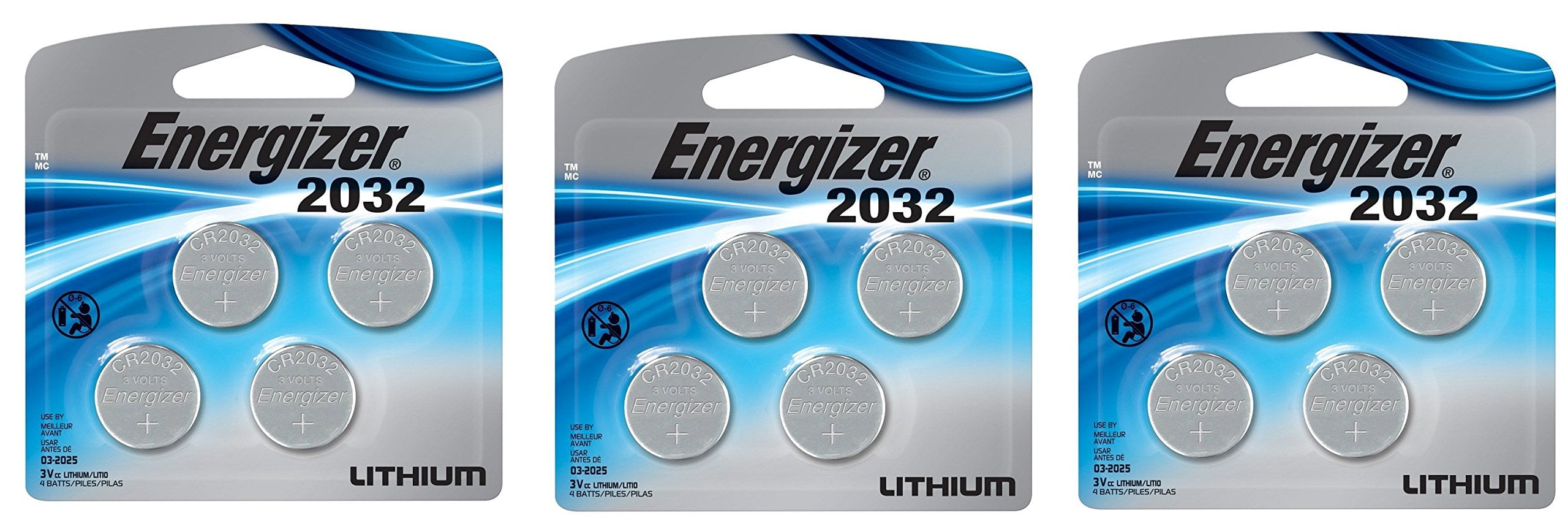
Alright, picture this: You’re rummaging through that infamous junk drawer – you know the one, it’s a portal to another dimension filled with orphaned socks, sticky notes, and three different kinds of charging cables you might need someday. You finally unearth a tiny, shiny coin battery, a beacon of hope for that dead remote or flickering kitchen scale. Victory! But then you squint, and your heart does a little plummet. The device asks for a CR2032, and what you’re holding is a CR2025.
Cue the internal monologue: "Can I just… make it work? It's just a few numbers off, right? It's like asking for a size 9 shoe and getting a 9.5. Close enough, surely?"
Oh, my friend, if only it were that simple. This isn’t a fashion choice where an oversized sweater is "cozy chic." When it comes to batteries, those numbers are like the DNA of power, and messing with DNA usually leads to some pretty wild results – mostly in the "doesn't work" or "makes a sad little beep" category.
Must Read
It's All About Those Numbers, Baby!
So, what do CR2025 and CR2032 actually mean? They’re not expiry dates, thankfully, or years your battery was cool. They're like a secret code revealing the battery's vital stats:
- The "CR" part just means it's a lithium coin cell. Good to know, but not our main event.
- The "20" tells you the diameter is 20mm. Both batteries share this, which is why they might look deceptively similar.
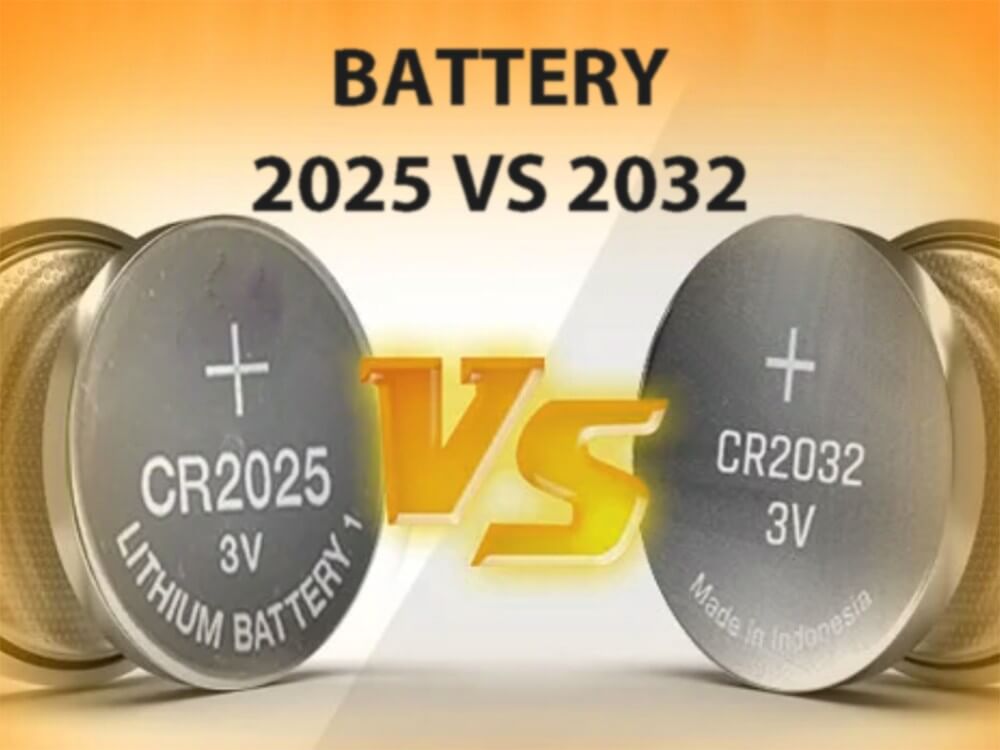
- Ah, but then there's the "25" and "32"! This is the crucial bit. It refers to the thickness in tenths of a millimeter. So, a 2025 is 2.5mm thick, and a 2032 is 3.2mm thick.
See? That seemingly tiny difference is actually a 0.7mm gap. That's a grand canyon in the world of snugly fitting electronics.

The Case of the Ill-Fitting Shoes
Imagine trying to wear a shoe that’s almost a full millimeter too small in height. Your foot might squeeze in, but it’ll be tight, uncomfortable, and you certainly won’t be doing any happy dances. Or, conversely, a shoe that’s too big in height – your foot rattles around, it feels loose, and you're just begging for a blister.
That's exactly what happens when you try to force a 2025 into a 2032 slot, or vice-versa.
If you try to put a thinner 2025 where a thicker 2032 belongs:
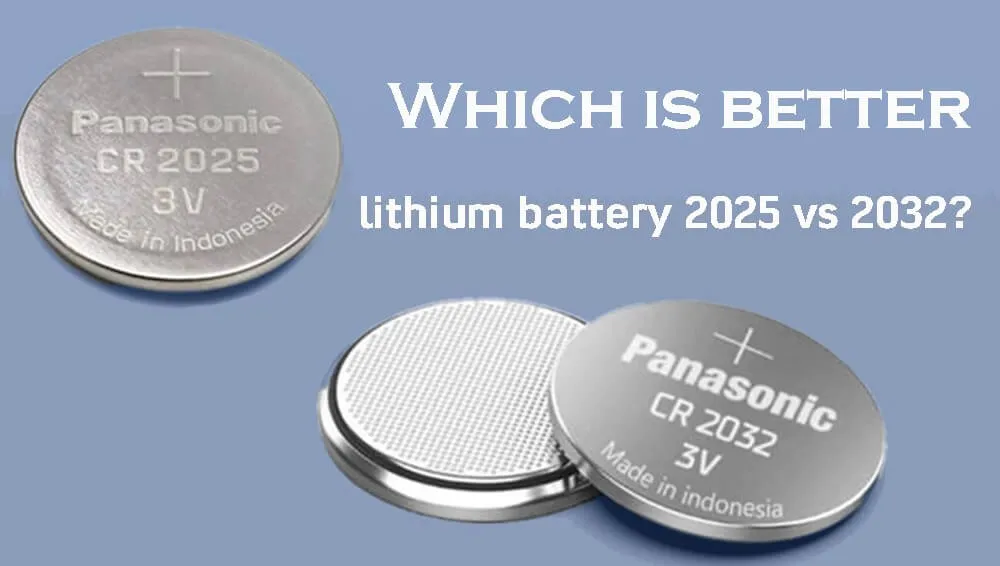
You’ll likely find it doesn't make proper contact. It might jiggle. It might provide intermittent power, making your device act like it’s possessed. You know, blinking erratically, working one second, dying the next. It’s like trying to power a car with a battery that keeps slipping off its terminals – just pure frustration.
And if you try to cram a thicker 2032 into a space designed for a thinner 2025:

You're entering the danger zone, my friend. You'll probably have to apply more force than feels right. This can lead to bending contacts, damaging the battery compartment, or even cracking the device casing. It's the equivalent of trying to zip up jeans that are clearly not meant for you anymore. You might succeed, but something's going to suffer for it.
The Voltage Variable: Different Juices for Different Gadgets
Now, both these batteries are typically 3-volt batteries. So, voltage isn't the primary showstopper here. But even if they miraculously could fit perfectly (which they won't), a device designed for a specific battery size often expects that battery's particular internal resistance and capacity. The 2032 generally has a slightly higher capacity (it holds more "juice") simply because it's bigger.
Using a 2025 where a 2032 is needed is like giving your high-performance sports car a slightly smaller fuel tank. It'll run, sure, but it'll need refueling sooner, and it might not quite hit those peak performances the manufacturer intended. Your device might just die sooner, or struggle under heavy load.
The Moral of the Battery Tale
So, can you use a 2025 battery instead of a 2032? In a word: No.
It’s not just about the fit; it's about the integrity of your device and your own sanity. Trying to force the issue is a recipe for broken battery compartments, unreliable performance, and a whole lot of head-scratching. You'll spend more time troubleshooting and wondering "why isn't this working?!" than you would just popping to the store for the right one.
Save yourself the headache, the bent contacts, and the device drama. When your remote, your car key fob, or your tiny gadget asks for a specific battery, give it exactly what it wants. It’s a small detail, but it makes all the difference between a happy, functional device and a trip to the electronics graveyard. Trust me, your future self, fumbling for the right battery in the dark, will thank you.