Can I Take A Shower In A Lightning Storm

Ever found yourself staring out the window at a spectacular lightning storm, the sky flashing and thunder rumbling, and then thought, "Hmm, maybe a nice warm shower would be cozy right now?" You're definitely not alone! It's one of those quirky, common questions that pops into many people's minds, perhaps fueled by a mix of curiosity and a slight shiver of apprehension. This topic isn't just a fun, hypothetical "what if" scenario; it's genuinely useful because understanding the risks can keep you and your loved ones safe during nature's most dramatic light show. It touches on basic physics, home safety, and a healthy respect for the power of a thunderstorm, making it a surprisingly popular point of discussion.
Understanding why you shouldn't shower during a lightning storm offers benefits for various audiences. For beginners, or anyone new to storm safety, it's a fundamental piece of advice that demystifies a common misconception. You'll learn the simple 'why' behind the warning, giving you practical knowledge for immediate safety. For families, this information is invaluable. It equips parents with the knowledge to protect their children and set clear, easy-to-understand rules when the weather turns wild, ensuring everyone stays out of harm's way. And for the budding hobbyists, perhaps weather enthusiasts or those curious about how electricity works, delving into this topic provides a deeper understanding of how lightning can travel through plumbing and electrical systems in a home, connecting everyday actions to fascinating scientific principles.
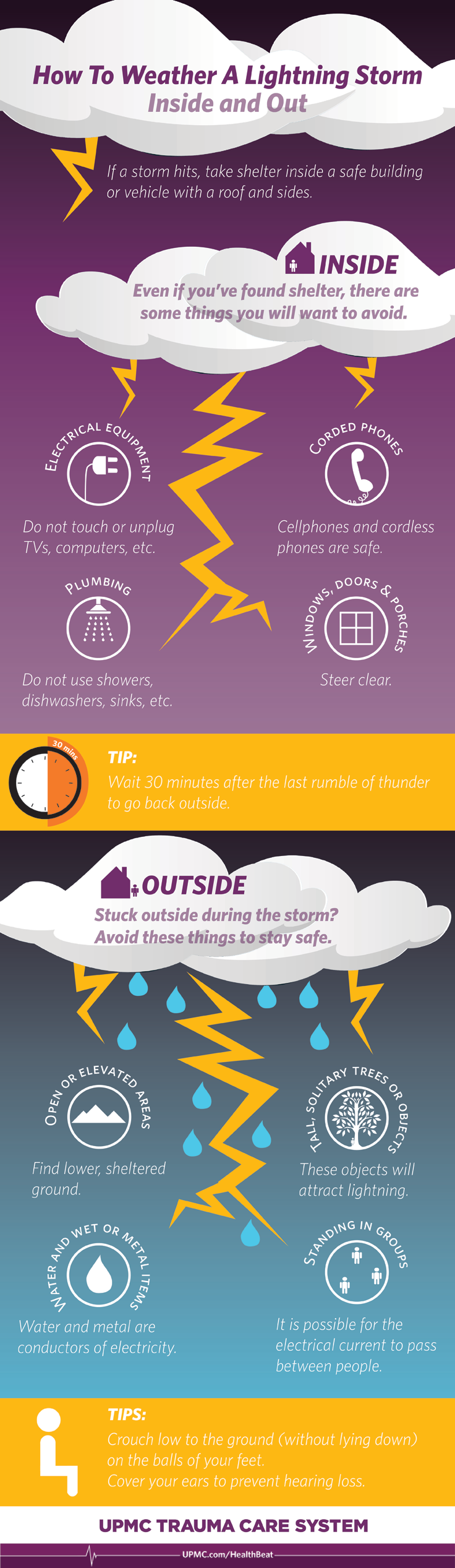
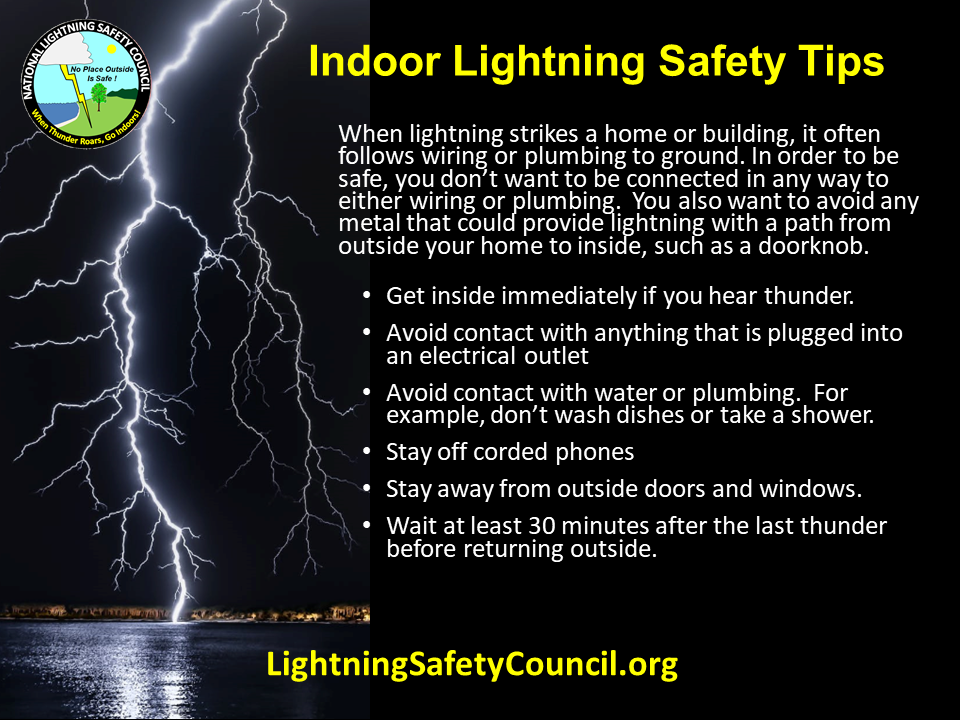
The "don't shower" advice isn't just about direct hits; it's more nuanced than you might think. While a direct strike on your home is rare, lightning can still wreak havoc. Consider this: lightning often strikes utility poles or the ground nearby, and the electrical current can travel through metal pipes and water lines that connect to your house. So, it's not just showers; this also applies to taking a bath, washing dishes, or even doing laundry. Any activity that involves being connected to the house's plumbing system – and therefore the ground – during a storm carries a risk. The electrical charge looks for the easiest path to the ground, and unfortunately, water, especially water flowing through metal pipes, can be an excellent conductor. So, the risk extends beyond the showerhead to anything that creates a pathway for that electricity into your immediate environment.
Must Read
So, what are the simple, practical tips for staying safe? It boils down to this: when thunder roars, go indoors and stay away from plumbing and electronics. Firstly, and most importantly, avoid showering or bathing during a lightning storm. It's truly the safest bet. Secondly, steer clear of all faucets, sinks, and any other water sources until the storm has passed. Think about it: if water pipes are metal, they're like giant wires coming into your house. Thirdly, it’s also wise to unplug sensitive electronics and avoid using corded phones (cell phones are generally fine as they aren't physically connected to your home's wiring). The general rule of thumb is to wait at least 30 minutes after you hear the last clap of thunder before resuming normal activities that involve water or electricity. This "30-minute rule" gives the storm ample time to move on.
Ultimately, knowing this simple fact about lightning and showers isn't about fostering fear, but about empowering you with practical knowledge for safety and peace of mind. There's a certain enjoyment in understanding the world around you, even its more dangerous aspects. So, the next time a storm rolls in, instead of contemplating a risky rinse, you can confidently opt for a cozy, dry spot on the couch, perhaps with a warm drink, and enjoy nature's magnificent display from a truly safe distance. Staying dry and safe during a storm lets you appreciate its power without becoming a part of its electrical circuit!