
Can I Plug My Heater Into An Extension Cord
Okay, let's talk about something that gets a lot of us scratching our heads as soon as the temperature drops: heaters and extension cords. Can you? Should you? Is your quest for cozy about to turn into an electrical adventure you didn't sign up for? Fear not, friend! We're diving in, and I promise, it’s not as scary as it sounds. (Although, electricity can be a little scary if you don't respect it.)
The Burning Question (Pun Intended!)
The short, sweet answer is: it depends. Yep, classic cop-out answer, I know. But stick with me! It’s not always a flat-out "no," but it's definitely a "proceed with caution and a healthy dose of understanding." Think of it like that amazing-looking street food you see on vacation. Potentially delicious, potentially… less so if you don't know what you're doing. Extension cords and heaters are similar!
Heaters, especially space heaters, are power-hungry little beasts. They require a lot of electricity to generate that glorious warmth that keeps you from turning into a human popsicle. This means they can put a serious strain on your electrical system. And guess what extension cords are? Part of your electrical system! (Mind. Blown. Right?)
Must Read
The Villain: Overloading the Circuit
Here's the main worry: overloading the circuit. Your electrical circuits are designed to handle a certain amount of current (measured in amps). When you plug a high-wattage heater into an extension cord that isn't rated for that kind of power, you're essentially asking the cord to do something it can't handle. Imagine trying to drink an entire gallon of milk in one go. Not pretty. The cord gets hot, the circuit breaker might trip (or worse, it might not!), and you're looking at a potential fire hazard. No bueno.
So, how do you avoid this fiery fate? Let's get down to the specifics.

Decoding the Extension Cord
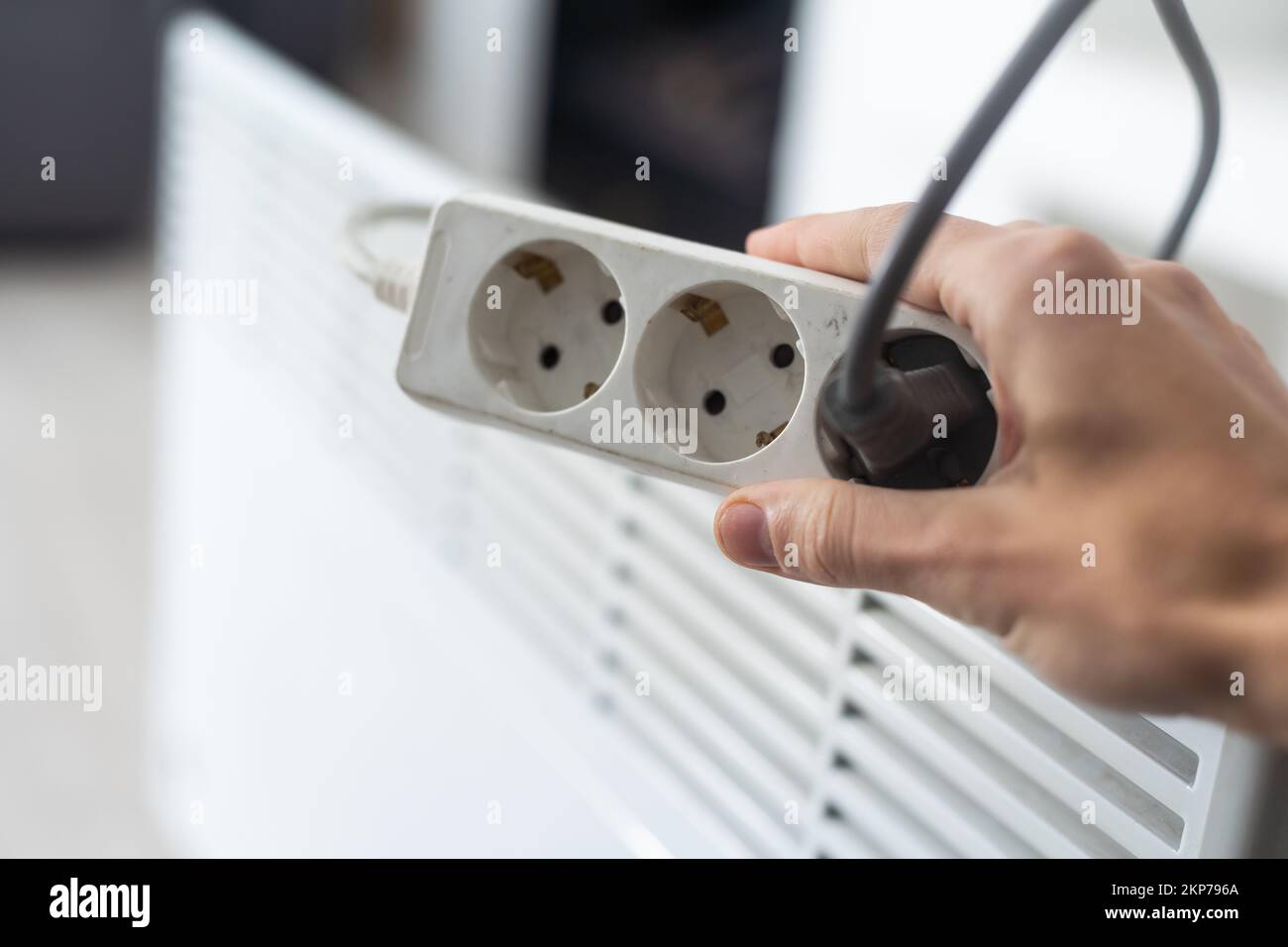
First things first, examine your extension cord. Look for the fine print. Seriously, grab your glasses if you need them. You're looking for the following:
- Wattage rating: This tells you the maximum wattage the cord can handle.
- Amperage rating: This tells you the maximum current the cord can handle. They’re related!
- Gauge: This indicates the thickness of the wires inside the cord. Lower gauge numbers (like 12 or 14) mean thicker wires, which can handle more current. Think of it like the diameter of a water hose – a wider hose lets more water through.
Pro tip: A heavy-duty extension cord with a lower gauge (like 12 or 14) is always a better choice than a flimsy, thin one. Especially for something like a heater!
Know Your Heater's Appetite
Next, check your heater. It will have a label (usually on the back or bottom) that tells you its wattage. This is the crucial number you need.
Now, do a little math (don't worry, it's easy!): Make sure the heater's wattage is less than or equal to the extension cord's wattage rating. If it's higher, do not use that extension cord! It’s just not worth the risk. Think of it like trying to fit a size 12 foot into a size 8 shoe. Ouch!

A Few Golden Rules for Extension Cord Happiness
Even if the numbers check out, keep these things in mind:
- Short and Sweet: The shorter the extension cord, the better. Longer cords have more resistance, which can reduce their ability to deliver power safely.
- Direct Line: Ideally, you should plug your heater directly into a wall outlet. Extension cords should be a last resort.
- No Daisy-Chaining: Don't plug one extension cord into another, and definitely don't plug multiple high-wattage devices into the same extension cord. It's like inviting trouble over for tea.
- Inspect Regularly: Check your extension cords for any damage, like frayed wires or cracked insulation. If you see anything suspicious, retire that cord immediately!
Bottom line: When in doubt, err on the side of caution. A little extra awareness can save you from a lot of headaches (and potentially a lot more). Is that extra cozy feeling really worth risking a fire? I didn't think so.
Beyond Extension Cords: Power Strips? Surge Protectors?
Quick note on power strips and surge protectors: While they might seem like a convenient solution, most are not designed to handle the high wattage of a space heater. Check the ratings carefully. Again, err on the side of caution. You want surge protection for your electronics, sure, but don't confuse it with heater-handling power!
Embrace the Electrical Enlightenment!
See? Understanding your extension cords and heater wattage isn't rocket science! It's all about being informed and making smart choices. Now that you're armed with this knowledge, you can navigate the world of electrical safety with confidence. And that, my friend, is a superpower in itself!
Don't stop here! There's a whole world of electrical safety information out there waiting to be discovered. Research your local building codes, learn about GFCI outlets, and become a true electrical guru! The more you know, the safer (and cozier!) your home will be. So go forth, be safe, and stay warm!