
Can Fire Detectors Detect Carbon Monoxide
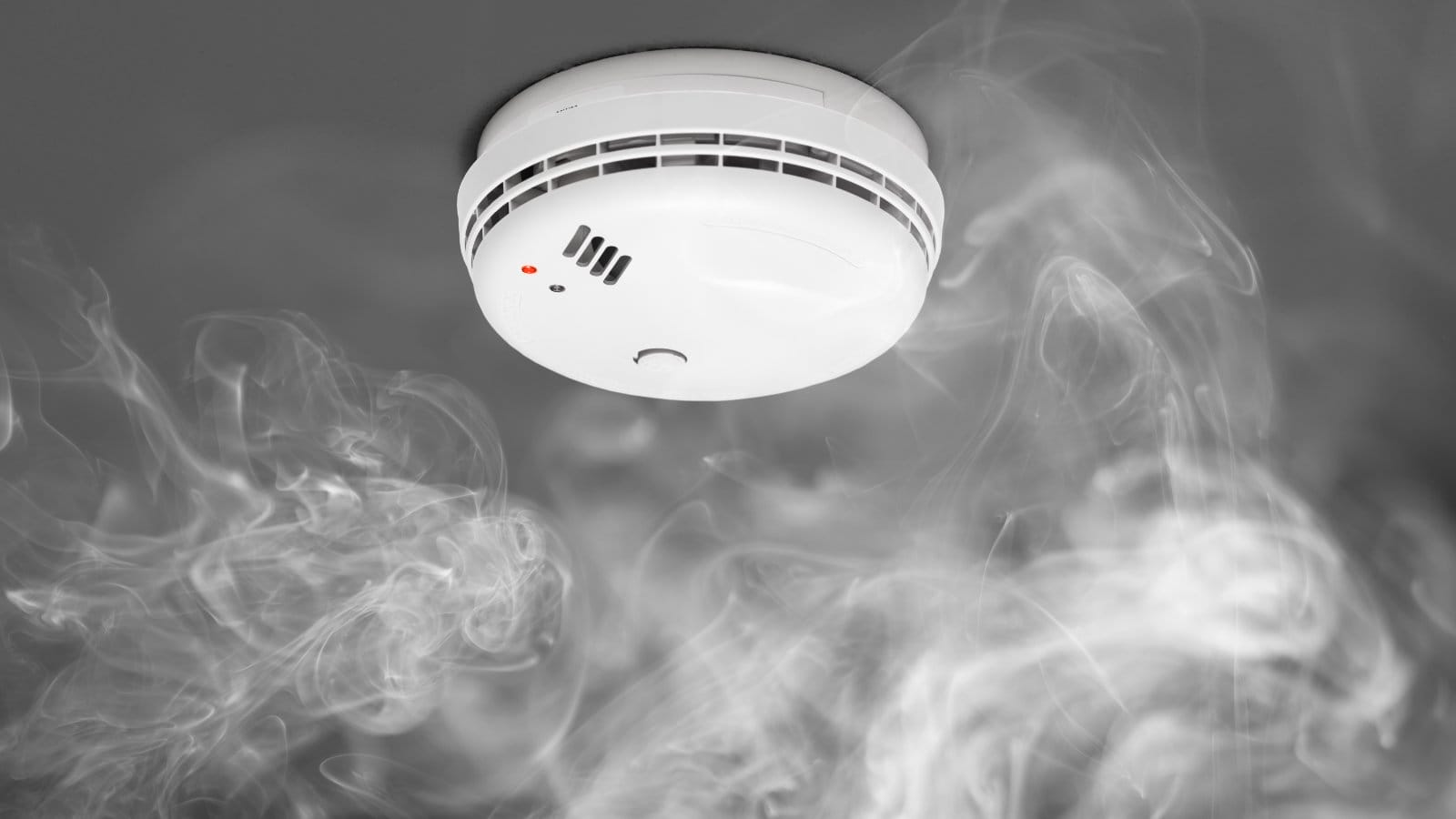
Alright, let’s talk about those little round (or sometimes square) heroes on our ceilings. You know, the ones that shriek like a banshee when you accidentally burn toast, or decide to remind you they exist with an infuriating chirp at 3 AM. We’re talking about smoke detectors, folks!
Now, here’s a common head-scratcher that pops up more often than you’d think: "Can my trusty smoke detector also sniff out carbon monoxide?" It’s a fair question! They both deal with invisible threats, right? They both have batteries, and they both love to make a loud fuss. It's easy to assume they're like two peas in a pod, or maybe even identical twins with different hobbies.
The Great Detector Divide: Smoke vs. CO
Let's clear the air, quite literally. Picture this: Your smoke detector is like that friend who’s super sensitive to drama. They can spot a burnt dinner from a mile away, sense a forgotten popcorn bag in the microwave, and immediately sound the alarm. They're looking for visible particles, heat, or actual smoke. Think of them as the bouncer at the club, only letting in fresh air and good vibes, not smoky party crashers.
Must Read
But when it comes to carbon monoxide? Well, that's a whole different beast. Imagine CO as the ultimate stealth ninja. It’s invisible, it’s odorless, and it’s completely silent. It doesn't send up any smoke signals, it doesn't smell like anything burning, and it doesn't give a little puff of steam. So, while your smoke detector is busy watching for tell-tale signs of fire, the CO ninja could be sneaking around completely undetected, right under its nose.
The short, sweet, and incredibly important answer is: No, a standard smoke detector cannot detect carbon monoxide. They are designed to do two very different jobs, using two very different technologies.

Why the Confusion? And My Car Analogy!
It’s understandable why we mix them up. They’re both essential safety devices, they often live in similar places in our homes, and frankly, who has time to read the tiny print on every household gadget? It’s like expecting your car’s horn to tell you if your tire pressure is low. Both are vital parts of the car, but they perform wildly different functions! One makes noise to alert danger, the other monitors a specific, invisible condition. Same deal with detectors.
A smoke detector has sensors looking for combustion particles or changes in light caused by smoke. A carbon monoxide detector, on the other hand, has a specialized electrochemical sensor that reacts specifically to CO gas molecules. It's like comparing a security camera that spots intruders (smoke) to a metal detector that finds hidden weapons (CO). Different tools for different threats!
The Silent Killer: Why CO is Such a Big Deal
Carbon monoxide is often called the "silent killer" for a reason. It comes from things we use every day: furnaces, water heaters, gas stoves, fireplaces, and even cars left running in an attached garage. When these appliances aren't working properly or aren't properly ventilated, CO can build up. And because you can't see it, smell it, or taste it, it can quietly fill a room while you’re none the wiser. It displaces oxygen in your blood, making you sick and, in severe cases, it can be fatal.
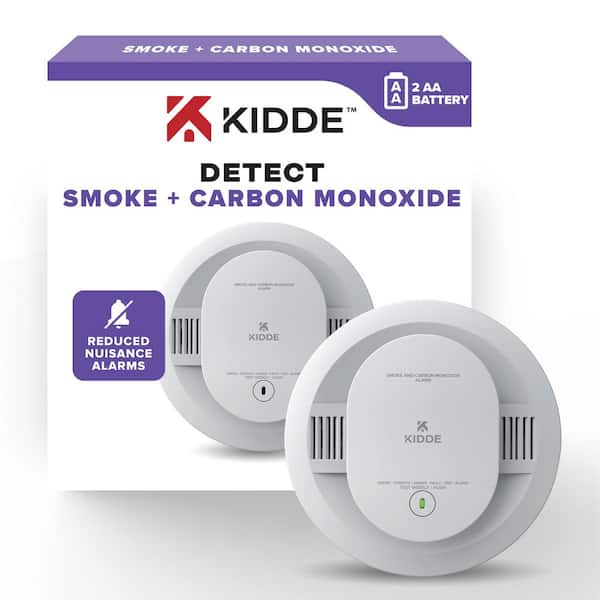
This is why having a dedicated carbon monoxide detector is not just a good idea, it’s a non-negotiable must-have. Don't rely on your smoke alarm to be the all-knowing guardian for every single invisible threat your home might face.
The Best of Both Worlds: Combo Units!
Now, before you rush out and buy a separate device for every corner of your house, there’s good news! Many manufacturers offer "combo" units. These clever gadgets are like the Swiss Army knives of home safety. They contain both a smoke detector and a carbon monoxide detector in one sleek package. It’s like getting a two-for-one deal on peace of mind!
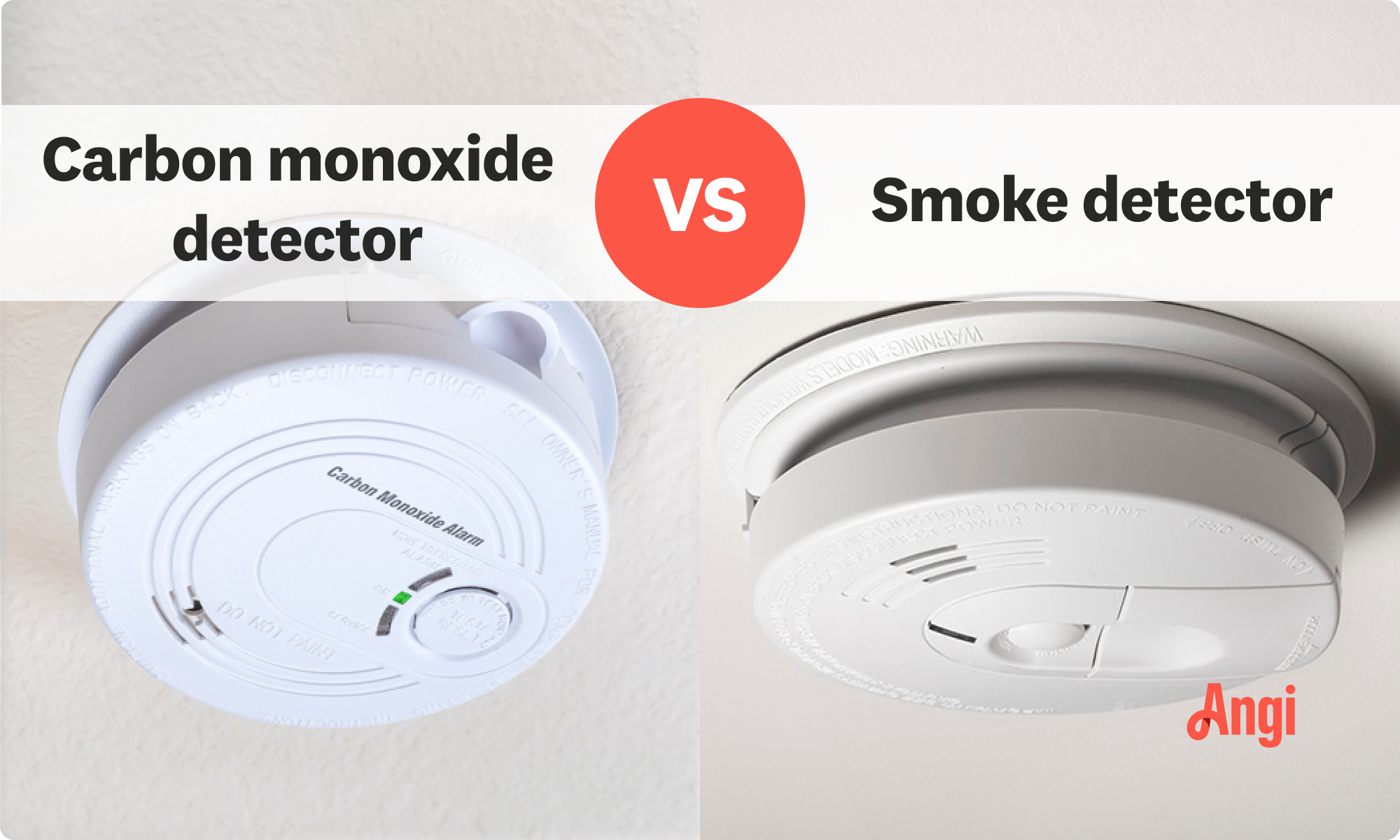
These combo units are fantastic because they simplify things and ensure you're covered for both types of emergencies. Just make sure you’re checking the packaging to confirm it explicitly states it detects both smoke and carbon monoxide.
The Takeaway: Don't Guess, Just Check!
So, the next time you're giving your detectors a loving glance (or frantically silencing them after a culinary mishap), remember this:
- Your standard smoke detector is a superhero against fire.
- It's not equipped to fight the invisible threat of carbon monoxide.
- You need a separate carbon monoxide detector or a combo unit for proper protection.
Give your home the full safety squad it deserves. Test your detectors regularly, know what kind you have, and if you don't have a CO detector, please consider getting one. Your lungs (and your peace of mind) will thank you!
