
Can Epsom Salt Be Used To Melt Ice

Picture this: You wake up, excited for a snow day. But then you peek out the window. Oh, the horror! It's not a fluffy, whimsical blanket of snow; it's an icy, treacherous tundra! What's a person to do?
The usual suspects rush to mind: rock salt, kitty litter (desperate times!), maybe even that old bag of sand your uncle swore by. But what about…Epsom salt? Could your bath-time best friend actually be a secret weapon against winter's icy grip?
Epsom Salt: More Than Just a Soothing Soak
Most of us know Epsom salt, or magnesium sulfate, as the stuff that makes your muscles say "aaah" after a long workout or a particularly stressful day. It's a staple in many bathrooms, promising relaxation and relief.
Must Read
We dissolve it in warm water, maybe add some lavender oil, and pretend we're at a fancy spa. But can this humble bathroom staple pull double duty as an ice melter?
The De-Icing Dilemma: A Salty Situation
Before we dive into Epsom salt's potential as a de-icer, let's talk about the traditional go-to: rock salt. Rock salt, or sodium chloride, works by lowering the freezing point of water.
Think of it like this: pure water freezes at 32°F (0°C). But add salt, and suddenly that water needs to get colder to turn into ice. This is why salted roads can stay ice-free even when the temperature dips just below freezing.
However, rock salt has its downsides. It can be corrosive to concrete and metal, potentially damaging sidewalks, driveways, and even your car.
Plus, it's not exactly environmentally friendly, as it can contaminate soil and water sources. So, finding a gentler alternative is a worthwhile quest.
:max_bytes(150000):strip_icc()/VWH-Epsom-Salt-3-f97744c1dfa0463a87129c0d08c682a3.jpg)
Epsom Salt: A (Potentially) Kinder, Gentler Ice Melter?
So, back to our original question: can Epsom salt melt ice? The short answer is…sort of. Like rock salt, Epsom salt can lower the freezing point of water.
This means it can help melt ice, but there are some important caveats. It's generally considered less effective than rock salt, especially at very low temperatures. Think of it as a good option for light ice or preventative measures, rather than a blizzard-busting powerhouse.
The upside? Epsom salt is often touted as being less harmful to vegetation and concrete than rock salt. This is because of its chemical composition. Magnesium sulfate is generally considered less corrosive than sodium chloride.
The Great Epsom Salt Experiment (aka: Shoveling Required)
Let's be honest, the best way to find out if something works is to try it! So, grab that bag of Epsom salt from under your sink and head outside (carefully, of course!).
Sprinkle a thin layer of Epsom salt on your icy steps or sidewalk. Now, wait. And…wait some more. If the temperature is just around freezing, you should see some melting action.
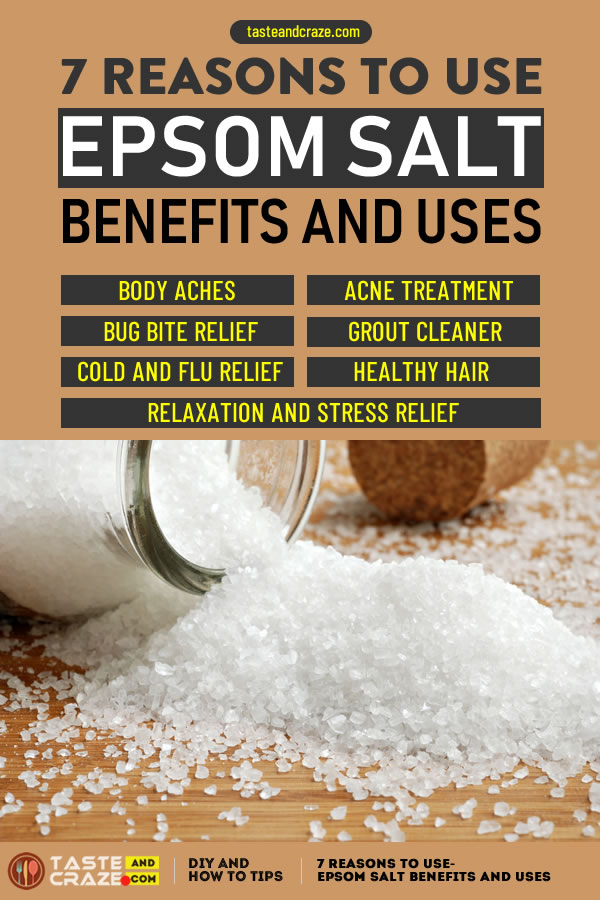
But if it's seriously cold, you might be disappointed. In that case, you'll likely need to supplement with good old-fashioned shoveling.
Pro Tip: For the most effective de-icing, use warm water with your Epsom salt. This will help speed up the melting process. Be careful not to create more ice in the process.
Epsom Salt vs. Rock Salt: A Head-to-Head Comparison
Okay, let's break it down. Here's a quick comparison of Epsom salt and rock salt for ice melting:
- Effectiveness: Rock salt is generally more effective at melting ice, especially at lower temperatures.
- Environmental Impact: Epsom salt is often considered less harmful to plants and the environment.
- Corrosiveness: Epsom salt is generally considered less corrosive to concrete and metal.
- Cost: The cost can vary, but rock salt is often cheaper than Epsom salt.
Ultimately, the best choice depends on your specific needs and priorities. If you need serious ice-melting power, rock salt might be the way to go. But if you're looking for a gentler option for light ice, Epsom salt could be a good alternative.
Beyond the Sidewalk: Epsom Salt's Winter Wonders
Even if Epsom salt isn't a perfect ice melter, it can still be a valuable tool during the winter months. Think about using it in smaller, more controlled applications.

For example, you could sprinkle it on icy patches in your garden (away from plants, of course!) or use it to help melt ice that's formed on your car windows.
Just remember that Epsom salt can still have some impact on the environment, so use it sparingly and responsibly.
A Grain of Salt (and a Sprinkle of Epsom Salt)
So, can Epsom salt melt ice? Yes, but with a grain of salt (pun intended!). It's not a miracle cure for icy conditions, but it can be a helpful tool, especially for light ice or preventative measures.
And hey, even if it doesn't completely eliminate the ice, at least you'll have some relaxing bath salts on hand for when you're done shoveling!
The key takeaway is to be prepared. Have a variety of de-icing options available, including a good shovel, some rock salt, and maybe even a bag of Epsom salt for those less intense icy moments.

Winter's Icy Grip: A Final Word
Winter can be beautiful, but it can also be challenging. Dealing with ice and snow is just a part of life in many regions.
Whether you choose to use rock salt, Epsom salt, or another de-icing method, remember to prioritize safety. Wear appropriate footwear, take your time, and be mindful of your surroundings.
And who knows, maybe that bag of Epsom salt will not only help melt a little ice, but also provide a little bit of peace and relaxation during the winter months. Stay safe and warm!
Maybe even consider a warm foot soak after battling the ice! Your muscles will thank you.
Ultimately, the best weapon against winter's icy grip is a combination of knowledge, preparation, and a good sense of humor. So, embrace the snow, be safe, and don't be afraid to experiment with different de-icing methods. Just maybe don't rely solely on bath salts to clear your driveway after a blizzard!