
Can Class K Fire Extinguishers Be Used On Any Fire
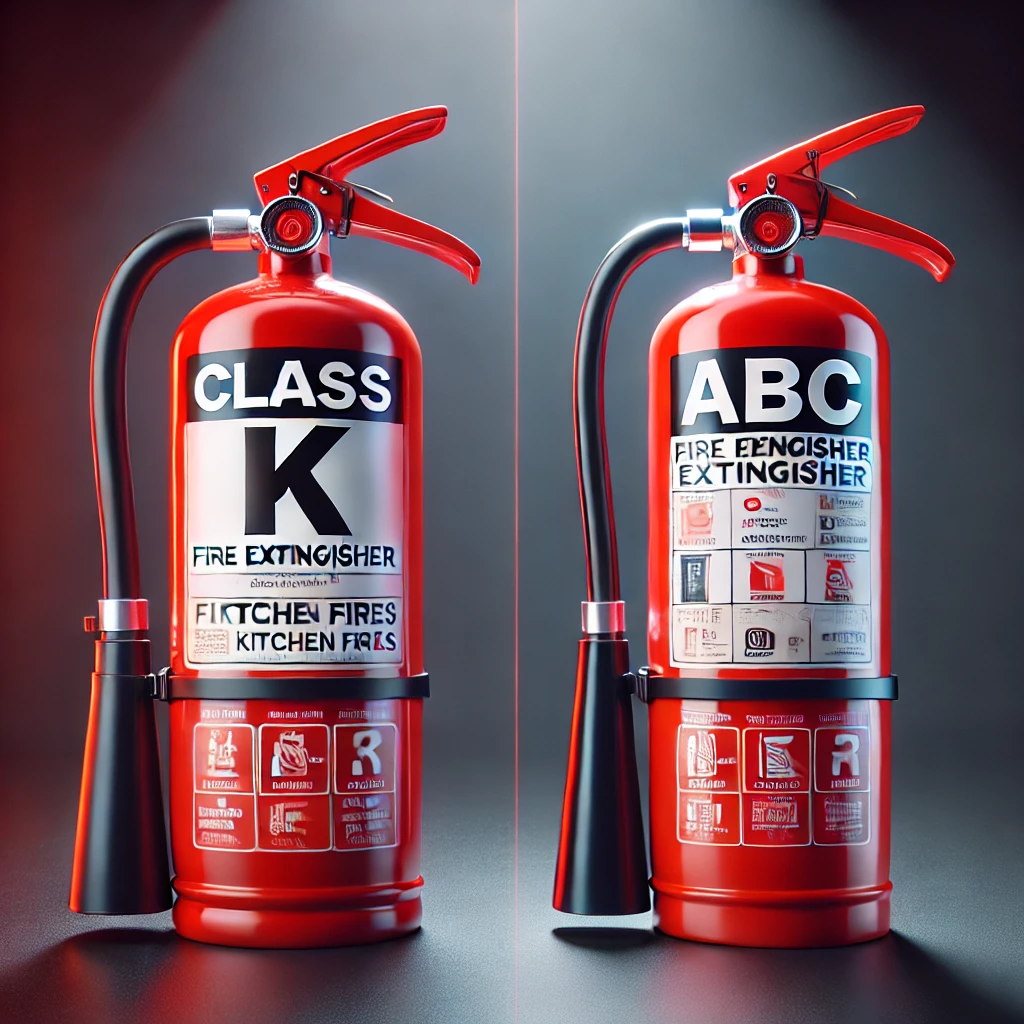
Hey there, fellow kitchen adventurer! Ever been mid-sizzle, perfecting that Sunday brunch bacon, when suddenly a little grease gets a bit too enthusiastic and decides to throw a mini fiery tantrum? It happens to the best of us. In those fleeting moments of panic, your eyes dart around, desperately searching for a hero. Often, that hero comes in the form of a fire extinguisher.
But here’s a question that might make you pause, especially if you’ve got one of those sleek, silver beauties often found in commercial kitchens or even some very well-equipped home ones: Can a Class K fire extinguisher be used on any fire? It’s a great question, and the answer, much like trying to bake a soufflé, is a little more nuanced than a simple yes or no. Let's spill the tea, or rather, extinguish the grease fire, on this one!
What's a Class K, Anyway? Meet the Grease-Fighting Guru!
Imagine your fire extinguishers as a team of superheroes, each with a very specific, incredibly important power. The Class K fire extinguisher? It's the specialized chef of the group, designed with one ultimate mission: to tackle fires involving cooking oils and fats. Think deep fryers, woks, those big industrial griddles, or even your humble frying pan overflowing with enthusiastic bacon grease.
Must Read
The "K" in Class K actually stands for "kitchen," which is a pretty big hint about its favorite stomping ground. These fires, caused by combustible cooking media, burn at incredibly high temperatures and need a very particular kind of intervention. Trying to put them out with water is like trying to convince a toddler that vegetables are dessert – it’s just going to make things much, much worse, potentially spreading the fire or even causing a dangerous steam explosion. No thanks!
The "One-Trick Pony" Dilemma: Why Not for Everything?
So, if a Class K is so brilliant at fighting grease fires, why can't it be our all-in-one fire-fighting friend? Well, remember our superhero analogy? While our chef-hero is amazing with grease, they're not so great at, say, stopping a runaway train. Or in fire terms, tackling a pile of burning newspapers.
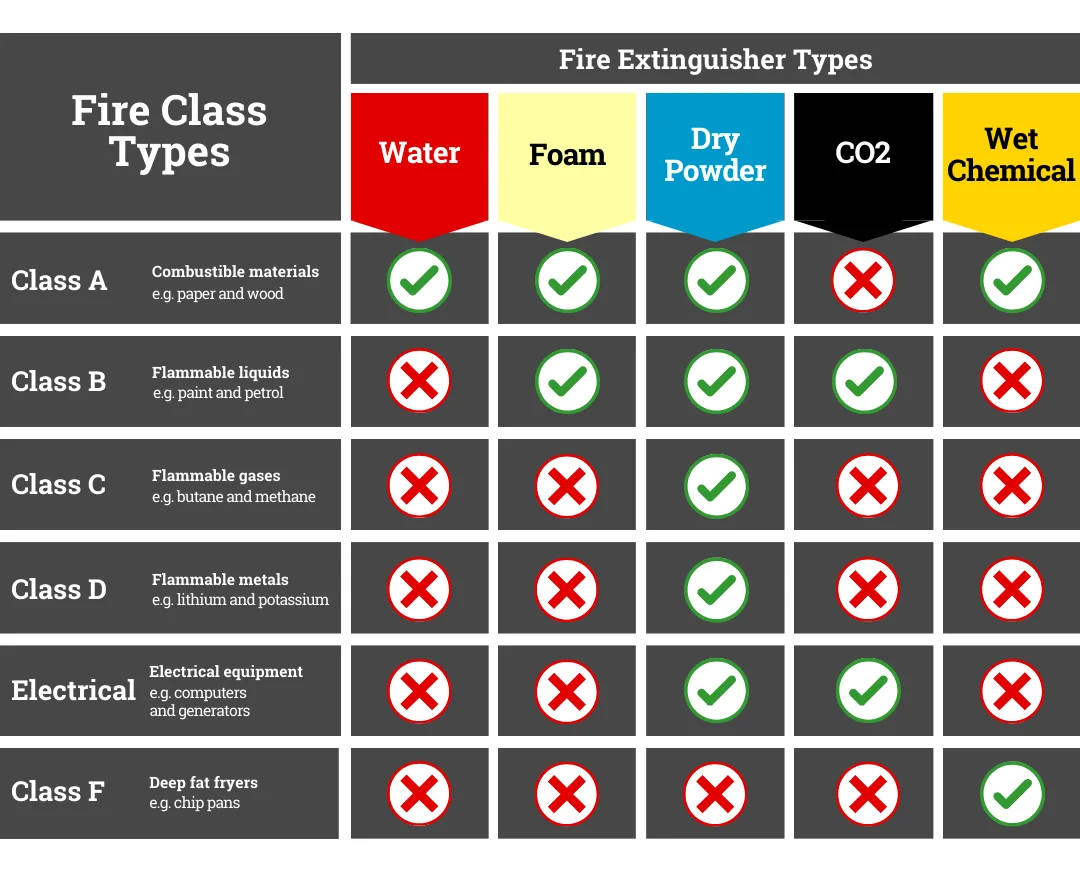
Trying to use a Class K on a wood fire, a stack of cardboard boxes, or even an electrical fire is like trying to cut a steak with a spoon. It’s just not designed for that. Its special extinguishing agent, often a wet chemical, works by creating a soapy foam layer over the burning oil, smothering it and cooling it down. This specific chemical reaction is incredibly effective on super-hot grease but would be mostly useless – and potentially dangerous – on other types of fires.
Picture this: you try to spray it on a faulty electrical outlet that’s sparking away. Not only would it likely not put out the fire effectively, but the wet chemical agent could actually conduct electricity, putting you at risk of a nasty shock. Yikes! Or imagine using it on a cozy campfire that got a bit too ambitious. It might just make a giant, messy, ineffective foam pile instead of actually extinguishing the wood embers.
So, Why Should You Care About This Alphabet Soup of Fire Safety?
This isn't just about obscure regulations for restaurant owners; it’s about keeping your own home and loved ones safe! Knowing your fire extinguishers is like knowing which tool to grab from your toolbox. You wouldn't use a hammer to tighten a screw, right? The same logic applies to fire safety.

Imagine the relief of grabbing the right extinguisher when that bacon fire decides to go rogue. You'll be the calm, collected hero, not the frantic person trying to battle a blaze with the wrong weapon, potentially making the situation much worse. It saves your kitchen, your favorite apron, and most importantly, your peace of mind.
Understanding the limitations of a Class K means you'll be better equipped to handle a variety of emergencies. It means less property damage, fewer potential injuries, and a much quicker return to normalcy (and perhaps, less adventurous cooking). Knowledge truly is power, especially when it comes to fire safety!
The Rest of the Fire Extinguisher Crew: A Quick Intro
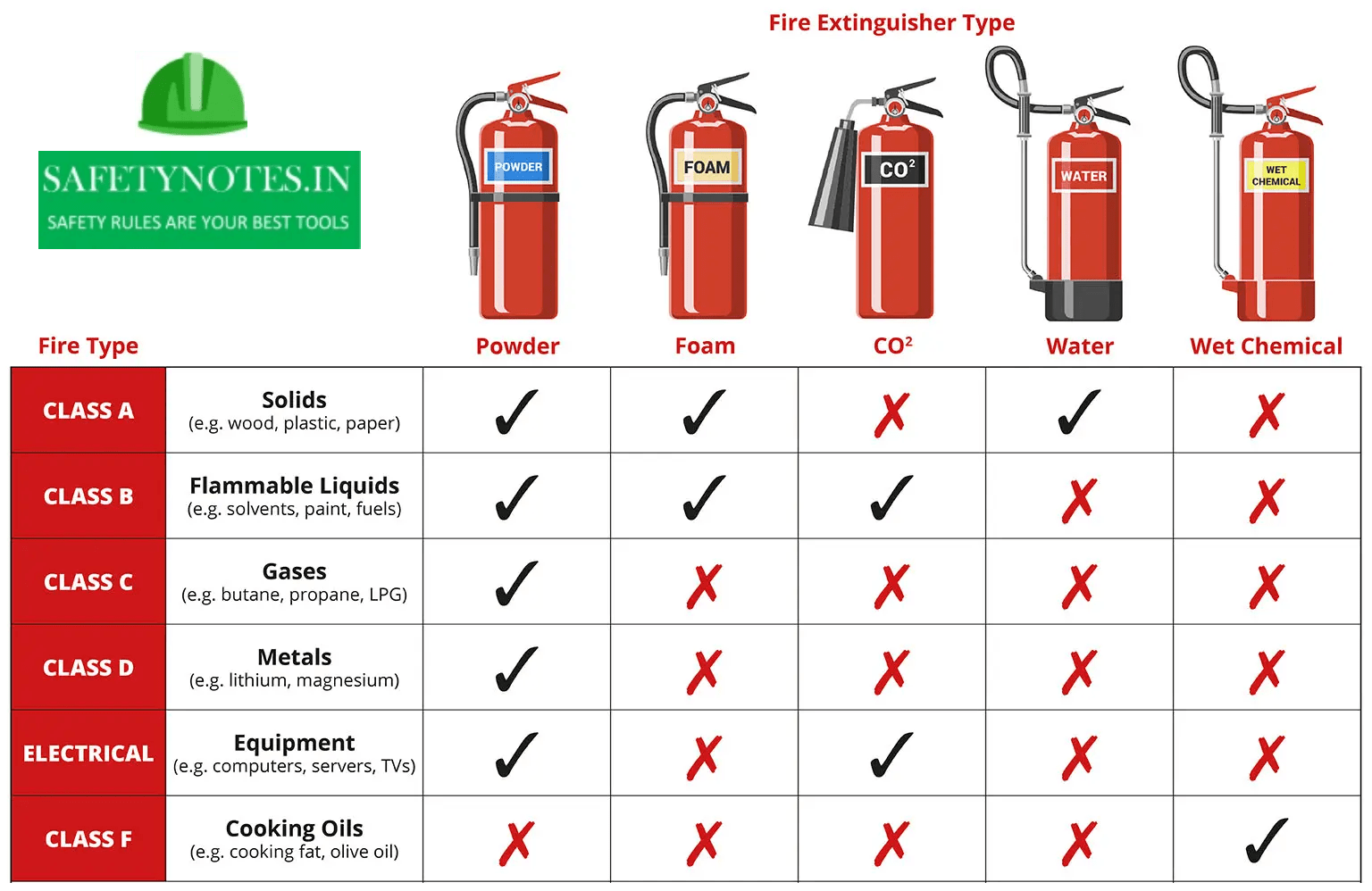
Just for context, here’s a super quick rundown of some other fire extinguisher heroes you might encounter:
- Class A: For ordinary combustibles like wood, paper, cloth. Think campfires or a burning wastebasket.
- Class B: For flammable liquids like gasoline, oil, paint.
- Class C: For electrical fires (live circuits, appliances).
Many homes have a general-purpose ABC extinguisher, which is like the Swiss Army knife of fire safety, handling ordinary combustibles, flammable liquids, and electrical fires. But even the ABC has its limits – especially when it comes to those super-hot cooking oils!
Your Kitchen's Best Friend: Class K Where It Belongs
So, the next time you see a Class K extinguisher, give it a little nod of appreciation. It's a fantastic piece of safety equipment, but it’s a highly specialized one. It’s the expert for deep-fat fryers and hot grease, designed to take down those specific, high-temperature kitchen infernos with remarkable efficiency and safety.

Think of it as having a gourmet chef on standby for your kitchen, ready to handle the toughest culinary fire challenges, but not necessarily equipped for a general household blaze. It excels in its niche.
The bottom line? While Class K fire extinguishers are absolute superstars for kitchen grease fires, they are emphatically not for every fire. Make sure you have the right kind of extinguisher for the potential fires in different areas of your home or business. A little bit of knowledge now can make a huge difference when seconds count.
Stay safe, keep cooking, and know your fire extinguisher alphabet!