Can Air Conditioners Cause Carbon Monoxide Poisoning

Alright, folks, let's talk about that wonderful box in your window or humming quietly outside your house: the air conditioner. It’s a summer savior, a humidity slayer, a purveyor of pure comfort. But have you ever, deep down, in that tiny, conspiratorial corner of your brain, wondered... can my AC unit actually give me carbon monoxide poisoning?
Go ahead, admit it. It's an "unpopular opinion" thought, right? Most people would probably scoff. "Nonsense!" they'd declare. "My AC just cools the air! It's not a furnace!" And they'd be mostly right. Mostly.
But here’s where my slightly mischievous inner monologue kicks in. While your friendly neighborhood air conditioner itself doesn't spew out that silent, invisible killer, Carbon Monoxide (or CO for short), it can sometimes get caught up in a very unfortunate, very dangerous chain of events. So, grab a cold drink, crank up that AC (safely, of course!), and let's playfully debunk and then re-bunk this idea.
Must Read
The Big "No" (Mostly)
Let's get the main thing out of the way. Your standard, electric air conditioner doesn't burn anything. Zip. Nada. It works by moving refrigerant around, compressing it, expanding it, and using fans to blow cool air. Think of it like a very efficient refrigerator for your entire house. Since there's no combustion, there's no carbon monoxide being produced directly by the AC unit itself.
"So, my AC is innocent then?" you might ask. "It's just chilling out, literally?"
Well, yes. Your AC unit, as a standalone piece of equipment, is as innocent as a puppy with big, sad eyes. It’s not the villain of our story. But sometimes, even innocent parties can get mixed up with the wrong crowd. And in the world of home comfort, the "wrong crowd" often involves things that do burn fuel.
The Plot Thickens: When Good ACs Go Bad (Indirectly)
Here’s the rub. While your AC isn't a CO factory, it's a fantastic air circulator. And that's where the danger can sneak in. Imagine your AC unit as the innocent messenger, unknowingly delivering bad news from another source.
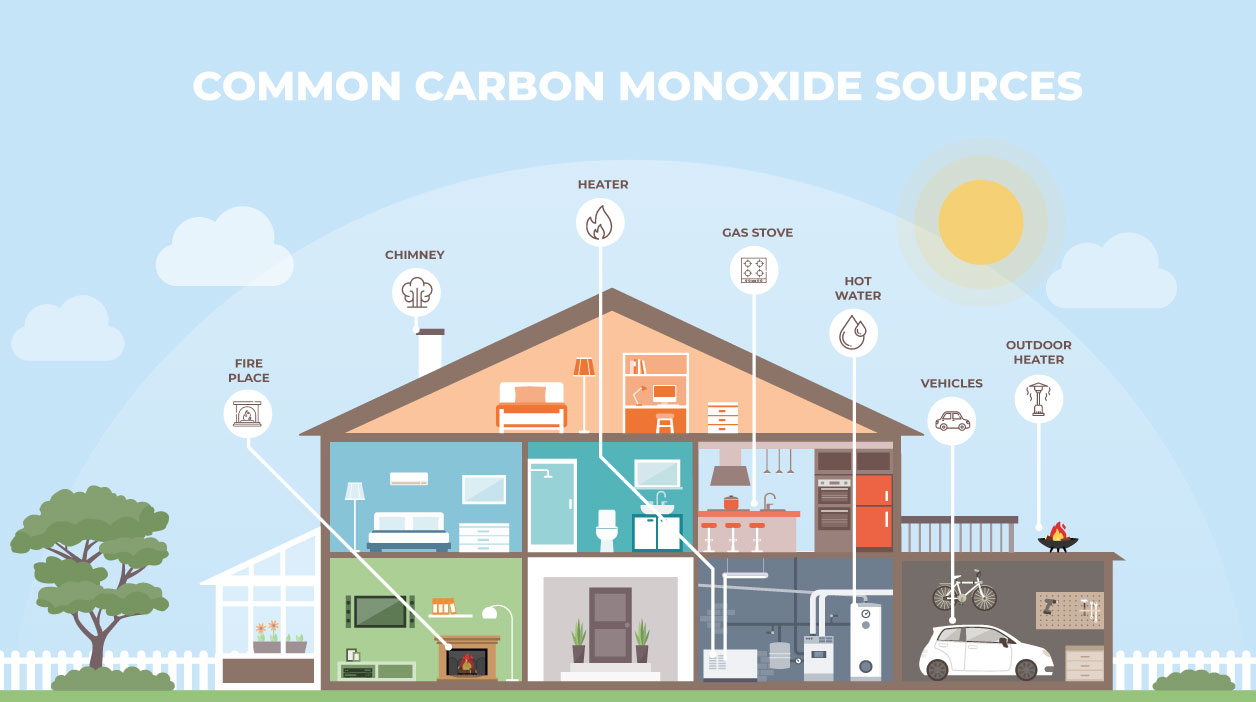
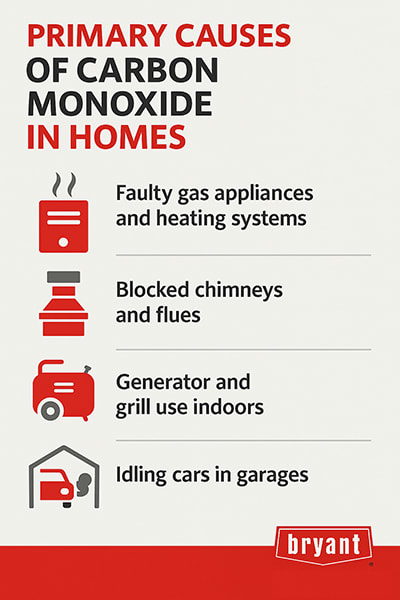
Think about things that do produce carbon monoxide: gas furnaces, gas water heaters, fireplaces, wood stoves, gas ranges, car engines (never run these indoors!), and those trusty portable generators we all rely on during a power outage.
Scenario One: The Sneaky Neighbor
Let's say you have a gas furnace that shares ductwork with your AC. If that furnace (especially an older one) develops a crack in its heat exchanger, it can leak CO into your home's air circulation system. Your AC, doing its job, will then happily distribute that deadly gas throughout your house. It’s not the AC's fault, but it's playing a very dangerous role.

Scenario Two: The Garage Gambit
Perhaps you pull your car into the attached garage, forget to turn it off completely (it happens!), and leave the garage door open. If there’s a window or even a tiny gap where your AC is pulling in outside air, that CO from your idling car can get sucked right into your home and, you guessed it, distributed by your AC.
Scenario Three: The Power Outage Panic
This is a big one. It's hot, the power is out, and you desperately want some relief. You fire up your portable generator. Awesome! But where do you put it? If that generator is too close to an open window, a vent, or even right outside a wall-mounted AC unit's intake, the exhaust fumes (packed with CO) can easily drift inside. Even if your AC isn't running, the potential for CO entry is there, and when power returns, if the generator fumes lingered, your AC could then move them around.
The Bottom Line: Be Smart, Be Safe
So, can your AC cause carbon monoxide poisoning? No, not directly. But can it become an unwitting accomplice, a silent partner in crime, by circulating CO from other sources within your home? Absolutely!
This isn't about blaming your innocent cooling unit. It's about being aware of the environment it operates in. Here are some playful, yet deadly serious, tips:
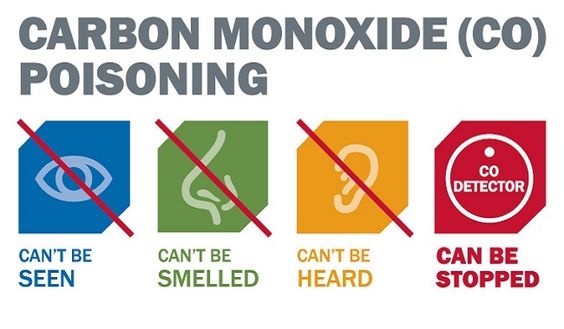
- Get a CO Detector (or several!): These are your best friends. They're like tiny superheroes constantly sniffing the air for trouble. Install them near sleeping areas and on every level of your home. Test them regularly!
- Maintain Your Appliances: Have your gas furnace, water heater, and other combustion appliances professionally inspected annually. A little preventative maintenance goes a long way.
- Generators Outdoors, Always: If you use a portable generator, always place it far away from windows, doors, and vents. Point the exhaust away from your home.
- Garage Rules: Never leave a car idling in an attached garage, even with the door open.
So, the next time someone confidently declares that ACs can't cause carbon monoxide poisoning, you can give them a knowing wink. "Not directly, perhaps," you might say, "but they can sure help it get around!" Stay cool, stay safe, and keep those CO detectors happy!