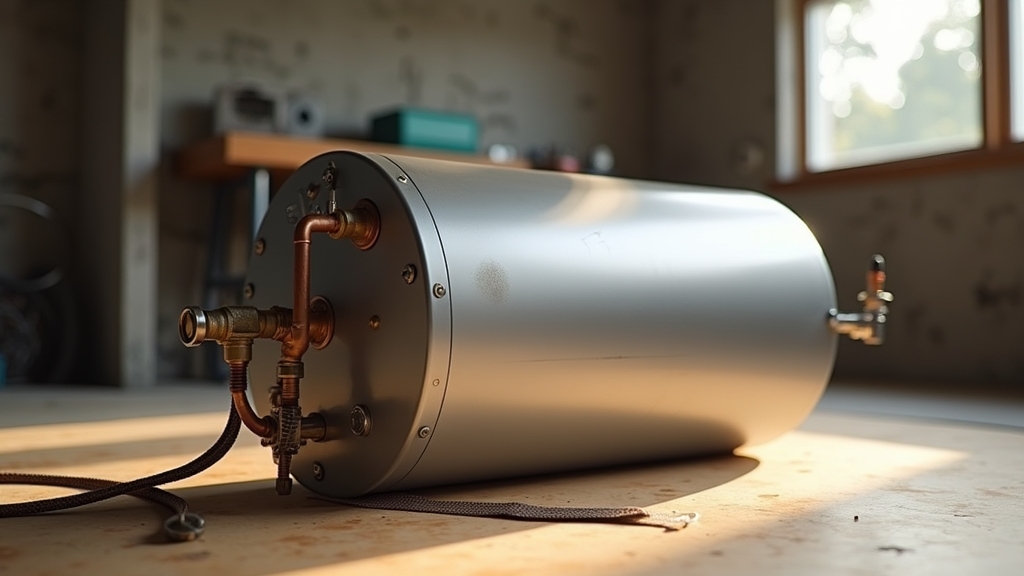
Can A Water Heater Be Transported On Its Side

Let's face it, talking about water heaters isn't exactly a thrill ride. But figuring out how to get one from point A to point B? That's a puzzle worth solving, especially when you're staring down the barrel of a cold shower! The burning question – can you actually transport a water heater on its side? The answer, as with most things, is a bit more nuanced than a simple yes or no. And that's what makes it surprisingly fun to unpack.
Why is this even important? Well, for the beginner DIYer, simply understanding the do's and don'ts can prevent a costly mistake. Imagine accidentally wrecking your brand-new water heater before you even install it! For families renovating or replacing an old unit, knowing the safe transport methods can save money on professional delivery fees. And for the weekend warrior hobbyist tackling a plumbing project, this knowledge is essential for a smooth and successful installation.
Think of it like this: a water heater is essentially a big, insulated container. Inside, you've got a tank, heating elements (electric or gas), and various connections. Laying it on its side can potentially cause problems, although it's not always a guaranteed disaster. The biggest concern is the internal components. Bouncing around in the back of a truck, they can shift, bend, or even break loose. This is especially true with gas water heaters, where the gas control valve and other delicate parts are more susceptible to damage.
Must Read
Here are some examples. A small, electric water heater for a single-person apartment might be more forgiving than a large, gas-powered tank for a family of five. The larger the tank, the heavier it is, and the more potential there is for internal components to be jostled. Similarly, the type of vehicle you're using makes a difference. A truck bed offers less protection than an enclosed van.
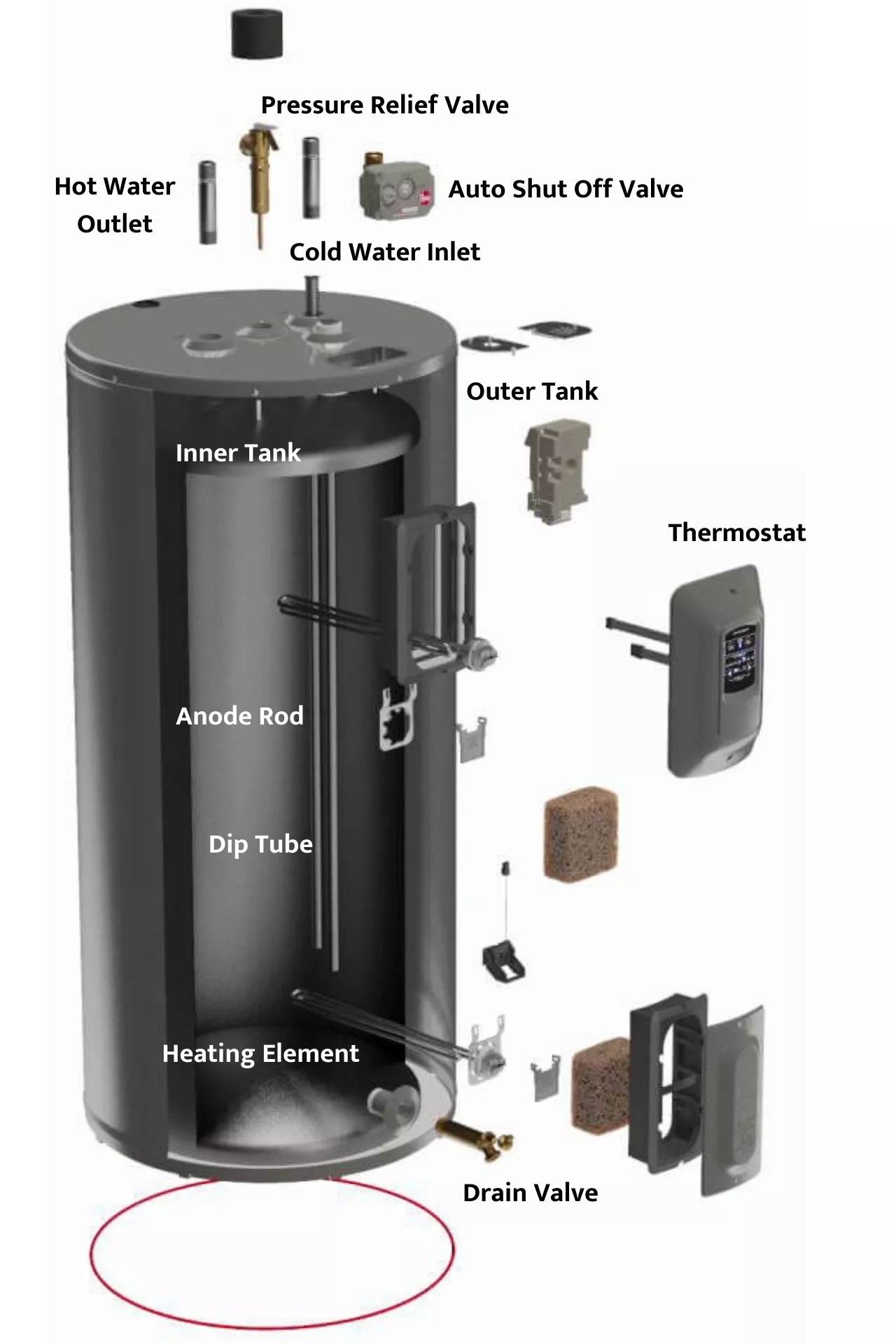
So, what's the best approach? Here are a few practical tips:
- Ideally, transport the water heater upright. This minimizes the stress on internal components. If possible, secure it vertically with straps or ropes.
- If you MUST transport it on its side, take extra precautions. Use plenty of padding (blankets, bubble wrap, foam) to cushion the unit and prevent it from sliding.
- Drain the tank completely. This significantly reduces the weight and the risk of damage from water sloshing around inside.
- Secure all connections. Cover any exposed fittings to protect them from impact.
- Drive carefully! Avoid sudden stops and rough roads.
- Consider the manufacturer's instructions. The manual might have specific recommendations for transporting the unit.
While hauling a water heater might not be your idea of a fun afternoon, knowing the ins and outs of safe transportation will give you peace of mind. By taking these precautions, you'll minimize the risk of damaging your new appliance and ensure a successful installation. And who knows, you might even enjoy the satisfaction of tackling the project yourself, and having a working water heater at the end of it is absolutely invaluable!