
Can A Fire Alarm Detect Carbon Monoxide
Ever been jolted awake by that insistent beeping in the middle of the night? Your heart does a little jig, you leap out of bed, ready to evacuate, only to discover... it was just the fridge reminding you to close its door, or maybe the washing machine playing a dramatic finale. We've all been there, right? That moment of adrenaline followed by a sheepish chuckle.
But what if that beep was real? And what if it wasn't just smoke from your slightly-too-enthusiastic breakfast frying pan, but something much more sinister, like carbon monoxide? It's a question that pops into our heads when we're half-asleep and our trusty alarm starts its siren song: "Can my regular fire alarm detect carbon monoxide?"
Two Different Kinds of Noses
Let's clear this up with a little analogy. Think of your typical smoke alarm and a carbon monoxide (CO) alarm like two very different kinds of detectives, each with their own specialized sniffing skills. They're both on your home safety team, but they're looking for totally different culprits.
Must Read
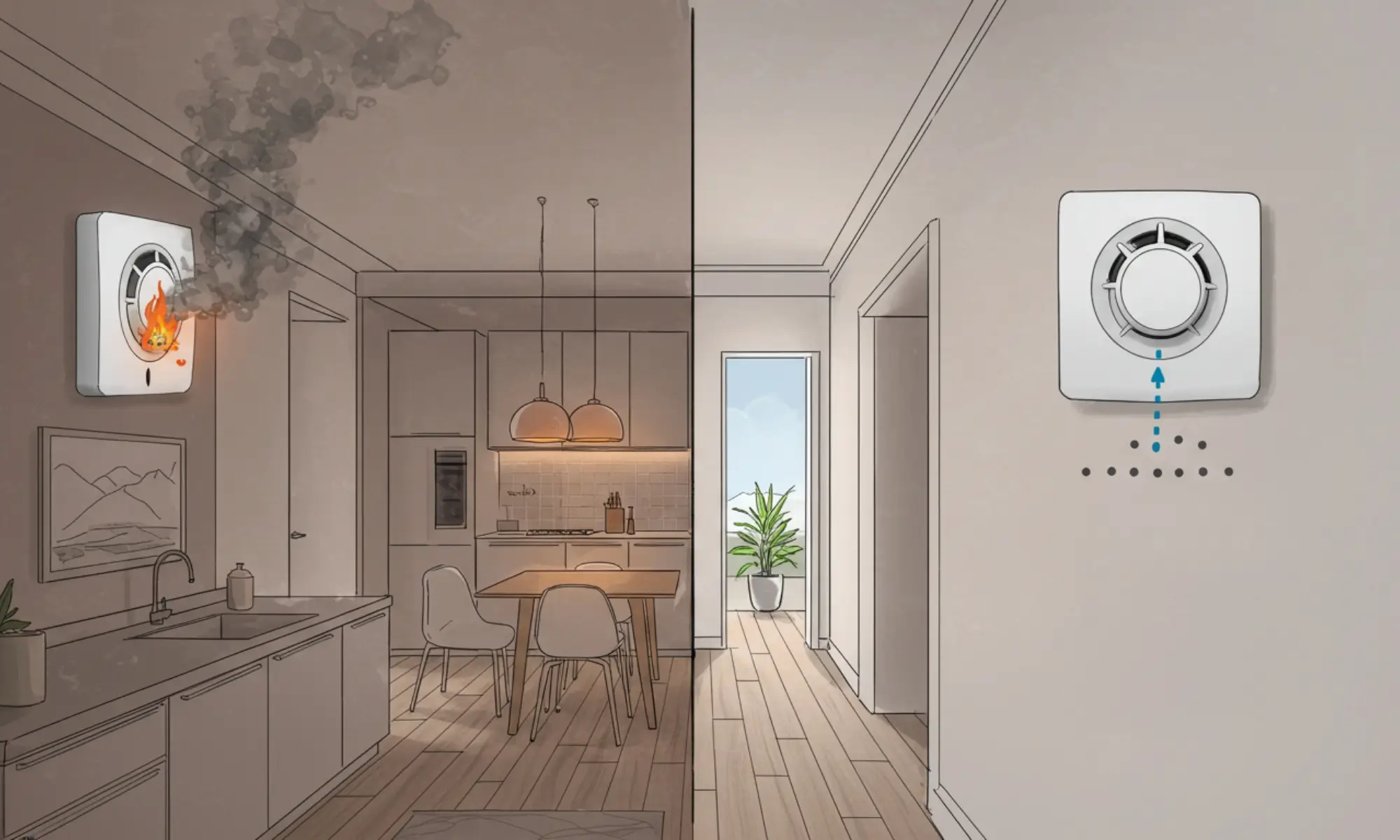
Your classic smoke alarm? That's the detective who's super sensitive to things like, well, smoke. It's got a nose for those tiny particles that float in the air when something's burning. You know, like when you accidentally char your toast (we've all done it!) or when your dinner decides to stage a tiny rebellion in the oven. It's reacting to visible smoke or the invisible particles that precede it.
It's essentially saying, "Hey! There's a BBQ happening indoors, and it wasn't on the schedule!" Or perhaps, "Someone's cooking with passion again!" Its job is to detect fire, or at least the beginning stages of one, giving you precious time to get out.
The Silent Assassin: Carbon Monoxide
Now, carbon monoxide? That's a whole different beast. It's the ninja of toxic gases. No smell, no taste, no color. You can't see it, you can't smell it, you can't taste it. It can sneak up on you faster than your kids can empty a fresh box of cereal on a Saturday morning. This is where the carbon monoxide alarm steps in.
Its job is to detect this invisible, odorless gas that's produced when fuels (like gas, oil, coal, wood) don't burn completely. Think leaky furnaces, faulty gas appliances, or a blocked chimney. If your CO alarm goes off, it's not saying "Fire!" It's saying, "Warning! There's a silent threat in the air that could make you very, very sick, or worse." It's a critical early warning system for a truly insidious danger.
So, Can A Fire Alarm Detect Carbon Monoxide?
The short answer is: it depends!

A traditional, standalone smoke alarm (fire alarm) is generally NOT designed to detect carbon monoxide. It's like asking your dog to meow – it's just not equipped for that particular job. Its sensors are specifically calibrated for smoke particles, not gas molecules.
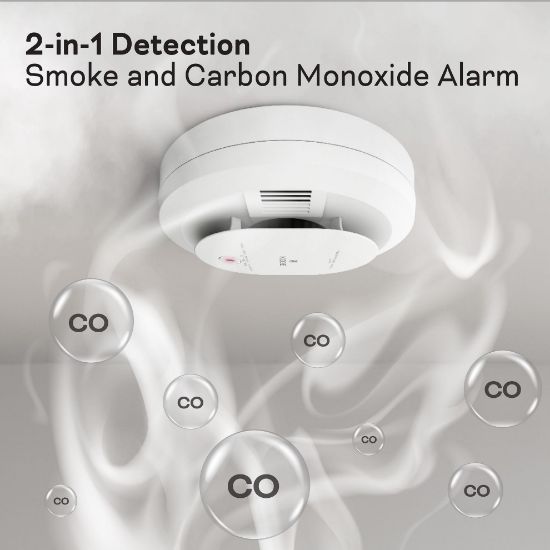
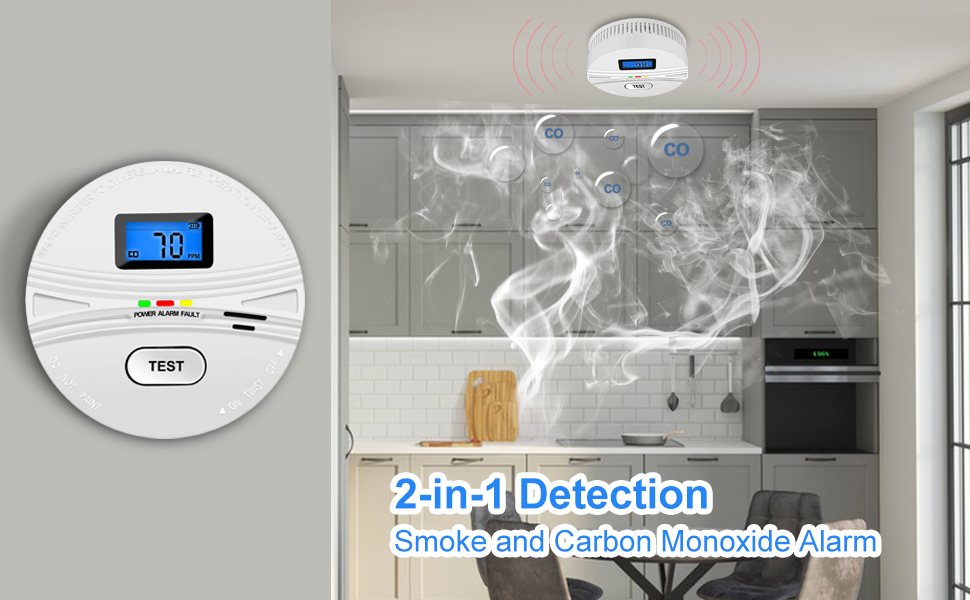
However, many modern homes are equipped with a fantastic invention called a combination alarm. These are the unsung heroes that are basically two super-detectives rolled into one sleek package. They have both a smoke sensor and a carbon monoxide sensor. You know how some phones have a camera and a flashlight? Same idea. Two essential functions in one device.
How Do You Know What You've Got?
This is the fun part, and it doesn't involve a magnifying glass and a deerstalker hat. Just a quick glance!

Take a peek at your alarm. Most alarms will clearly state what they detect. If it just says "Smoke Alarm" or "Fire Alarm," it's probably only sniffing out smoke. If it says "Smoke & CO" or "Carbon Monoxide Alarm" (sometimes with a fire icon too), then congratulations, you've got a dual-threat protector keeping tabs on things!
It's always a good idea to check the labels on all your alarms. It’s a simple five-second task that could potentially save a whole lot of headache, or worse.
Why You Need Both (Even If Separate)
Even if you don't have combination alarms, it's crucial to have both types of protection in your home. It's like having a seatbelt and an airbag. You hope you never need either, but you're sure glad they're there if things go sideways.
Imagine ignoring the fire alarm because it "only detects smoke," then waking up feeling woozy because CO was silently filling the room. Or vice versa! Both fire and carbon monoxide are serious threats that require their own dedicated watchdogs.
The Bottom Line
So, next time you hear a beep, remember: it might be your fridge, it might be your laundry, or it might be one of your silent guardians trying to tell you something important. Give them a quick check to see what kind of detective you've got, make sure your batteries are fresh (a little push of that 'test' button once a month is a good habit!), and consider upgrading to combination units if you're due for replacements.
Breathe easy, literally! Knowing your home is protected from both visible fire and invisible gas is a peace of mind that's worth its weight in gold (or at least, a good night's sleep).