
Can A Carbon Monoxide Detector Go Bad

I remember this one time, it was like, 3 AM. Pitch black, dead quiet. Suddenly, this insane, high-pitched shriek ripped through the house. My heart leaped into my throat, I bolted upright, convinced we were either being robbed, or worse, there was a fire. My dog, who usually sleeps through anything short of an earthquake, was doing his best impression of a terrified banshee.
I stumbled out of bed, fumbling for my phone's flashlight, convinced I was about to walk into certain doom. After about five minutes of frantic searching, I pinpointed the culprit: the smoke detector in the hallway. It wasn't a fire, it wasn't a robbery. It was just a dying battery, making its last, piercing stand. Phew. But man, that got me thinking...
That whole ordeal, while thankfully just a low battery, really hammered home a point. We rely on these little plastic boxes to save our lives, right? But if a simple smoke detector can throw such a dramatic tantrum just because its battery is low, what about its equally crucial cousin? The one that's designed to detect the invisible, odorless threat?
Must Read
So, Can Your Silent Guardian Go Bad?
And that, my friend, is exactly what we're diving into today. Can your carbon monoxide detector – that silent guardian in the corner – actually go bad? The short answer, without beating around the bush? Absolutely, unequivocally yes. In fact, not only can they go bad, but they have a definite expiration date stamped right on them.
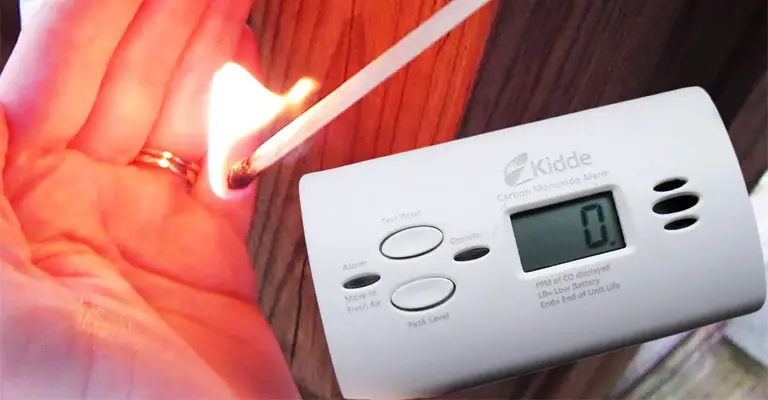
Unlike a smoke detector, which often relies on optical or ionization chambers to detect particles, most CO detectors use an electrochemical sensor. Think of it like a tiny chemical battery that reacts to carbon monoxide. This reaction creates an electrical signal, triggering the alarm. Pretty cool tech, right? But here's the kicker: these little chemical guys have a shelf life. They're like us, they get old, they get tired, and their senses aren't as sharp as they used to be.
Over time, the chemicals within that sensor can degrade, dry out, or simply become less sensitive. This means your detector might not register dangerous CO levels accurately, or worse, at all. And that, my friends, is a gamble you absolutely do not want to take. We're talking about the "silent killer" here, after all.
What Makes Them Tick (Until They Don't)?
There are a few reasons why your CO detector might start acting up or just flat-out quit:
-
The Sensor's Lifespan: This is the big one. Most CO detectors are designed to last between 5 and 7 years. Some might stretch to 10, but that's rare. After that, the electrochemical sensor just isn't reliable anymore. It’s not a maybe; it’s a definite.
-
Battery Issues: Okay, this is the classic. Just like my dramatic smoke detector, CO detectors need power. If it's chirping, that usually means low battery. But if you change the battery and it still complains, that's a red flag it might be the end of the line.

Carbon Monoxide Detector And How It Works at Louise Rizo blog -
Environmental Factors: Extreme temperatures, high humidity, or even exposure to certain chemicals (like cleaning sprays) can mess with the sensor's performance and shorten its life.
-
Dust and Debris: While less common for CO than smoke detectors, dust can still build up and potentially interfere with the unit's internal workings.
-
Physical Damage: Dropped it? Got it wet? Yeah, probably not going to work too well after that. These aren't indestructible superheroes, unfortunately.
How To Turn Off A Carbon Monoxide Detector | Storables
Signs Your CO Detector Is Giving Up The Ghost
So, how do you know if your little CO guardian is on its way out? Keep an eye (or ear) out for these clues:
-
It's Chirping (and You Changed the Batteries): If you've popped in fresh batteries and it's still making those annoying little "I'm dying" sounds, it's probably signalling its end-of-life.
-
It's Just... Old: Seriously, check the back of the unit. There's usually a "replace by" or "manufacture date." If it's past its prime (remember, 5-7 years is typical from the manufacture date, not the day you bought it), it's time for a new one. Don't second-guess this.

What To Do If Your Carbon Monoxide Detector Goes Off (Step-By-Step -
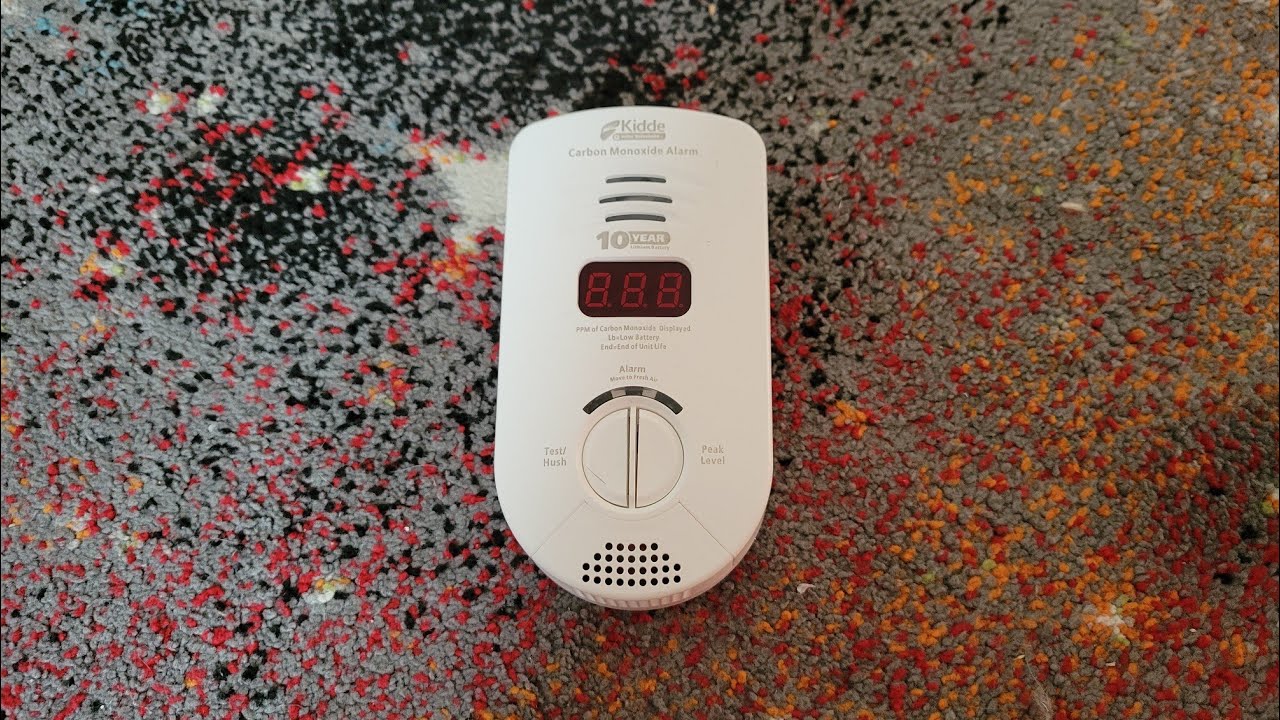
It Doesn't Respond to the Test Button: You know that little button you (hopefully) press every month? If nothing happens when you press it, your detector is officially snoozing on the job.
-
It Gives Constant False Alarms: While rare, a faulty sensor might start triggering alarms even when there's no CO present. Annoying, yes, but also a sign that something's off.
The Bottom Line: Don't Skimp on Safety
Carbon monoxide detectors are not "install and forget" devices. They have a lifespan, and it’s critical to respect that. Just like you change the oil in your car or replace your toothbrush, these life-saving gadgets need regular attention and eventual replacement.
So, take a moment. Go check your CO detector right now. See when it was manufactured. If it’s been more than 5-7 years, or if it's showing any of those tell-tale signs, do yourself and your loved ones a huge favor: replace it immediately. A few bucks for a new detector is a small price to pay for genuine peace of mind and, well, your life. You're worth it!