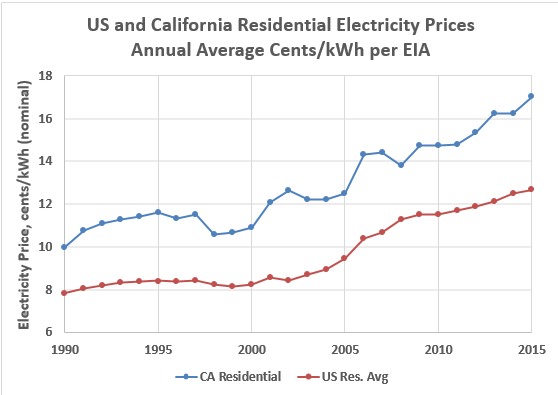
California Electricity Rates Per Kwh

Ah, California. The land of sunshine, avocados, and... well, let's just say, electricity bills that can make your jaw drop faster than a dropped smartphone. We’re talking about those pesky little numbers known as kWh – kilowatt-hours. Sounds techy, right? But really, it’s just the meter’s way of saying, “Hey, you’ve used this much juice, now pay up!”
The Great kWh Mystery (and Why It Matters)
Think of a kWh like a scoop of ice cream. You buy a cone, you get one scoop. You want a bigger sundae, you get more scoops. Each scoop costs money. Now, imagine those scoops getting progressively more expensive the more you eat! That, my friends, is sort of how
You know that moment? The one where you open the bill, see the total, and instinctively check if you accidentally bought a small power plant? Yep, been there, done that, bought the t-shirt. It’s a common rite of passage for anyone living in the Golden State.
Must Read
Why So Spicy, California?
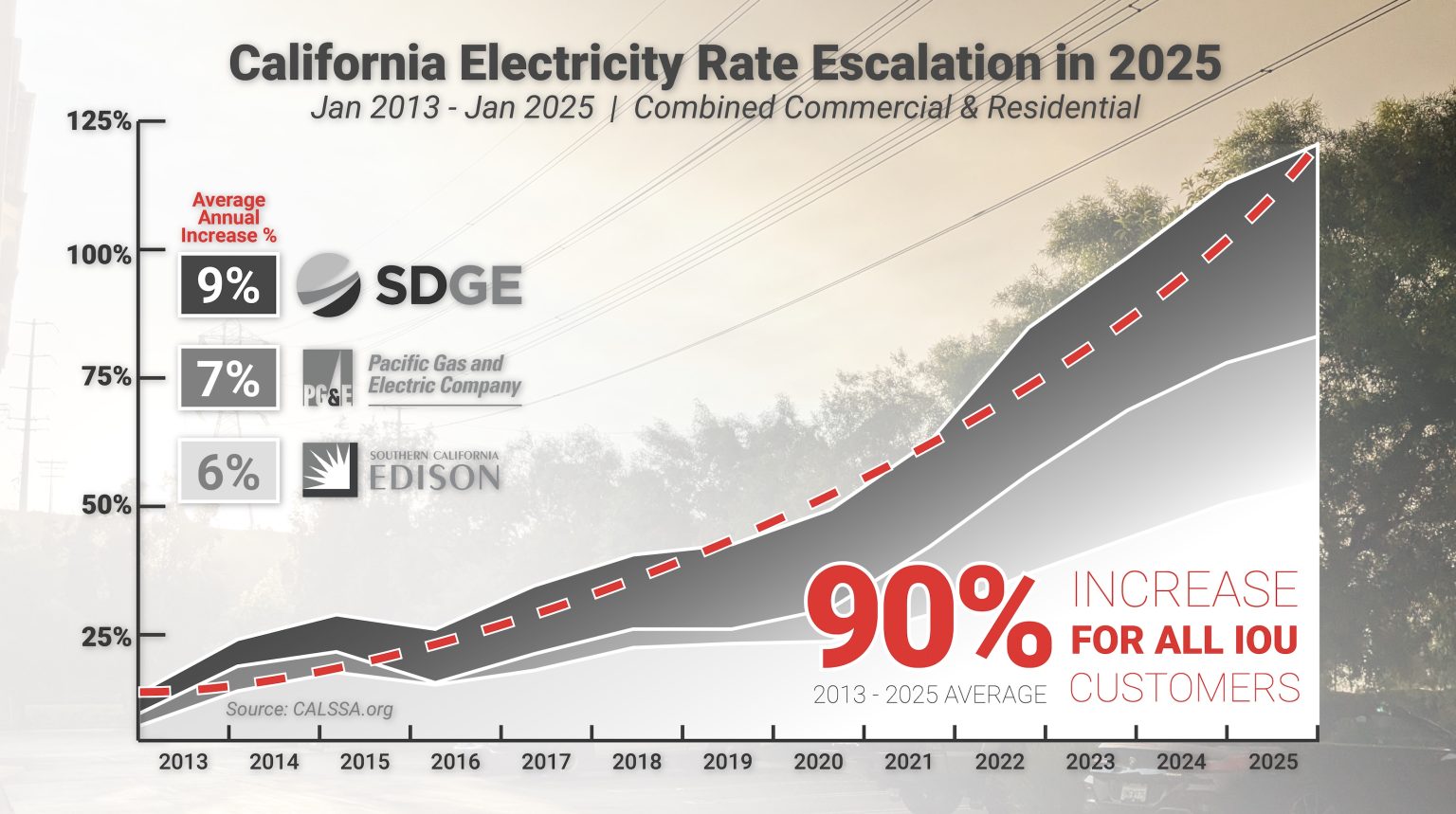
So, why are our rates often higher than a giraffe on a trampoline? Well, it's a mix of things. We've got ambitious goals for renewable energy – which is awesome for the planet, but building all that infrastructure isn't exactly pocket change. Then there are the wildfires, the grid upgrades, and just the sheer cost of keeping the lights on in a state as vast and populous as ours. It’s like throwing a massive, never-ending party where you’re always upgrading the sound system and bringing in new, organic snacks.
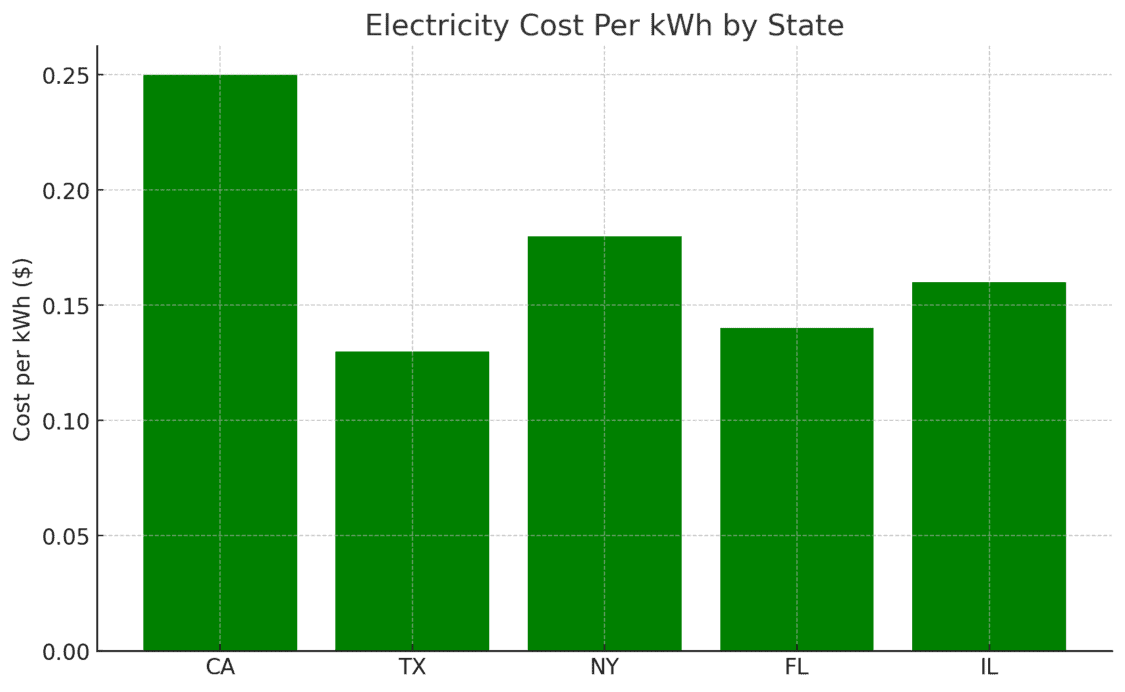
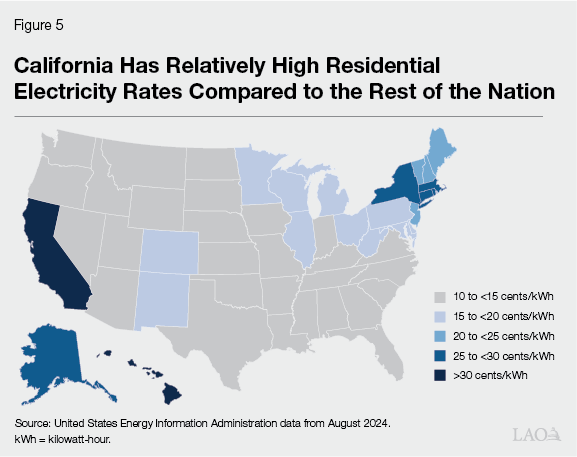
The result? Those California electricity rates can feel like they’re trying to personally finance a trip to Mars. We’re often talking about prices per kWh that make other states scratch their heads and wonder if we’re secretly mining bitcoin with our refrigerators.
Everyday Struggles: The AC Dilemma
Let's talk about summer. It hits 90 degrees, and your dog is panting like he just ran a marathon. Your finger hovers over the AC thermostat. It’s a battle between immediate comfort and the future dread of that bill. You know that turning it down feels good, but each degree drop feels like a little ding on your credit card. "Just for an hour," you tell yourself. Famous last words! That cool blast of air is costing you, literally, per kWh.
Or how about charging your electric vehicle? That sweet hum of electrons filling your battery. Environmentally friendly, yes! But when you see the cost on your bill, you start to wonder if you should just pedal it home sometimes. Every plugged-in device, every flickering light, every Netflix binge is adding up those kilowatt-hours.
The Tiered Tango and Time-of-Use Twist
Many of us are on a "tiered" system, which means the more you use, the more expensive each kWh becomes. It's like a video game where the levels get harder – and pricier – the further you go. Then there's the
Suddenly, leaving a light on in an empty room isn't just a minor oversight; it feels like a small act of rebellion against your future self. Those little LED nightlights that once seemed so innocent? They're now under intense scrutiny.
Coping Mechanisms (Mostly Humorous)
So, what's a Californian to do? Well, besides moving to a cave (which might be cooler and cheaper), we make do. We embrace ceiling fans like they're our long-lost relatives. We learn to love natural light so much that our homes resemble a permanent photoshoot. We strategically pre-cool the house during off-peak hours, turning our homes into giant refrigerators before the peak hour price hike.
Some even make the leap to solar panels – a big investment upfront, but eventually, your wallet might just give you a high-five. Until then, remember that every time you flip a switch, you’re not just turning on a light, you’re participating in a unique California experience. One that might make you sigh, but hey, at least the sun is usually shining! Just try not to run your AC too much enjoying it.