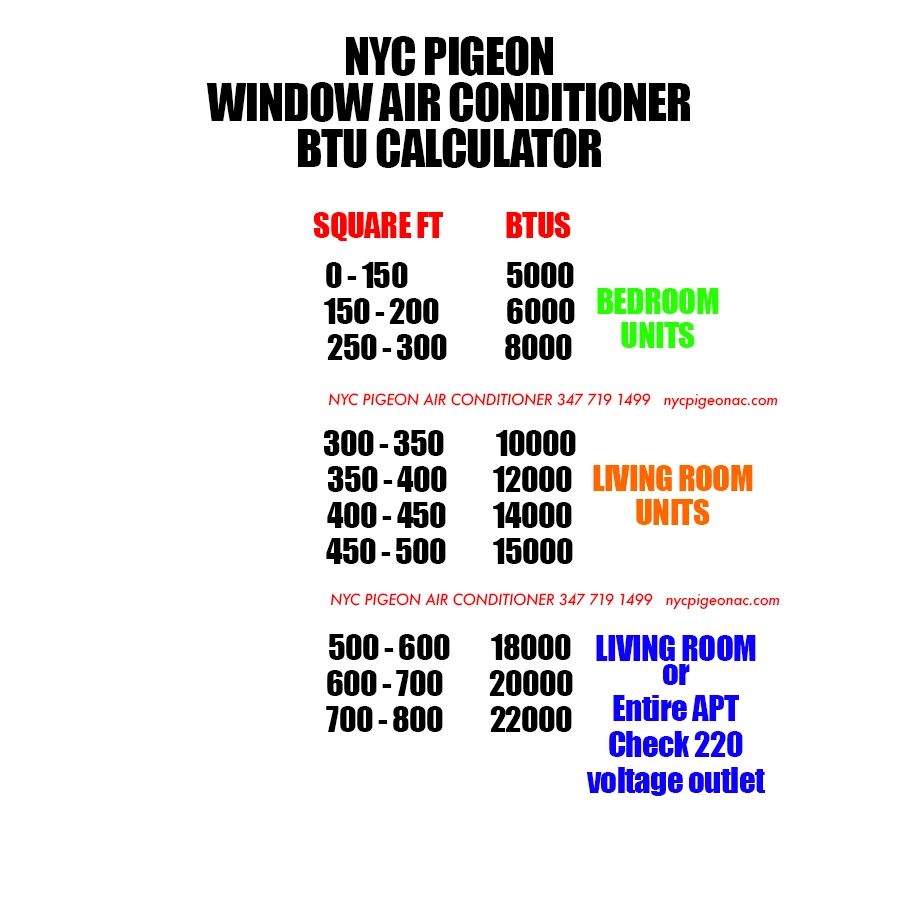
Btu Window Air Conditioner Calculator
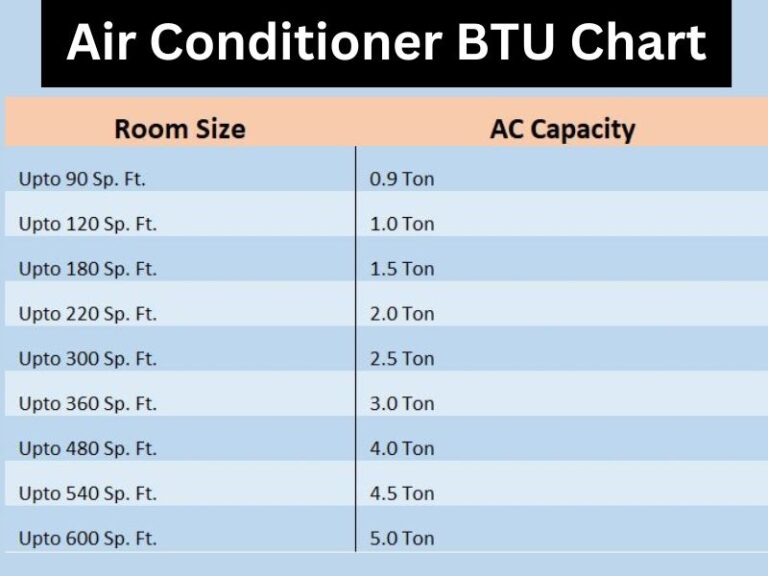
Ever found yourself staring at a window air conditioner box, utterly bewildered by the numbers, or perhaps enduring a summer where your AC just isn't quite cutting it? Or maybe it’s blasting icy air one moment and then cycling off, leaving you clammy? Welcome to the club! It turns out, cooling a room isn't just about plugging in any old machine. There's a fascinating, surprisingly simple piece of know-how that can make all the difference: the BTU Window Air Conditioner Calculator. Think of it as your secret weapon against the sweltering heat, and honestly, learning about it is a pretty fun and empowering little journey.
So, what exactly is this calculator for? Well, BTU stands for British Thermal Unit, and it's essentially a measure of heat. In the world of air conditioning, it tells you how much heat an AC unit can remove from a space in one hour. The calculator's main purpose is to help you determine the ideal BTU capacity for a specific room. It takes the guesswork out of buying or using an AC, ensuring you get a unit that’s neither too powerful nor too weak for your space. Imagine Goldilocks finding an air conditioner that's "just right"! The benefits are enormous: you’ll enjoy optimal comfort, significantly lower electricity bills (because an appropriately sized unit runs more efficiently), and even extend the lifespan of your appliance. Plus, it helps with humidity control, which is often the unsung hero of summer comfort.
Where does this come in handy? Everywhere! In daily life, this calculator is a lifesaver when you’re setting up a new home office and want to ensure it stays cool during your workday. Planning to convert a garage into a guest suite? You'll definitely want to punch in those dimensions to figure out the right cooling capacity. It’s also incredibly useful if you just moved into a new place and your existing AC feels off – perhaps it’s actually undersized or oversized for that particular room. Beyond personal use, it has educational value too. Think about high school physics classes exploring heat transfer, or vocational training for future HVAC technicians. Even aspiring architects or interior designers can use this principle to design more comfortable and energy-efficient spaces from the ground up. It’s a real-world application of science that’s both tangible and immediately beneficial.
Must Read
Ready to explore it yourself? It's super easy! You can find numerous free BTU calculators online with a quick search for "BTU AC calculator." Most will ask for a few simple measurements: the length and width of your room (sometimes height, too). But here's where it gets a little more curious: many also account for other factors that influence heat gain. Think about how many windows the room has and which direction they face (lots of afternoon sun means more heat!), the quality of your insulation, the number of people regularly occupying the space, and even heat-generating appliances like computers or ovens. Don't be afraid to play around with the numbers! Try calculating for your bedroom, then your living room, and then a hypothetical sunroom. See how changing the window exposure or adding an extra occupant dramatically shifts the recommended BTU. It’s a fantastic way to grasp the nuances of heat transfer in your own home. Who knew understanding air conditioners could be so insightful and, dare we say, a little bit fun?