Blue Light For Nail Fungus Reviews
Let's face it, nobody loves talking about nail fungus. It's not exactly a glamorous topic. But the truth is, it's incredibly common, and affects a huge percentage of the population. For many, it's a persistent problem that can be both unsightly and uncomfortable. That's where the buzz around blue light therapy for nail fungus comes in. People are constantly searching for easier, less invasive ways to tackle this annoying issue, and the promise of a simple, at-home treatment is definitely appealing.
So, why the interest in blue light? Well, blue light therapy, in general, has been gaining traction for various skin conditions and even pain management. The premise is that certain wavelengths of blue light can have an antimicrobial effect, targeting the fungus responsible for the infection. Think of it as a targeted beam of light disrupting the fungus's happy little home under your nail. The biggest benefit is the potential for a non-invasive approach. Traditional treatments often involve topical or oral medications, which can have side effects or require long treatment times. Blue light offers a potentially simpler, side-effect-free alternative.
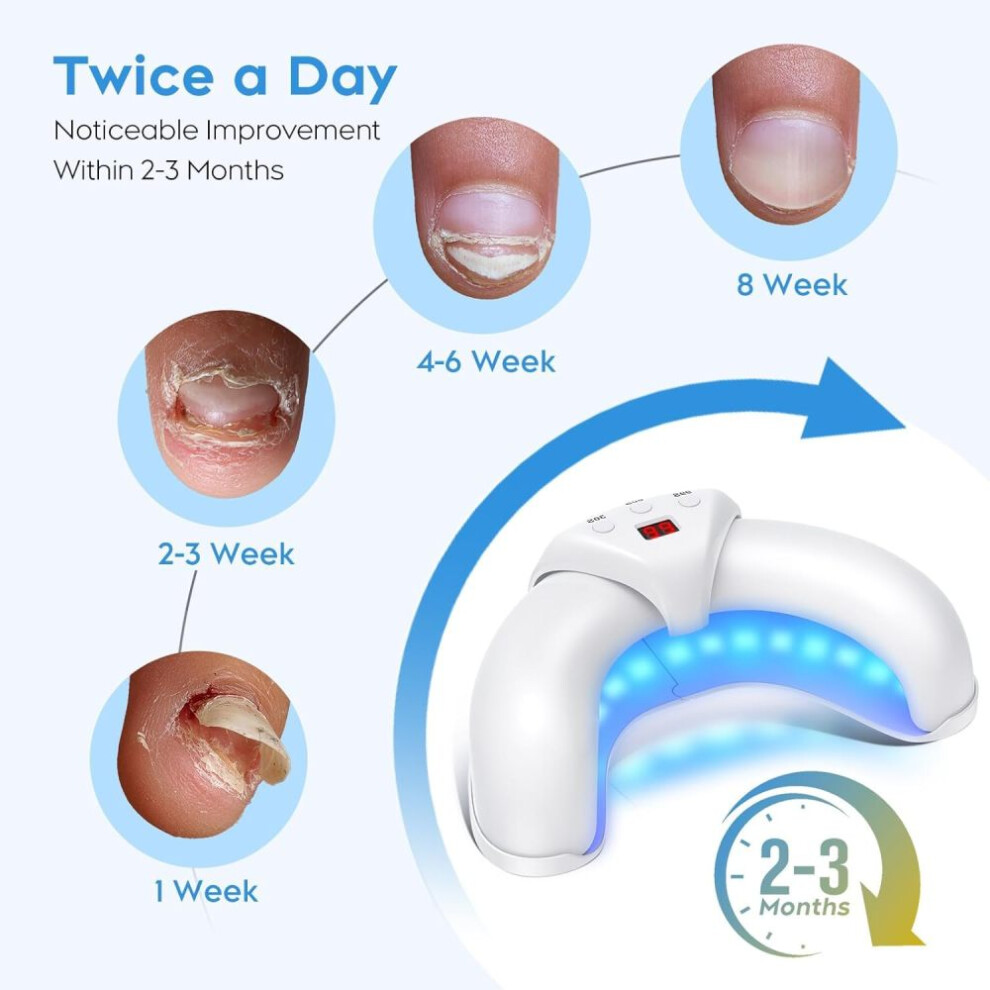
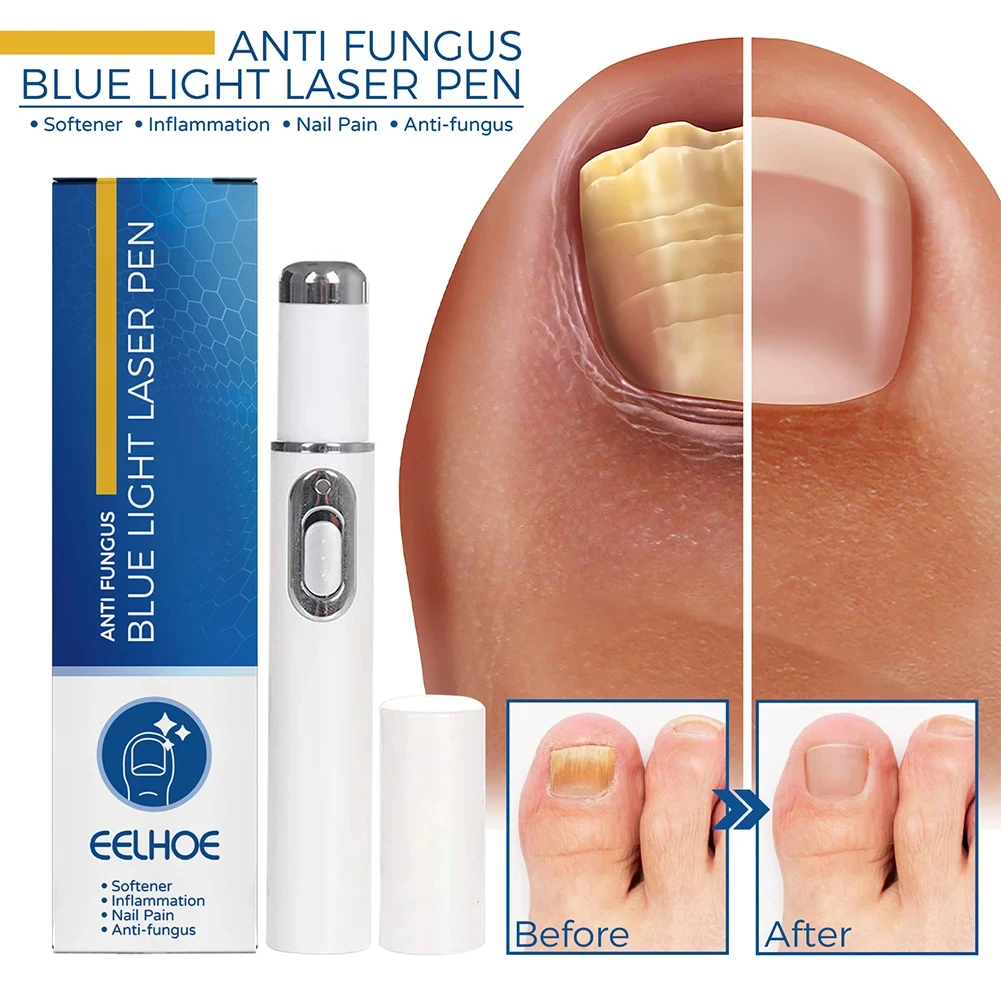
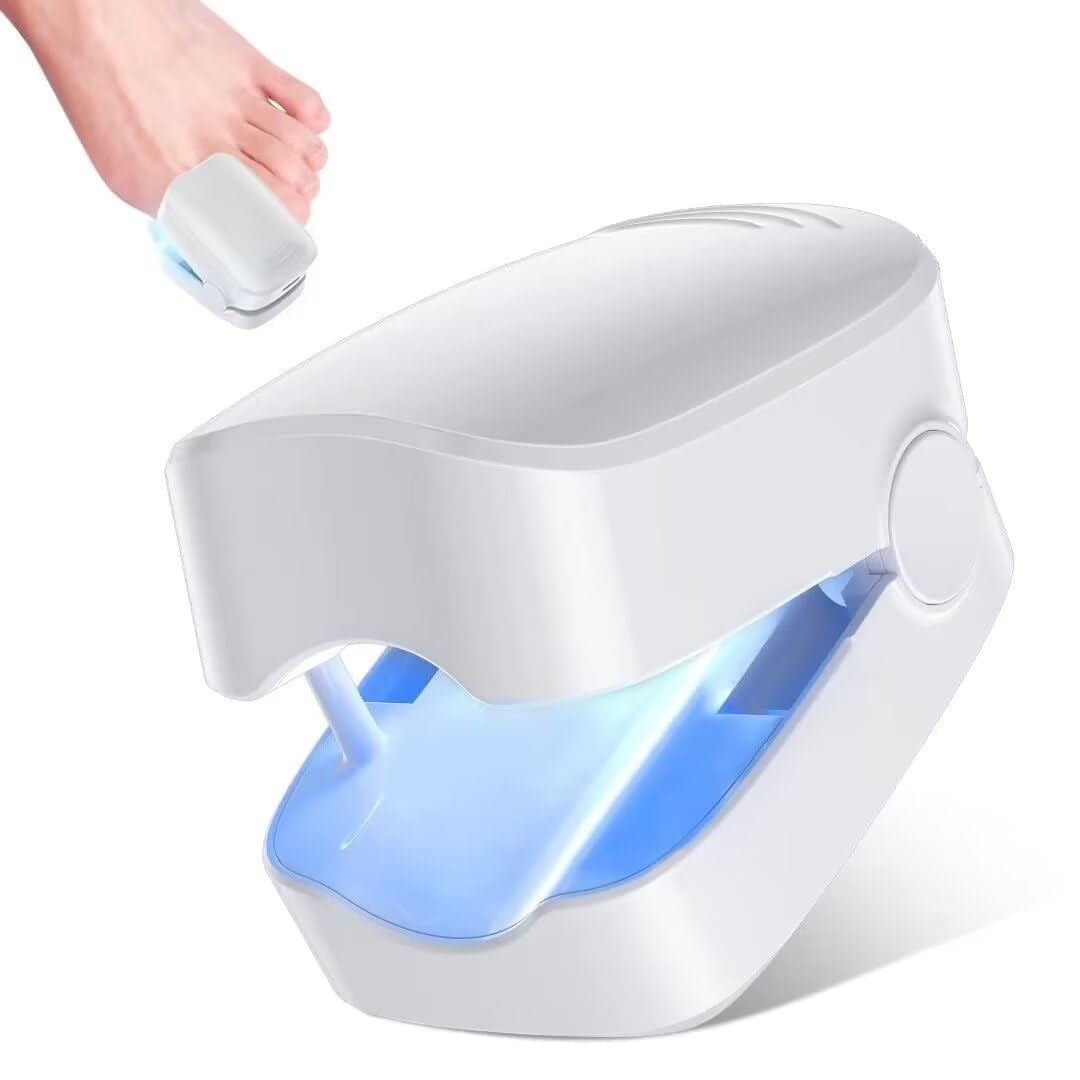
The most common way blue light therapy is applied for nail fungus is through handheld devices specifically designed for this purpose. These devices typically emit a concentrated beam of blue light onto the affected nail for a set period of time, usually a few minutes each day. You simply place the device over your nail and let it do its thing. Some devices also incorporate red light, which is believed to promote healing and reduce inflammation in the surrounding tissue. Some spas and salons also offer blue light treatments as part of their pedicure services.
Must Read
Now, for the million-dollar question: how can you enjoy blue light therapy for nail fungus more effectively? Here are a few practical tips:
- Be consistent: This is key! Blue light therapy usually requires daily or near-daily sessions for several weeks or even months to see noticeable results. Don't give up after a week or two. Think of it as a marathon, not a sprint.
- Prepare the nail: Before each session, gently file the affected nail to thin it out. This allows the blue light to penetrate more effectively.
- Cleanliness is crucial: Keep your feet clean and dry. After each session, ensure your feet are thoroughly dried, especially between the toes.
- Read the instructions carefully: Each device is different, so follow the manufacturer's instructions for optimal results. Don't assume you know how to use it.
- Manage your expectations: Blue light therapy might not work for everyone, and results can vary depending on the severity of the infection and individual factors. It's important to have realistic expectations and consider it as part of a comprehensive treatment plan.
- Consider pairing with other treatments: Talk to your doctor or podiatrist about combining blue light therapy with other antifungal treatments for a more powerful approach. They can provide personalized recommendations based on your specific situation.
While reviews on blue light therapy for nail fungus are mixed – some people swear by it, while others find it ineffective – it's a growing area of interest. By understanding the benefits, being consistent with treatment, and taking steps to optimize its effectiveness, you can give yourself the best chance of success in tackling that stubborn nail fungus. Remember to consult with a healthcare professional for personalized advice and to determine if blue light therapy is the right choice for you.