Ever wonder why some countries seem to have everything figured out, while others struggle? Or why your neighbor can afford a fancy sports car, while you're meticulously clipping coupons? A lot of it boils down to something called an economic system. It might sound dry and academic, but understanding it is surprisingly fun and incredibly useful. Think of it as the operating system for a whole country – it dictates how resources are used, who gets what, and how wealth is distributed. So, what exactly does an economic system determine?
The big question is: Which of the following is determined by an economic system? The answer, in short, is almost everything related to how a society handles money, resources, and production. But let's break it down so it's crystal clear.
For beginners, think of it like this: an economic system decides who owns the stuff (like factories, land, and businesses), how things are made (cars, bread, iPhones), and who gets to enjoy those things. Is it the government that owns everything, or are individuals allowed to own businesses and compete? That's the heart of the matter.
For families, understanding economic systems is about understanding opportunities. Does your family have the freedom to start a business and pursue your dreams? Does everyone have access to basic necessities like healthcare and education, regardless of their income? These are direct results of the economic system in place. For example, in a more socialist system, families might have better access to affordable healthcare, but might face higher taxes or fewer opportunities for starting very profitable businesses. In a more capitalist system, families have more freedom to accumulate wealth, but might also face greater economic inequality.
For hobbyists interested in economics or current events, the variations in economic systems offer endless fascination. We've got pure capitalism (approached, but rarely perfectly achieved), where private individuals own almost everything. Think the early days of the American Wild West, but with less gunfighting (hopefully!). Then there's pure communism (again, rarely seen in its theoretical form), where the government owns everything and aims to distribute resources equally. Somewhere in the middle, you have mixed economies like Sweden or Canada, which blend elements of both. And then there are variations based on culture and history, like China’s unique brand of market socialism. Understanding the nuances of each helps you analyze global events and predict future trends.
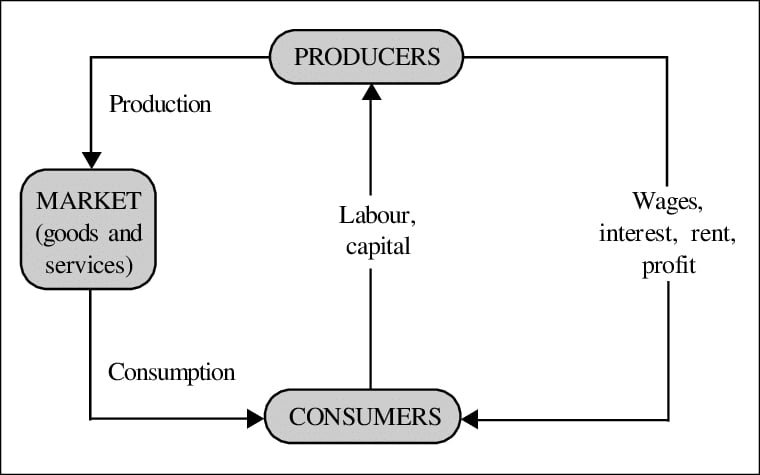
So, what exactly *does* an economic system control? Here are a few key elements:
- Resource Allocation: How land, labor, and capital are used. Are they controlled by the government or by private individuals?
- Production Methods: Who decides what to produce, how to produce it, and for whom?
- Distribution of Goods and Services: Who gets what? Is it based on need, ability to pay, or some other factor?
- Property Rights: Who owns what? Can you own a business, a house, a patent?
- Economic Incentives: What motivates people to work, invest, and innovate? Profit? Social responsibility?
Practical Tip: Start small. Pick a country you're interested in and research its economic system. Compare it to the economic system of your own country. Ask yourself: what are the pros and cons of each? How do they impact the lives of ordinary people?
Delving into the world of economic systems isn't just about memorizing definitions; it's about understanding the forces that shape our world and influence our daily lives. It's about empowering yourself with the knowledge to make informed decisions and participate more effectively in society. Plus, it's surprisingly addictive once you start connecting the dots!