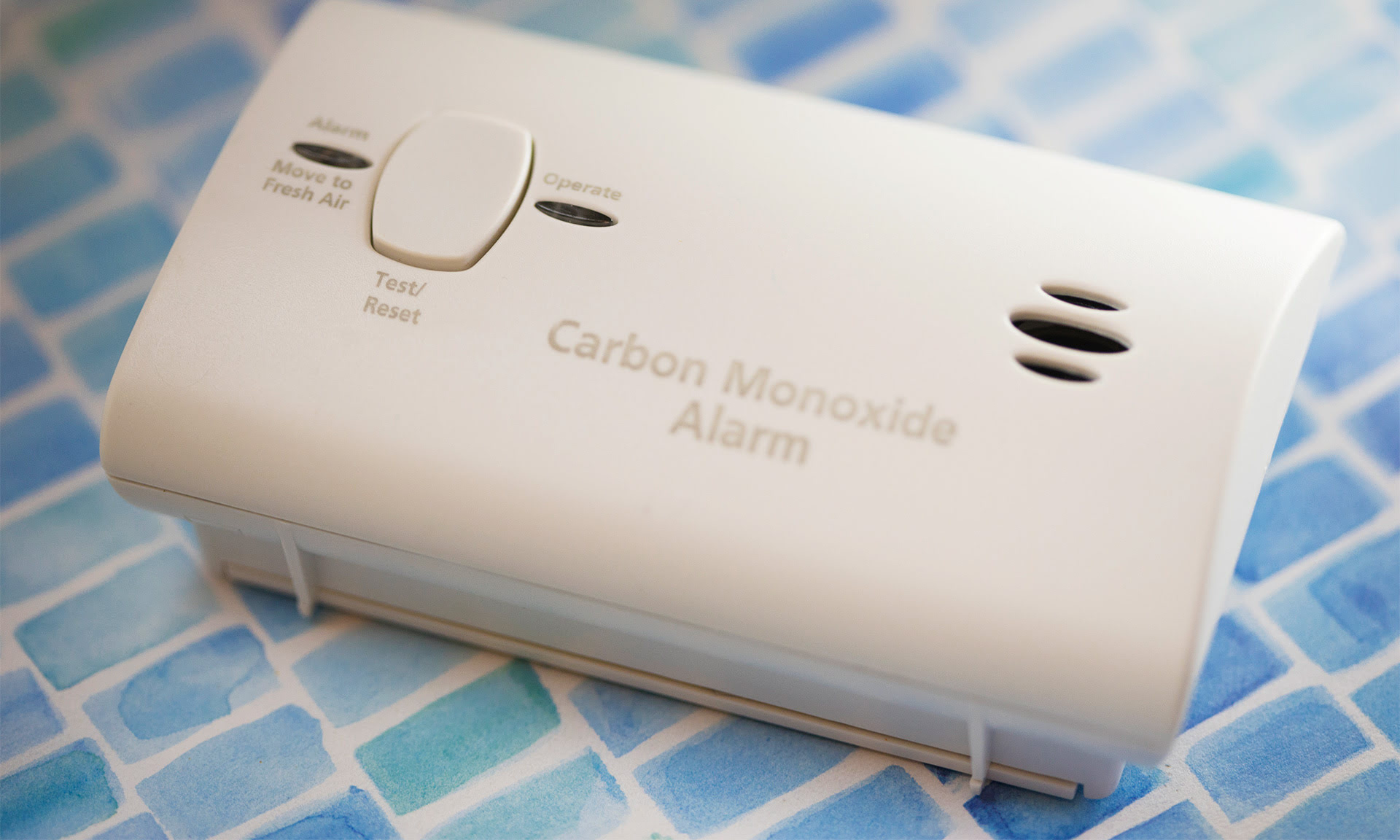
Imagine a tiny, vigilant hero living in your home. It’s always on duty, sniffing out danger you can’t see, smell, or taste. We’re talking about your carbon monoxide detector! This little gadget is a true lifesaver, but sometimes it makes a fuss, and we wonder, 'What's gotten into it?' Let's peel back the curtain and find out what makes this silent guardian suddenly shout.
Carbon monoxide, or CO, is a real sneaky villain. It’s an invisible, odorless, tasteless gas. You won’t know it’s there until it’s too late, and that’s why your detector is so incredibly special. It’s like having a superhero with a super sense for this gas. But what exactly makes this superhero sound the alarm?
The Real Deal: Actual CO Leaks
The most important reason your CO detector goes off is, well, for the reason it was made: there’s carbon monoxide in the air! This is the big one, the serious one, and the one you should never ignore. CO is produced when fuels don't burn completely. Think about things in your home that use gas, oil, wood, or propane.
Common culprits often include your furnace, gas stove, water heater, or fireplace. Even a car left running in an attached garage can be a major source. A blocked chimney or a faulty appliance could easily cause a dangerous buildup. When your detector senses even a small amount of this gas, it's designed to warn you immediately. It's like a smoke detector, but for a gas you can't even perceive.
Remember, if your CO alarm sounds its distinct pattern, treat it like an emergency. Get fresh air, call for help, and don't re-enter until it's safe.
When It's Not CO: Other Alarm Sounds
Sometimes, your CO detector might chirp or beep, and it’s not the full-blown alarm. These smaller sounds are important clues too! They tell you something about the detector itself, rather than CO in the air.
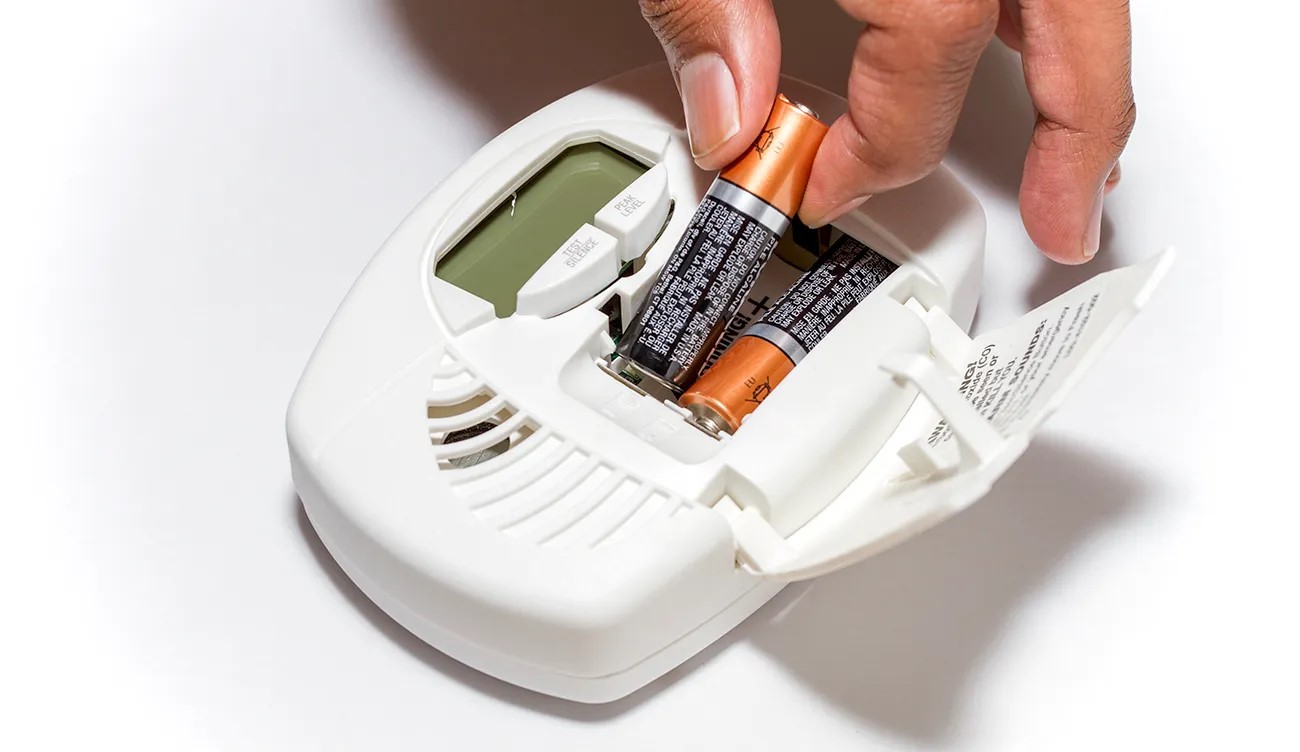
A very common sound is a quick, regular chirp, perhaps once every minute. This usually means the battery is low. It's your detector gently reminding you, "Hey, I need new power to keep protecting you!" Replacing the batteries is often a quick fix, and it's super important to do right away so your guardian can get back to full strength.
Another signal you might hear is a series of beeps, often five beeps every minute. This usually indicates that the detector has reached its end of life. Yes, even these amazing gadgets don't last forever! Most CO detectors have a lifespan of about five to seven years. After this time, their sensors might not be as sharp. It’s telling you, "My watch is over, time for a fresh new hero to take my place!"
Are There False Alarms?
Compared to smoke detectors, CO detectors are generally very specific. They are designed to detect carbon monoxide and not much else. So, true false alarms are quite rare. However, in very specific situations, some things *might* interfere or trigger a very sensitive unit, but this is uncommon.
For instance, strong fumes from certain cleaning products, paint removers, or aerosols used heavily in a confined space *might* theoretically confuse a very sensitive or older unit. But generally, if your CO alarm is going off, you should assume it's for the right reason. It's far better to investigate than to dismiss it.
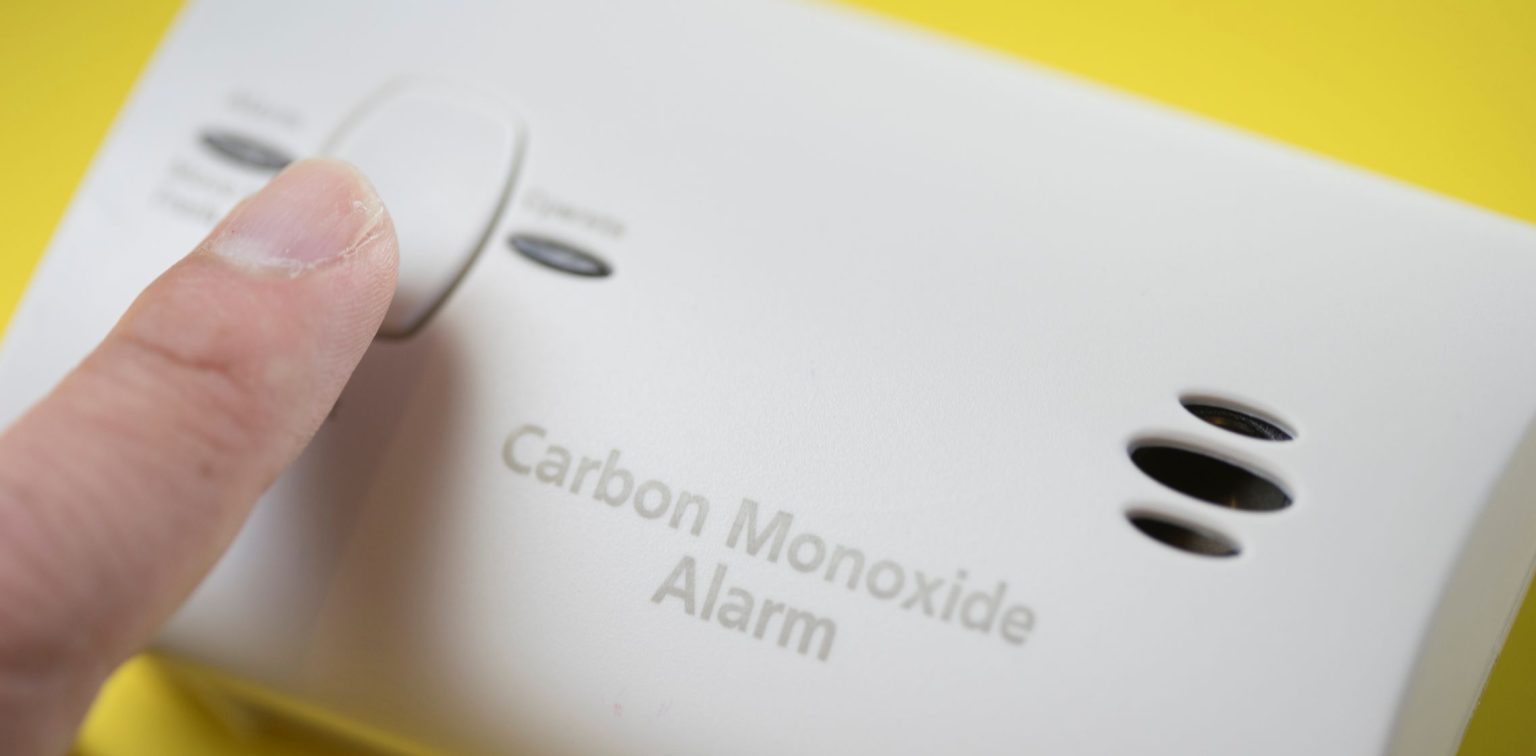
One way you can "set off" your detector intentionally is by using its test button. Every CO detector has one! Pressing it usually makes the alarm sound its full, loud pattern for a few seconds. This is a great way to make sure the speaker works and the unit is powered up. It’s like giving your hero a quick health check!
What To Do When It Alarms
The main takeaway is this: if your carbon monoxide detector sounds its distinct, loud alarm, take it seriously. It’s not just making noise to be entertaining; it's shouting a warning that could save lives. Get everyone, including pets, outside into fresh air immediately. Then, call your emergency services or fire department. They can check your home safely and confirm the presence of CO.
So, the next time your CO detector chirps, beeps, or shouts, you’ll know a little more about what it’s trying to tell you. It’s not just a box on the wall; it’s a vigilant protector, specially designed to keep you and your family safe from an invisible enemy. Understanding its language is part of being a smart, safe homeowner. So, go ahead, give yours a quick check – maybe even press that test button!