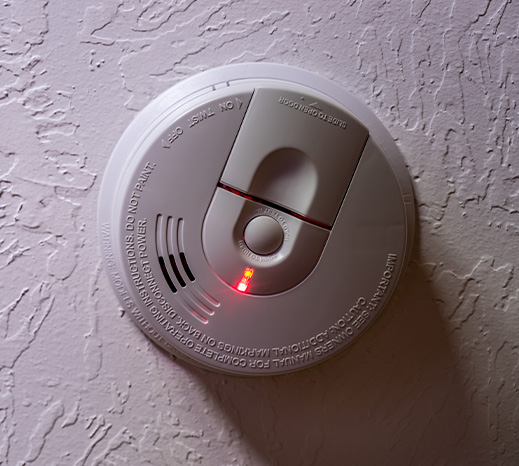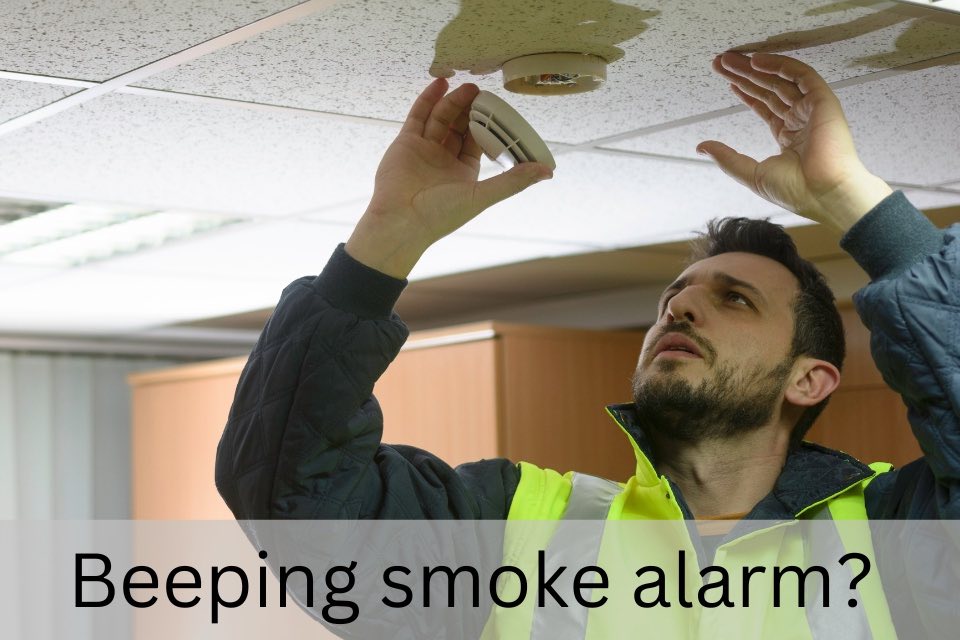
That insistent, solitary chirp, chirp, chirp from a smoke alarm, usually echoing through the quiet of your home at 3 AM, is a sound most homeowners know well. We’ve all been there, haven't we, wandering like detectives to pinpoint the culprit. But instead of just groaning and fumbling for a ladder, have you ever paused to wonder, "Why is it doing that? What's the story behind the chirp?"
Delving into this little mystery isn't just about silencing an irritating noise; it's about understanding a crucial element of your home's safety. This practical knowledge empowers you, turning a frustrating problem into a simple, solvable task. Plus, there's a certain satisfaction in knowing why things work, even something as small as a chirping smoke detector!
That minute-by-minute chirp has a wonderfully straightforward primary purpose: it's your smoke alarm’s way of shouting, "Hey! My battery is low!" Think of it as a polite, persistent reminder. The benefit is immense. Instead of suddenly finding your alarm dead when you need it most, this ingenious warning gives you ample time to replace the battery, ensuring your first line of defense remains active and vigilant. It’s a testament to clever design – a system that signals for attention before it fails.
This simple warning system integrates into our daily lives and offers subtle educational lessons. At home, it’s a direct prompt for preventative maintenance, teaching us to be proactive about safety. For kids, it can be a tangible lesson about how batteries power devices and the importance of heeding warning signals. It even encourages a habit of annual safety checks for all household detectors.
So, next time you hear that familiar sound, embrace your inner detective! Here are a few practical tips to explore and resolve the mystery:
- Pinpoint the Perpetrator: Listen carefully to locate the exact alarm. Finding it is the first step!
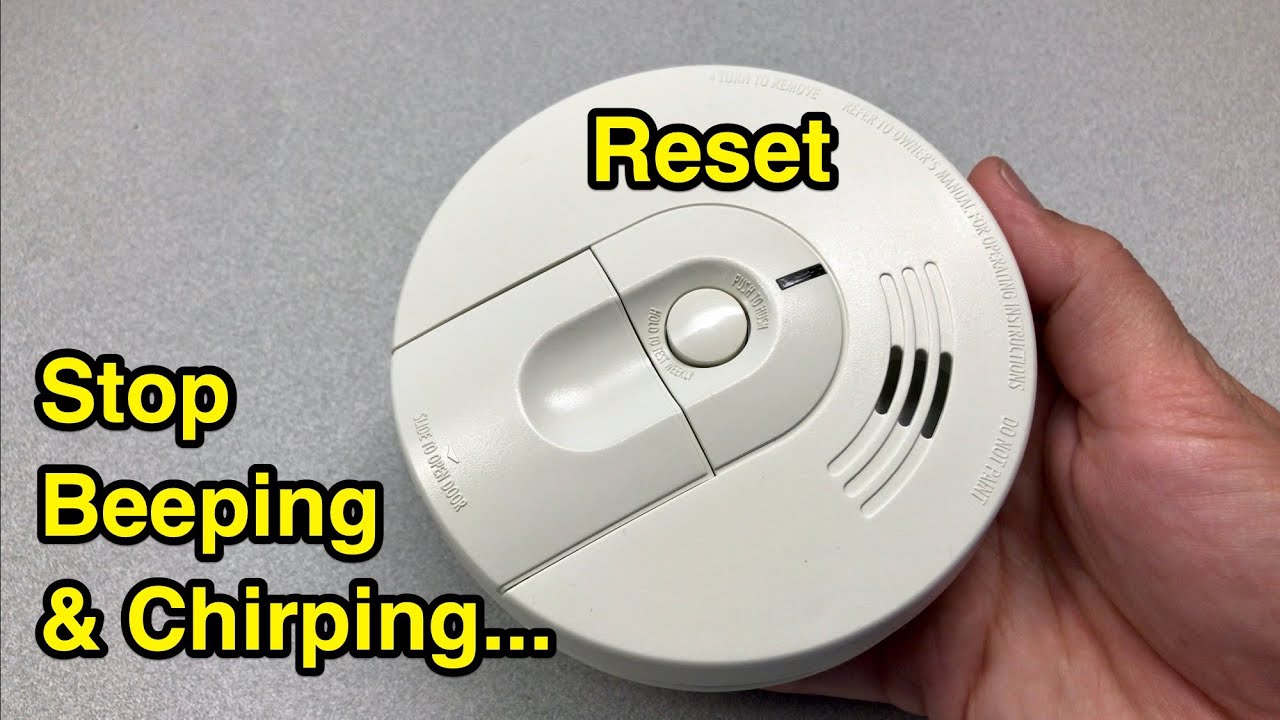
- Battery Swap is Key: For most standard alarms, replace the old battery with a fresh 9-volt (or AA/AAA for newer models). Sealed 10-year batteries chirp when the unit is at its end-of-life.
- Test, Test, Test: After replacing, press the "test" button to confirm it's working.
- Give it a Dust-Off: Dust can cause false chirps; a quick wipe or gentle vacuum might resolve it.
- Check the Date: Alarms expire (usually 10 years). If yours is chirping and past its prime, replace the unit.
Understanding this little chirp isn't just about peace and quiet; it's about staying safe and being an informed homeowner. So, next time you hear that signal, you’ll not only know exactly what to do but also appreciate the clever design behind it!