Hey, remember 2014? Obama was still president. "Happy" by Pharrell was *everywhere*. And Razer was trying to redefine gaming laptops with the Blade 14. Sleek, powerful, and… prone to spontaneous combustion? Okay, maybe not combustion, but definitely overheating. Let’s dive into the tale of the hot-headed 2014 Razer Blade 14.
The Dream Machine (Until it Wasn't)
The 2014 Razer Blade 14 was a looker. Seriously. It boasted a beautiful aluminum unibody. Thin. Light. A *gaming laptop* that didn't look like it was stolen from a spaceship. It packed a punch too, with an Intel Core i7 processor and an Nvidia GeForce GTX 870M graphics card. Remember when those specs were considered *amazing*?
But there was a catch. A big, hot, sweaty catch. Overheating. Yeah, the poor thing just couldn’t keep its cool. Think of it like a tiny, incredibly powerful gym rat stuffed into a closet. Bound to get a little toasty, right?
Shutdown City: Population, Your Game
Imagine this: You're finally about to beat that super-tough boss. Health bars are low. Adrenaline is pumping. Your fingers are flying across the keyboard. And then… *black screen*. The laptop just shuts down. Poof. Gone. Rage quit, *courtesy of your laptop*.
This was the reality for many 2014 Razer Blade 14 owners. The laptop would get so hot, it would automatically shut down to prevent permanent damage. It's like the Blade was saying, "Nah, I'm good. I'd rather not melt into a puddle of silicon and regret."
What caused this fiery frustration? Well, a few things. Thin design. Powerful components. Limited airflow. Put them all together, and you've got a recipe for thermal disaster. It’s physics, baby!
The Copper Pipe Caper
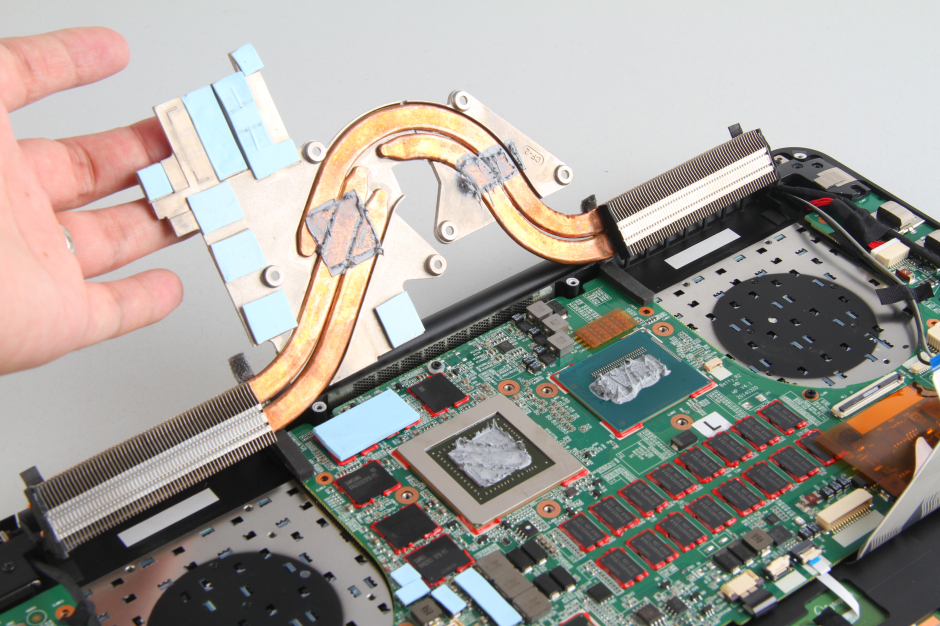
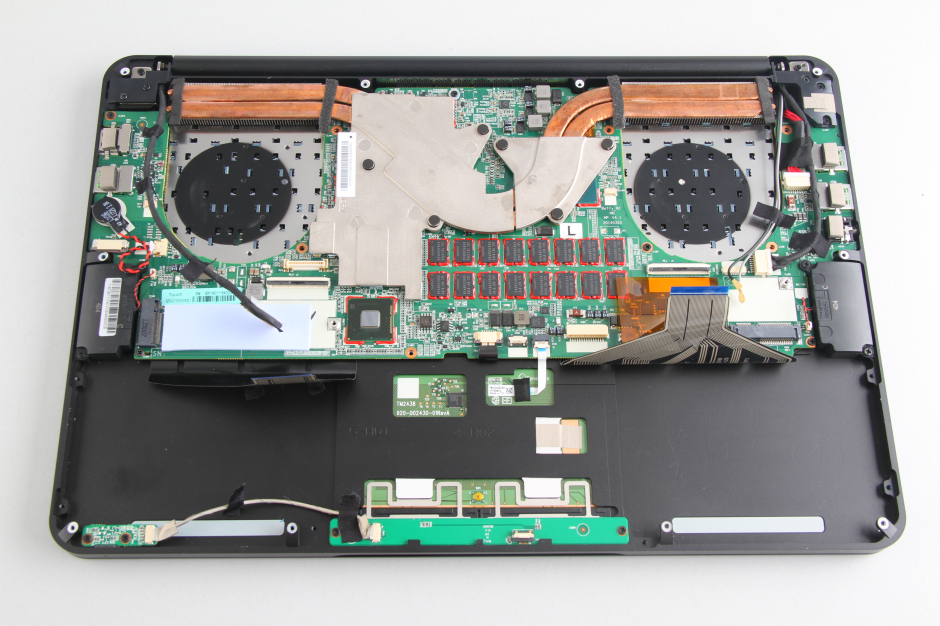
Razer tried to address the issue with a dual-fan cooling system. It used copper heat pipes to try and whisk away the heat. But it turns out, those pipes weren't quite up to the task. Think of it like trying to extinguish a bonfire with a garden hose. You *might* make a dent, but… probably not.
Some resourceful users even resorted to *under-volting* their CPUs and GPUs to reduce heat output. Under-volting basically means reducing the amount of power going to the components, which makes them run cooler, but also slightly reduces performance. It's like telling your gym rat to only lift the *light* weights. A necessary evil, perhaps?
Did Razer drop the ball?
Not exactly. Razer did respond to complaints. They issued driver updates and BIOS tweaks to try and improve thermal management. They even offered repairs and replacements to some affected customers. But let's be honest, the overheating issue was a stain on an otherwise impressive machine.
Think about it this way: The 2014 Razer Blade 14 was like that talented but temperamental athlete. Immense potential, but prone to melting down under pressure. A bit dramatic? Maybe. But hey, that's what makes it fun to talk about, right?
Why We Still Talk About It
So, why are we reminiscing about a flawed laptop from a decade ago? Because it's a reminder that even the most innovative products can have their hiccups. The 2014 Razer Blade 14, for all its flaws, was a bold step forward in gaming laptop design.
It paved the way for future Razer Blade models. Razer learned from their mistakes. They improved their cooling systems. And they eventually created some of the most respected gaming laptops on the market.
Plus, it’s just a funny story. Imagine the frustration! Spending all that money, only to have your game interrupted by an impromptu shutdown. The internet forums must have been wild. The comments sections ablaze (pun intended!).
The 2014 Razer Blade 14 overheating saga is a reminder that technology is messy. It's a constant process of trial and error. And sometimes, those errors are spectacularly hot.
So, the next time you're gaming on a modern, cool-running laptop, take a moment to appreciate the sacrifices made by its predecessors. Remember the 2014 Razer Blade 14, the little laptop that could... until it got too hot and couldn’t anymore.
And hey, if you happen to have a working 2014 Razer Blade 14, maybe invest in a good laptop cooler. Just saying. You never know when that old temper might flare up again! After all, you wouldn't want your retro gaming session to end in a smoky, silent goodbye.