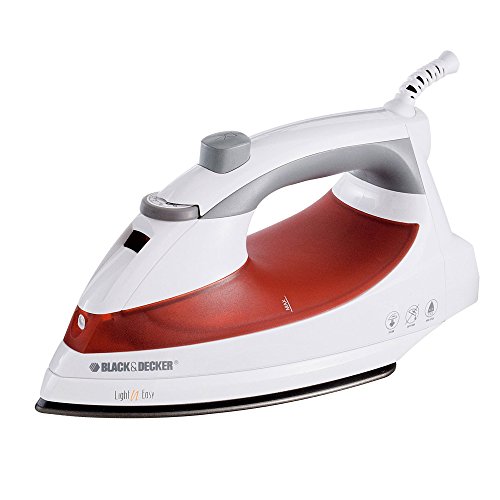
Black And Decker Light And Easy Iron Temperature Settings
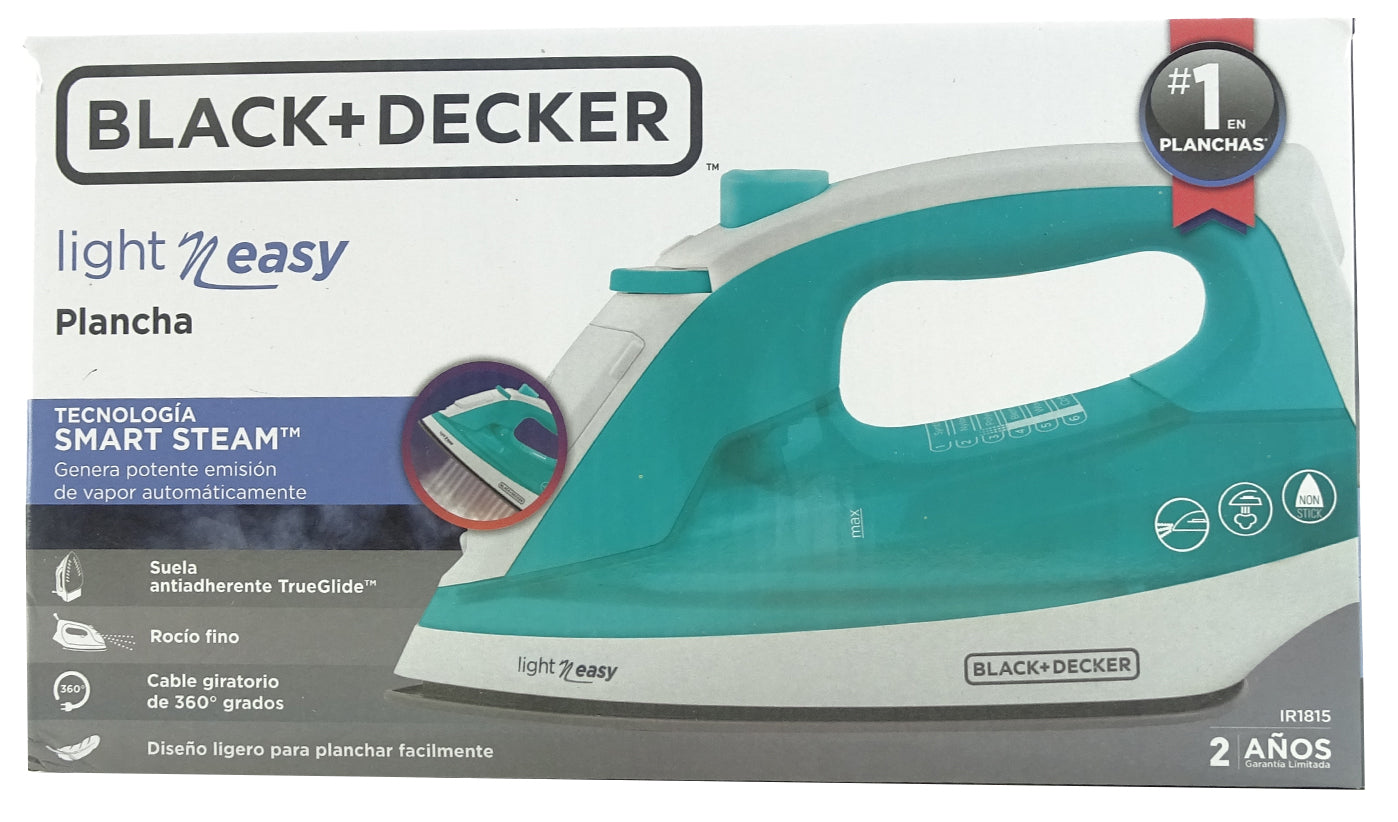
Let's face it, ironing might not be the most glamorous chore, but with the right tools and a little know-how, it can actually be... dare I say... satisfying? Especially when you're rocking a crisp, wrinkle-free outfit! We're diving into the world of the Black and Decker Light 'N Easy Iron temperature settings – a seemingly small detail that can make a huge difference in achieving ironing success. Understanding these settings isn't just about avoiding scorched shirts; it's about preserving your clothes, saving time, and making the whole process a little less painful.
So, why bother understanding these settings? Well, for beginners, knowing your temperature control is key to preventing irreversible damage. Imagine melting your favorite blouse because you accidentally had the iron on "linen"! For families, this knowledge translates to efficiently ironing a variety of fabrics, from delicate baby clothes to tough denim jeans. No more separate ironing piles or guessing games! And for hobbyists like quilters or cosplayers, precise temperature control is absolutely crucial for fusing fabrics, applying interfacing, and achieving professional-looking results. Incorrect heat can ruin hours of intricate work!
The Black and Decker Light 'N Easy usually features a dial with fabric settings indicated – often with icons or abbreviated names. Think "synthetic," "silk," "cotton," and "linen." These correspond to different heat levels. Synthetics require the lowest heat to avoid melting, while linen needs the highest to effectively remove stubborn wrinkles. Cotton is a mid-range setting, suitable for shirts, sheets, and many common fabrics. Silk needs a gentle hand and lower heat to prevent scorching or damaging the delicate fibers. Some models might also include a "steam" setting, which further enhances wrinkle removal, particularly for thicker fabrics like denim.
Must Read
Beyond the standard settings, there are some variations to consider. Some Black and Decker models include a "self-cleaning" function, which uses a burst of steam at a high temperature to flush out mineral deposits. This helps maintain the iron's performance over time. Also, pay attention to any specific fabric care instructions on your garment's label. If it says "cool iron only," stick to the synthetic or silk setting, even if the fabric feels like cotton. It's always better to err on the side of caution!

Getting started is easy! Here are a few practical tips: First, always preheat your iron to the desired setting before starting to iron. Second, test the heat on an inconspicuous area of the garment first, like an inside seam. This will help you avoid any accidental damage. Third, use a spray bottle to lightly dampen stubborn wrinkles before ironing. The moisture helps the iron glide more easily and removes wrinkles more effectively. Fourth, iron on a clean, padded ironing board. A good ironing board will provide a stable and heat-resistant surface.
Mastering the Black and Decker Light 'N Easy iron temperature settings might seem like a small thing, but it can unlock a whole new level of ironing confidence. You'll be able to tackle any fabric with ease, knowing that you're protecting your clothes and achieving professional-looking results. So, embrace the power of precise temperature control and enjoy the satisfaction of perfectly pressed garments!