Biggest City In United States By Area
Ever wonder what makes a city truly "big"? Most of us probably think of towering skyscrapers, bustling subways, and millions of people packed into a dense urban core. We picture places like New York City or Los Angeles. And while those cities are undeniably huge in terms of population and economic power, have you ever stopped to consider what it means to be the biggest city in the United States when we're talking about pure, unadulterated land area?
It's a really fun and curious topic to dive into because it completely flips our usual understanding of urban scale on its head. When we shift our focus from population density to physical acreage, a different set of American cities rises to the top, often ones we might not immediately associate with being "the largest." Exploring this isn't just a trivia game; it helps us understand the incredible diversity of urban forms in the U.S. and challenges our preconceptions about what a "city" truly is.
The purpose of understanding a city's area isn't just academic; it offers fascinating insights into how these places function. It highlights cities that have, often through historical consolidation with surrounding counties, acquired truly vast municipal boundaries. The benefits are numerous: it deepens our geographical literacy, helps us appreciate the scale of urban planning and infrastructure challenges, and reveals how local governance must adapt to manage everything from remote wilderness to downtown high-rises, all within a single city's jurisdiction. It's about recognizing that some cities are more like small states than typical urban centers, encompassing everything from beaches to farms to industrial parks.
Must Read
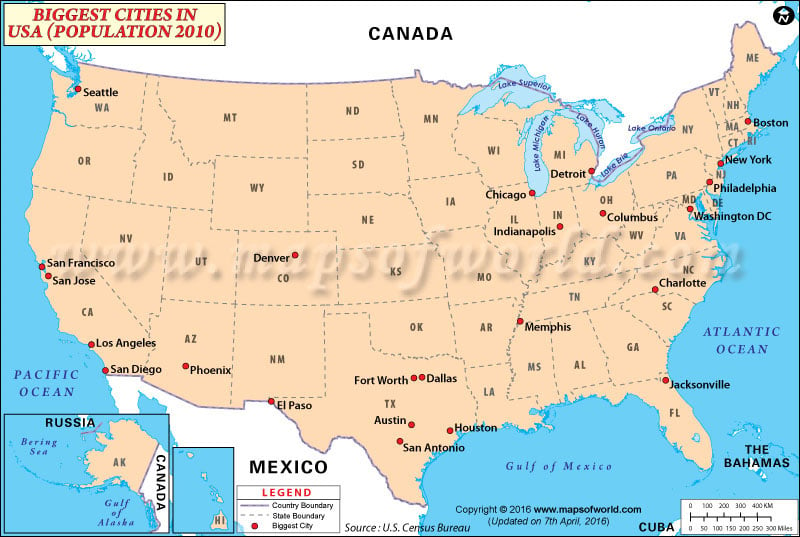
For instance, take a city like Jacksonville, Florida. While it’s certainly a major metropolitan area with a significant population, its claim to being one of the largest (if not the largest, depending on how you measure and exclude unpopulated areas) by area in the contiguous United States comes from its 1968 consolidation with Duval County. This created a single municipal government covering over 750 square miles! How does this play out in daily life or education? In geography classes, it's a prime example of urban sprawl and city-county consolidation. For someone considering moving there, understanding its vastness means realizing that "Jacksonville" can encompass everything from vibrant downtown districts to suburban neighborhoods, and even quite rural areas, all under one city flag. Commute times can be significant, and the sense of community might be more localized than in a smaller, denser city.
So, how can you explore this fascinating aspect of city life yourself? It's surprisingly simple! Grab your phone or computer and open up Google Maps or another mapping tool. First, look up a city known for its population, like New York. Then, compare that to a city known for its area, like Jacksonville, Florida (or even Anchorage, Alaska, which is massive thanks to incorporating vast wilderness). Zoom out until you can clearly see the official city limits marked on the map. You'll be amazed at the sheer scale difference! You can also check city government websites or Wikipedia pages; they often list the precise square mileage of a municipality. Don't just look at the numbers; try to visualize what it means for everything from public transport to policing to parks and recreation. It's a fantastic way to broaden your understanding of American cities, one colossal landmass at a time!