Best Winter Temp For House
As the days grow shorter and the world outside takes on that crisp, frosty gleam, there’s a universal ritual that begins in homes everywhere: the thermostat debate. Do you crank it up? Bundle up? Or find that magical middle ground? This seemingly simple question about the best winter temperature for your house isn’t just about a number on a dial; it’s a fascinating dive into comfort, cost, and even a little bit of personal science. It’s a topic that touches everyone, making it incredibly relevant and, dare I say, fun to explore as you cozy up for the season.
The main purpose of finding your ideal winter temperature is a beautiful blend of practical benefits. First and foremost, it’s about achieving optimal comfort. No one wants to shiver through dinner or sweat under the duvet. Beyond that, a well-chosen temperature setting can lead to significant energy savings on your heating bills, which is good for your wallet and the planet. But it's not just about comfort and cash; it also plays a role in your health – preventing a too-cold house that can exacerbate sniffles, or a too-warm one that can dry out nasal passages and promote mold growth. Plus, for homeowners, maintaining a stable, moderate temperature helps protect your home itself, preventing issues like frozen pipes.
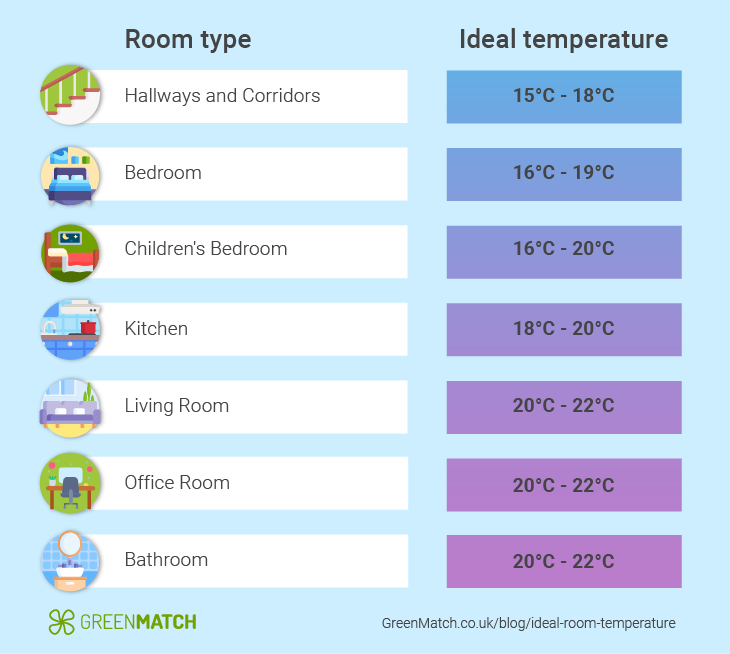
You can see these principles in action every day. Think about a family with different preferences – one person always cold, another always warm – learning to compromise or adjust temperatures in different zones of the house. This is a practical application of understanding thermal comfort. In a more educational sense, exploring this topic can lead you to learn about your home’s insulation effectiveness, the impact of drafty windows, or how humidity affects perceived warmth. Even simple choices, like setting a lower temperature when you’re away at work, teach basic economics of energy consumption. You’re essentially conducting a small experiment in your daily life, observing how your body, your home, and your budget respond to different thermal environments.
Must Read
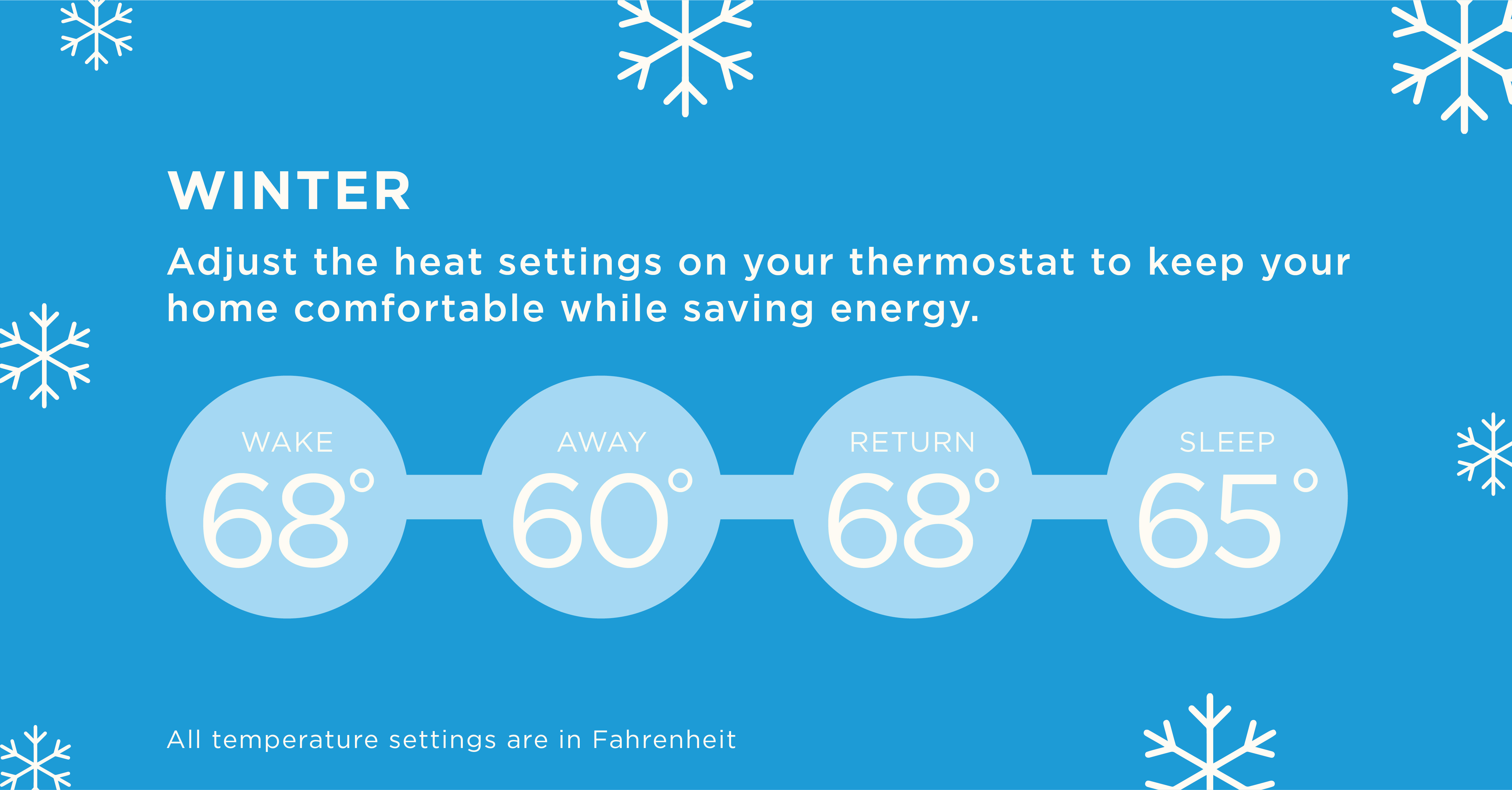
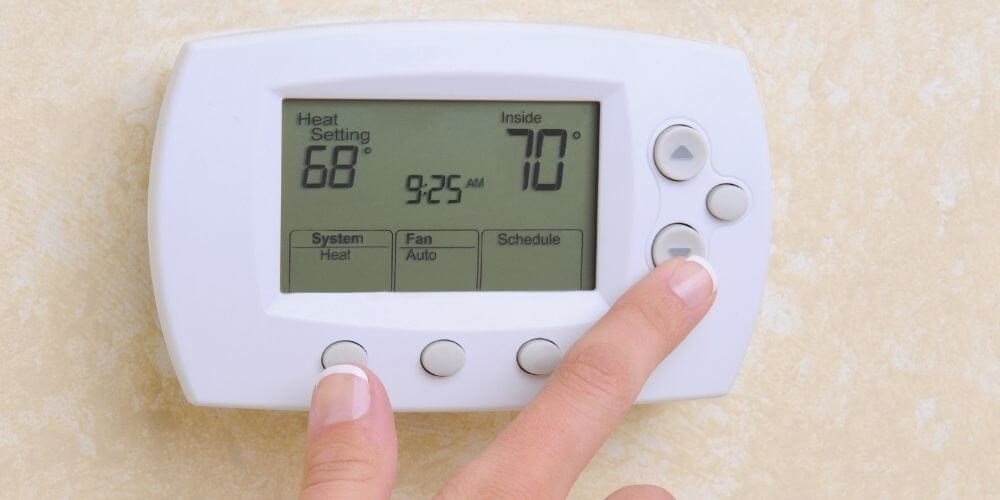
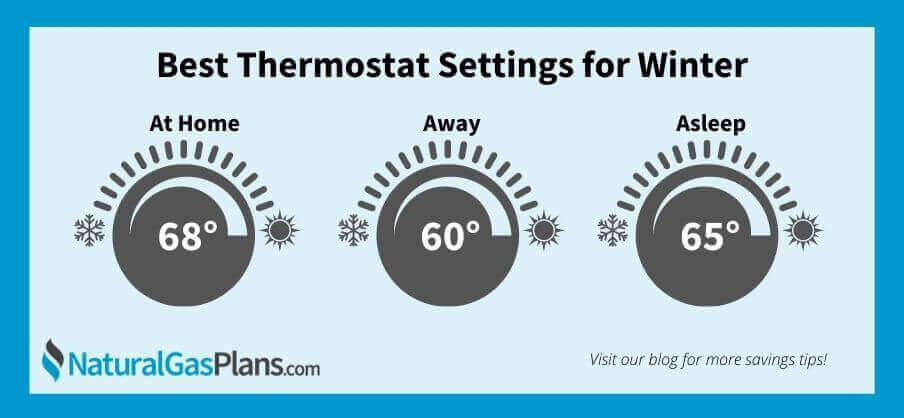
Ready to discover your personal best winter temp? It's easier than you think! A simple way to explore is to experiment. Try setting your thermostat a degree or two lower than usual for a week and see how you feel. Many experts suggest a daytime range of 68-72°F (20-22°C) when you’re home and awake, dropping to 60-65°F (15-18°C) at night or when you’re away. Pay attention to how different rooms feel – south-facing rooms might need less heat. Consider investing in a smart thermostat, which can learn your habits and optimize temperatures automatically, or at least a programmable one. Don't forget the power of layering clothing and sealing drafts in windows and doors – these simple actions can make a lower thermostat setting feel perfectly comfortable, helping you find that sweet spot between cozy warmth and savvy savings.