
Best Welding For Sheet Metal
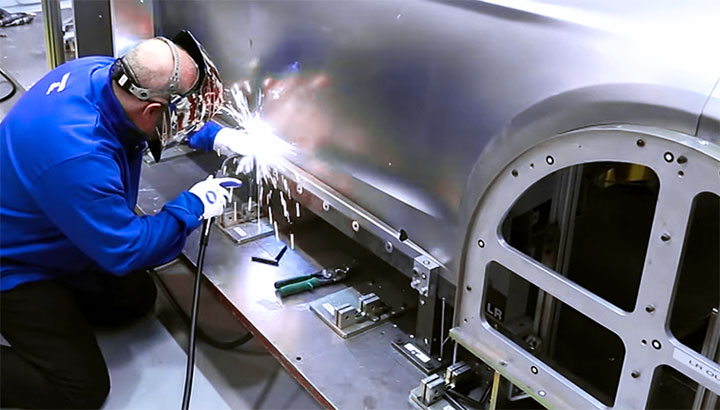
Alright, picture this: I once had this ridiculously flimsy side panel on an old project car – think tin foil, but slightly thicker. It was dinged up, a real eyesore, and I thought, "Hey, I'll just zip a quick bead on that!"
Famous last words, right? I grabbed what I had, a trusty old stick welder (don't judge, we've all been there!), struck an arc, and… poof! A giant hole appeared where the ding used to be. Not exactly the seamless fix I was hoping for. The metal just evaporated, like a vampire caught in sunlight. It was a hilarious, albeit frustrating, lesson in choosing the wrong tool for a very specific job.
And that, my friends, brings us to the glorious, often frustrating, but ultimately rewarding world of welding sheet metal. If you've ever tried to join two pieces of thin gauge steel without turning it into a wavy potato chip or blowing straight through, you know the struggle is real. It's a delicate dance between heat, speed, and precision. So, what's the secret sauce? What's the best welding process for sheet metal?
Must Read
Let's dive in, shall we? Because, spoiler alert, there isn't one magic answer, but there are definitely a few shining stars and some processes you should probably run from like a bad blind date.
The Contenders: Who's Best for That Thin Stuff?
When it comes to sheet metal, we're talking about material that's generally under 1/8 inch thick, often much thinner. Think car body panels, ductwork, art projects, light fabrication. This isn't the place for brute force; it's about finesse. Trust me on this one.
1. TIG Welding (GTAW): The Precision Artist
Ah, TIG welding, or Gas Tungsten Arc Welding. This is often hailed as the king of sheet metal welding, and for very good reason. Imagine having a tiny, super-hot pencil that you can control with surgical precision. That's TIG.
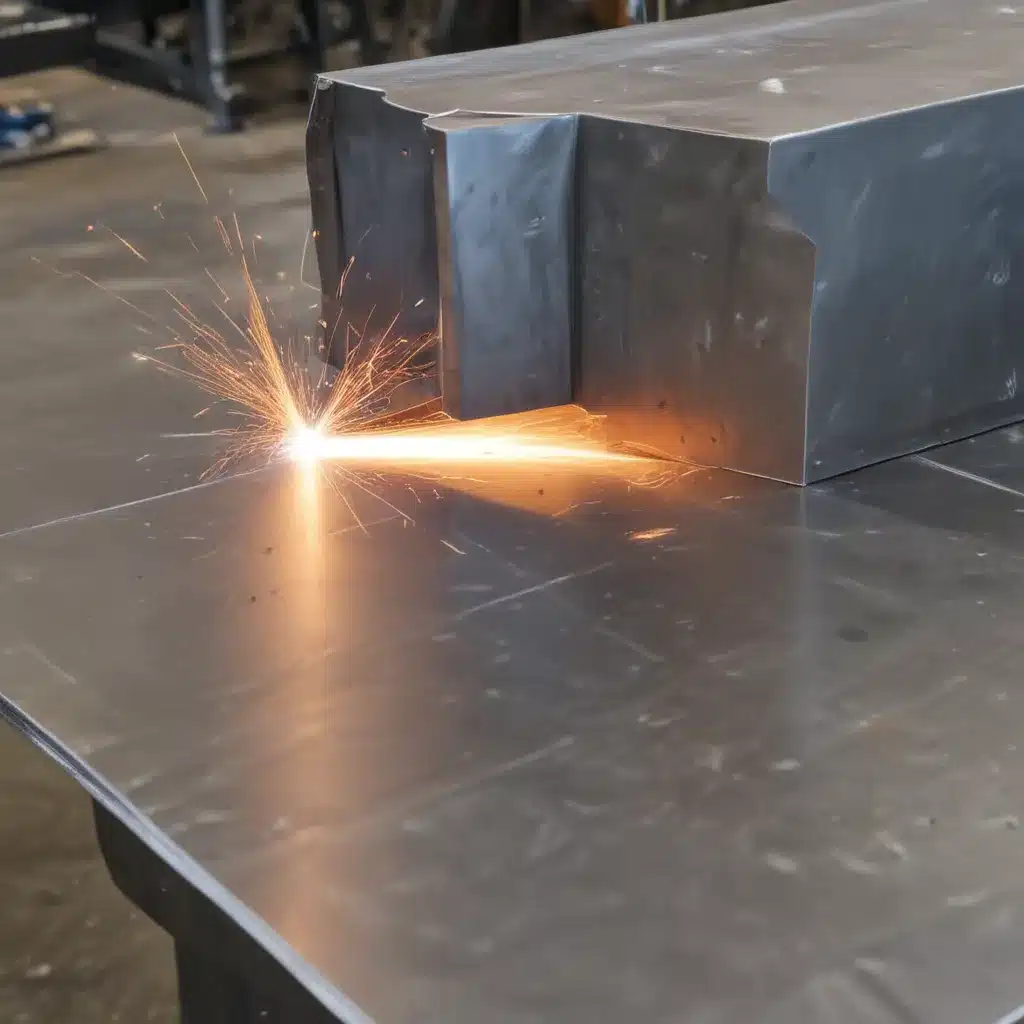
With TIG, you have independent control over the heat (via a foot pedal or finger control), the filler metal (if you use any, sometimes you can just fuse), and the arc. This level of control means you can lay down incredibly small, clean, and strong welds without blasting through your delicate material. The heat affected zone (HAZ) is minimal, which means less warpage – a huge win when you're dealing with thin metal. You're working with 100% pure argon shielding gas, so your welds are super clean and beautiful.
The Catch? TIG has a steeper learning curve. It's like patting your head, rubbing your belly, and reciting Shakespeare backwards all at once when you first start. It's also slower and the equipment can be a bit pricier. But if you're chasing perfection, especially on stainless steel or aluminum sheet, TIG is your best friend.
2. MIG Welding (GMAW): The Speedy Workhorse
Next up, the ubiquitous MIG welding, or Gas Metal Arc Welding. For many hobbyists and professionals alike, MIG is the go-to for its speed, relative ease of use, and versatility. And yes, it can be fantastic for sheet metal.
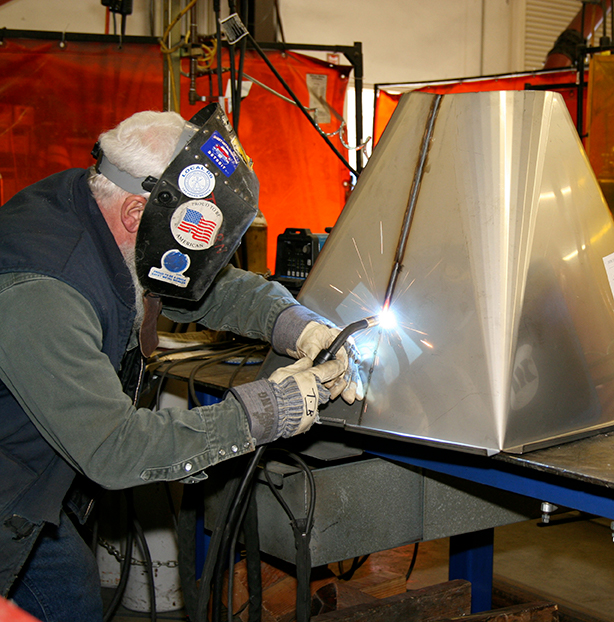
Unlike TIG, MIG is a wire-fed process, meaning the filler metal is automatically dispensed. This makes it much faster. For sheet metal, you'll want to use a very small diameter wire (like .023" or .024") and a shielding gas of C25 (75% Argon, 25% CO2) or even 100% Argon for aluminum. The key here is to keep your heat settings low, move quickly, and often use a "tack, skip, tack" method to prevent heat buildup and warpage.
A Pro Tip for Sheet Metal MIG: Look for a MIG welder with a pulse MIG feature. This allows the machine to cycle between a high peak current and a lower background current, giving you excellent penetration control with less heat input. It's like having a TIG's finesse with a MIG's speed. Pretty neat, right?
MIG is often considered the best all-around choice for general sheet metal fabrication where speed and ease of learning are important. It's more forgiving than TIG for beginners, but you still need to practice to avoid those dreaded blow-throughs.
3. Flux-Cored Arc Welding (FCAW): The Less-Than-Ideal Option
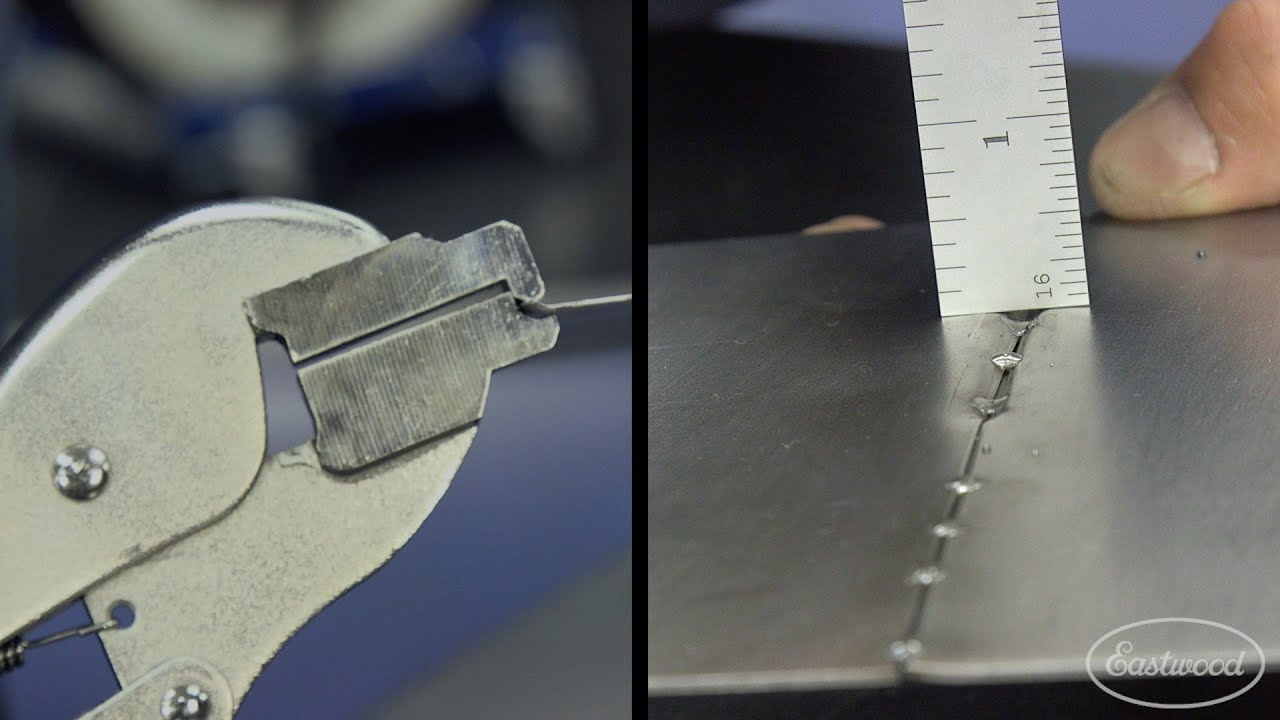
Now, let's talk about flux-cored welding. This is essentially MIG without the external shielding gas, as the wire itself contains flux that creates the shielding. While it's great for outdoor work and rusty material, especially on thicker stuff, it's generally not recommended for thin sheet metal. Why?
Flux-cored wire tends to generate more heat, more spatter, and doesn't offer the fine control you need for delicate thin material. You'll likely end up with more cleanup, more warpage, and a higher chance of blowing holes through your work. If you're stuck with only a flux-cored welder, it's possible to do very short tacks, but honestly, you'll be fighting an uphill battle. Just sayin'.
4. Stick Welding (SMAW): The Absolute No-Go (Usually)
Remember my opening anecdote? That was a stick welder. And while I love stick welding for its brute strength on thicker materials, it's like trying to perform delicate surgery with a sledgehammer on sheet metal. The electrodes are too big, the heat is too intense, and the arc is too aggressive for anything thin. Unless you're a Jedi master of welding, just don't even think about it for sheet metal. Seriously, save yourself the frustration.

So, What's the Verdict for YOU?
Ultimately, the "best" welding for sheet metal depends on your specific needs:
- For ultimate precision, control, and aesthetic quality, especially on aluminum or stainless, TIG is the undisputed champion. It's worth the learning curve if perfection is your goal.
- For a great balance of speed, ease of use, and versatility on mild steel sheet metal, MIG welding (with the right settings and small wire) is probably your best bet. Pulse MIG takes it to another level.
No matter which process you choose, remember that heat management is everything when welding sheet metal. Practice on scrap pieces of the exact same thickness and material you'll be working on. Learn to dial in your machine, understand your travel speed, and get comfortable with tacking methods to prevent warpage. Your future self (and your pristine sheet metal projects) will thank you!
Happy welding, folks! May your beads be beautiful and your sheet metal always stay flat.