Best Raw Food For German Shepherd Puppy

Okay, you've got a German Shepherd puppy! First of all, congratulations! Prepare for a whirlwind of fluff, boundless energy, and those adorable, oversized paws. But with this little ball of fur comes a big responsibility: making sure they get the absolute best start in life. And that, my friend, includes choosing the right food.
Now, you might be hearing a lot about raw food diets these days. Is it just a fad? Absolutely not! When done right, it can be a fantastic way to fuel your growing Shepherd. But let's be honest, navigating the world of raw feeding can feel a bit like trying to solve a Rubik's Cube blindfolded. So, let's break it down, shall we?
Why Raw? A Tail-Wagging Good Time
Why are so many people singing the praises of raw food for their dogs? Well, proponents argue that it more closely mimics what dogs would naturally eat in the wild. Think back to their wolf ancestors. Were they munching on kibble? Probably not! Raw diets, also known as BARF (Biologically Appropriate Raw Food) or prey model diets, focus on fresh, unprocessed ingredients.
Must Read
Here's the potential upside: a shinier coat, healthier skin, improved digestion (less of that kind of yard cleanup, if you catch my drift!), stronger teeth, and even increased energy levels. Imagine your Shepherd puppy bouncing around with even more enthusiasm – is that even possible?!
However, it’s crucially important to understand that a poorly balanced raw diet can actually do more harm than good. So, do your research!
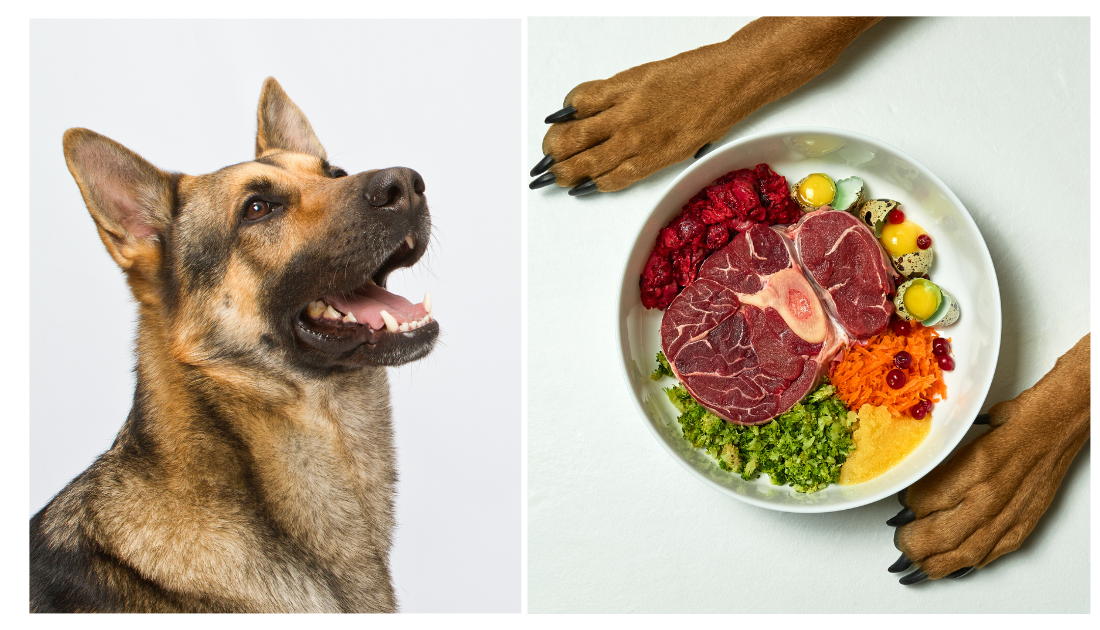
Building Blocks: The Best Raw Food Choices
So, what exactly goes into a raw diet for a German Shepherd puppy? Here's a peek at some of the key ingredients:
- Muscle Meat: This is your foundation! Think beef, chicken, lamb, turkey – the kind of stuff that builds strong muscles and provides essential protein. Choose quality cuts whenever possible.
- Raw Bones: Not cooked! Never cooked bones, as they can splinter and cause serious problems. Raw bones, however, are a fantastic source of calcium and phosphorus, crucial for bone development. Plus, they keep your puppy entertained! Chicken necks and wings are often good starting points.
- Organ Meat: Okay, I know, "organ meat" doesn't sound particularly appetizing, but trust me on this one. Organs like liver, kidney, and heart are packed with vitamins and minerals. They’re a nutritional powerhouse! But remember, moderation is key. Too much organ meat can lead to digestive upset.
- Fruits and Vegetables: Yes, even carnivores can benefit from some plant-based goodness! Small amounts of dog-safe fruits and veggies like blueberries, spinach, and carrots can provide antioxidants and fiber.
- Supplements: Depending on your recipe, you might need to add certain supplements, like fish oil (for omega-3 fatty acids) or a vitamin E supplement, to ensure your puppy is getting everything they need.
Important note: German Shepherd puppies are prone to certain joint issues, like hip dysplasia. A properly balanced raw diet, with the correct calcium-to-phosphorus ratio, can help support healthy bone and joint development. It’s something to really pay attention to!

Raw Feeding 101: Puppy Edition
Now, let's talk about feeding your puppy. Remember, they're growing like weeds, so their nutritional needs are much higher than an adult dog's.
- Start Slowly: Don't just switch to a full raw diet overnight! Gradually introduce raw foods over a period of several days to allow their digestive system to adjust.
- Proper Ratios: The general guideline is around 80% muscle meat, 10% raw edible bone, and 10% organs. But this can vary depending on the puppy's age, activity level, and individual needs.
- Hygiene is Key: Raw meat can harbor bacteria, so always wash your hands thoroughly and sanitize surfaces after preparing your puppy's meals. Use separate cutting boards and bowls for raw meat.
- Consult a Professional: This is perhaps the most important tip of all! Work with a veterinarian experienced in raw feeding or a certified canine nutritionist to create a balanced diet plan specifically tailored to your German Shepherd puppy. Don't try to wing it!
DIY vs. Pre-Made: What's Right for You?
You have two main options when it comes to raw feeding: preparing the meals yourself (DIY) or buying pre-made raw food. DIY gives you complete control over the ingredients, but it requires a significant time commitment and a thorough understanding of canine nutrition. Pre-made raw food is more convenient, but it's often more expensive. Weigh the pros and cons of each option carefully.

Think about your lifestyle. Do you have the time and dedication to meticulously plan and prepare meals? Or would you rather have the convenience of pre-made options? Both can be excellent choices; it all boils down to what works best for you and your furry friend.
A Happy, Healthy Shepherd Awaits!
Embarking on a raw feeding journey with your German Shepherd puppy can be incredibly rewarding. Seeing them thrive on a nutritious, natural diet is a joy. Just remember to do your homework, prioritize safety, and seek guidance from experts. It's an investment in their long-term health and happiness. And trust me, those happy tail wags are worth every bit of effort! So go ahead, dive in, and watch your puppy flourish!
Feeling inspired? That's fantastic! The world of raw feeding is vast and fascinating, and there's always something new to learn. Don't be afraid to ask questions, explore different resources, and connect with other raw-feeding enthusiasts. You've got this!