Best Pillow Side And Back Sleeper
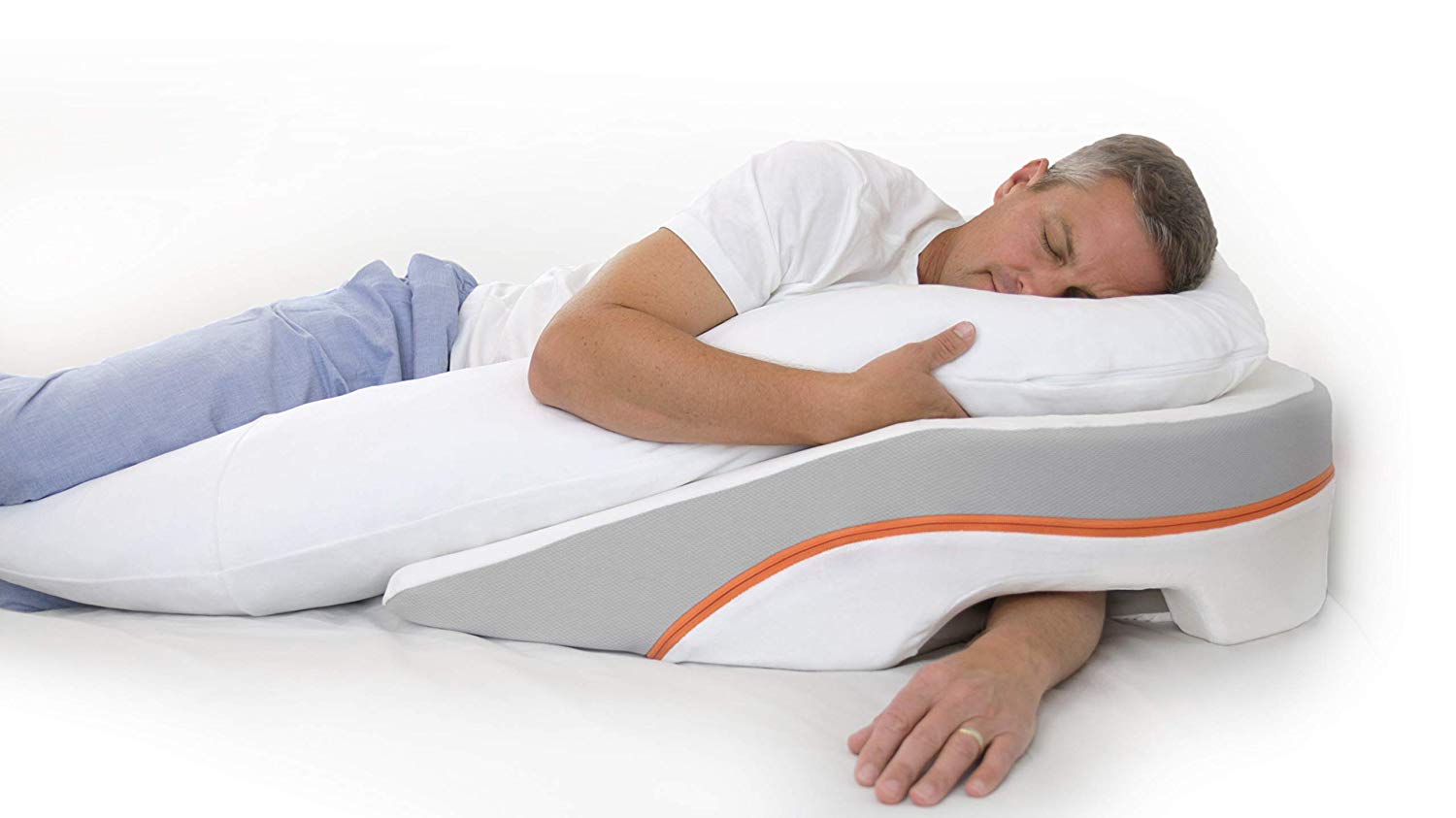
Ever wake up feeling like you wrestled a badger all night? Or maybe just a little…creaky? Chances are, your pillow might be part of the problem. It's something we often overlook, but finding the perfect pillow for your sleep style – especially if you’re a side or back sleeper – can be a total game-changer. Think of it as an investment in your well-being, leading to better sleep and a happier you! This isn't just about comfort; it's about proper spinal alignment, which affects everything from neck pain to headaches and even snoring.
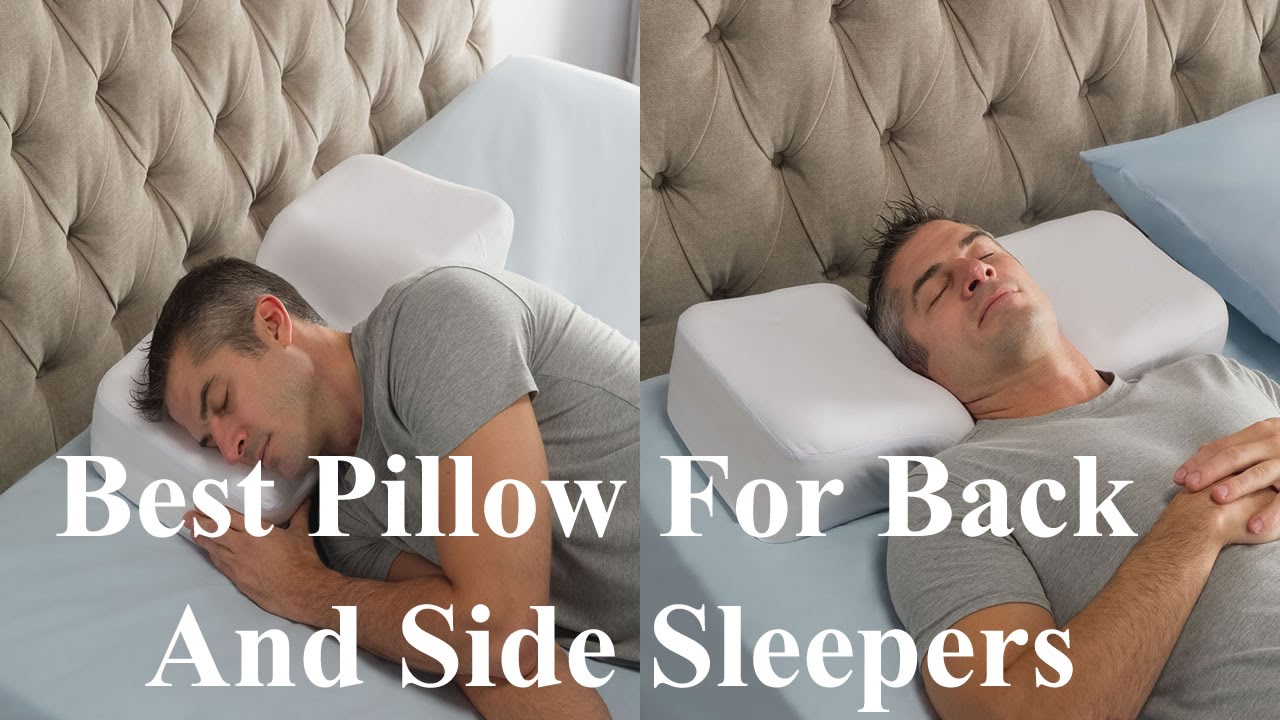
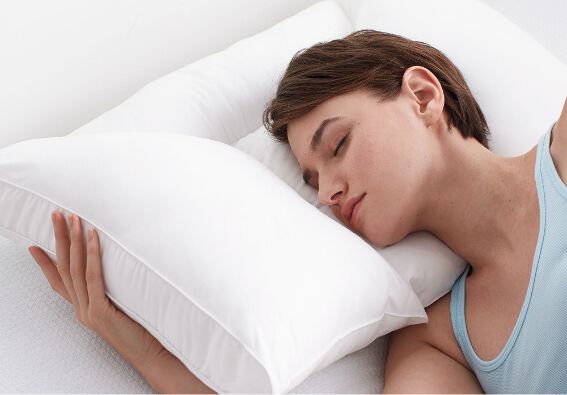
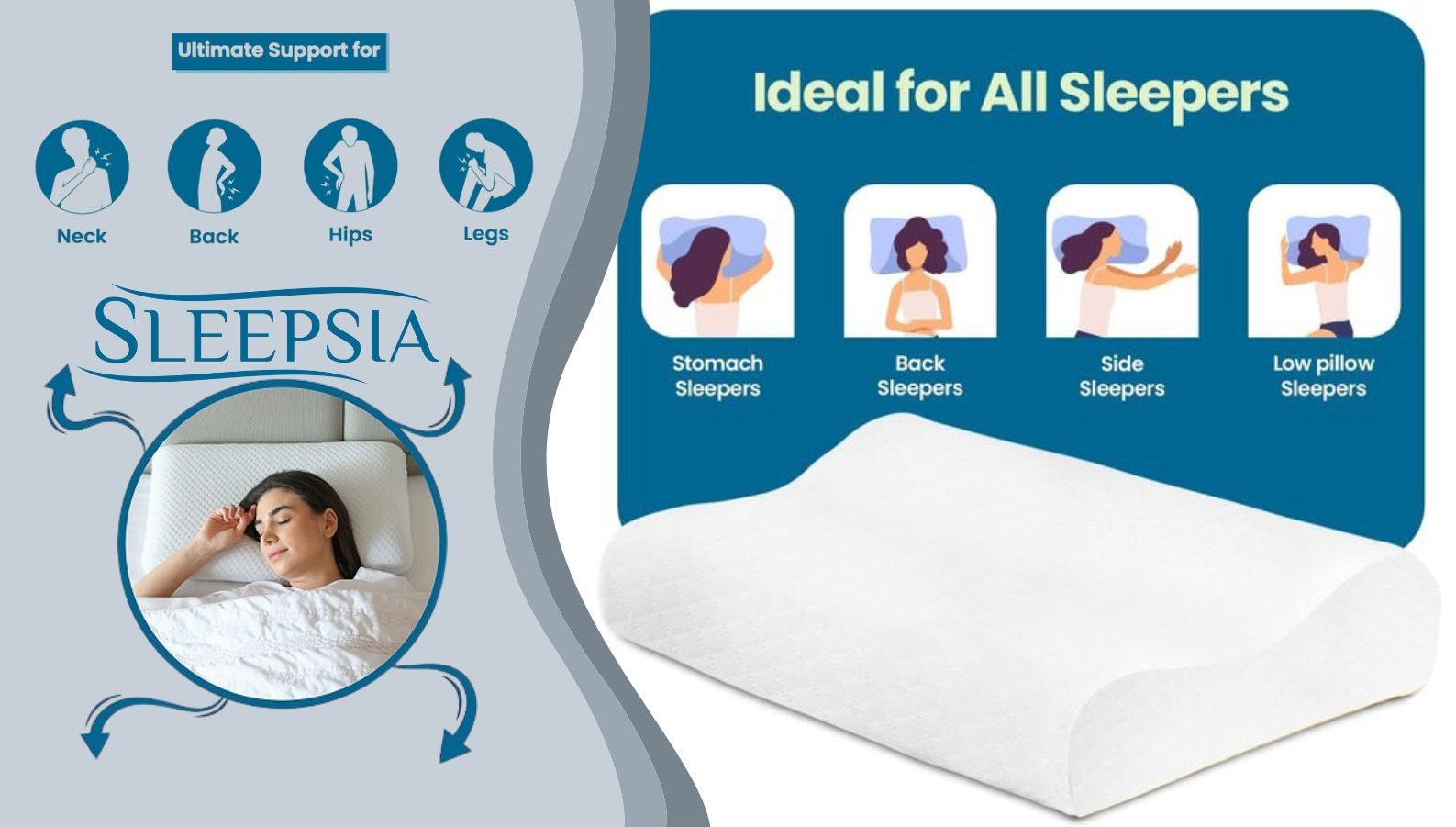
So, what’s the big deal about pillows specifically designed for side and back sleepers? The core purpose is to provide the right level of support to keep your neck and spine aligned. A good pillow fills the gap between your head and the mattress, preventing your neck from bending at an unnatural angle. For side sleepers, this usually means a thicker, firmer pillow to support the larger gap between their head and shoulder. For back sleepers, a thinner, often contoured pillow is preferred to maintain the natural curve of the neck without pushing the head too far forward.
The benefits extend far beyond just comfort. Proper spinal alignment can reduce neck and back pain, improve breathing by opening up airways, and even contribute to fewer headaches. Think about it: if your neck is kinked at an odd angle all night, those muscles are working overtime. Over time, this can lead to chronic pain and discomfort. A well-chosen pillow, on the other hand, allows those muscles to relax and recover.
Must Read
Believe it or not, understanding pillow types can even be useful in education! Imagine teaching a health class about ergonomics and the importance of posture. Discussing the role of pillows in maintaining spinal alignment is a practical, relatable example of how to apply these principles in daily life. And in daily life, the examples are endless. Think of that stiff neck after a long flight – probably aggravated by a subpar airplane pillow. Or consider the student hunched over a desk – a good pillow at night can help counteract that poor posture. The right pillow supports better rest, and better rest supports better focus and performance.
Ready to explore the world of pillow perfection? Here are a few practical tips to get you started: First, consider your dominant sleep position. Are you mostly on your side, your back, or a mix? Next, pay attention to your current pillow. Is it too flat? Too thick? Does it provide enough support? Try folding a towel to different thicknesses and placing it under your head to simulate different pillow heights. This can give you a sense of what feels most comfortable. Finally, don't be afraid to experiment! There are tons of different pillow materials (memory foam, down, latex, etc.) and shapes out there. Look for pillows that are specifically designed for side or back sleepers, and read reviews to see what others with similar sleep styles have found helpful. Many retailers have generous return policies, so you can try a pillow out for a few nights and return it if it’s not a good fit. Happy sleeping!