
Best Natural Gas And Carbon Monoxide Detector
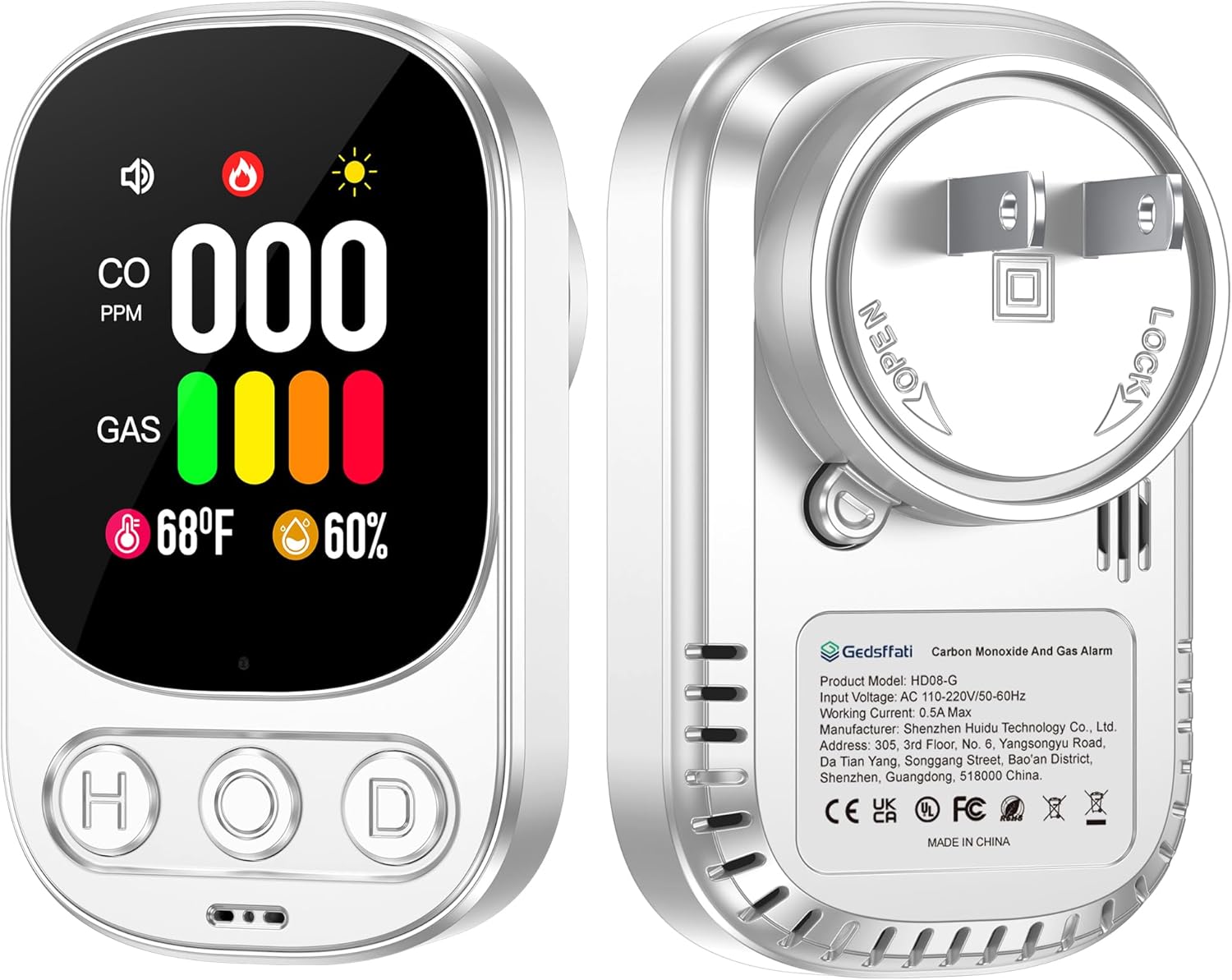
Hey there, fabulous human! Let's chat about something super important, but we'll keep it light and fun, I promise! We're diving into the world of natural gas and carbon monoxide detectors. Now, before your eyes glaze over thinking, "Ugh, safety stuff," hear me out! This is like giving your home a personal, invisible superhero – one that literally breathes for you, ready to sound the alarm when things get a little... hissy or silent but deadly.
Think about it: natural gas leaks are explosive (yikes!), and carbon monoxide (CO) is a sneaky, odorless, colorless gas that can make you feel sleepy, then woozy, then... well, let's just say it's not a fun ride. Both are total party poopers, and our noses aren't always up to the job. That's where our handy-dandy detectors come in, like tiny guardian angels with really loud voices.
What Are We Even Looking For in a Guardian Angel?
When you're picking out one of these lifesavers, you want the best of the best, right? So, let's break down the features that make a detector truly shine:
Must Read
1. The Mighty Combo (Dual Sensing!):
Why get two separate detectors when you can get one that does both? Many of the top contenders are dual-sensing, sniffing out both natural gas (usually methane and propane) AND carbon monoxide. It's like a two-for-one deal, but for your safety! Less clutter, double the protection. Plus, it means fewer batteries to change (score!).
2. A Voice That Commands Attention (Loud Alarm):

This isn't the time for a gentle chime. You need an alarm that's going to rip you out of a deep sleep, even if you’re dreaming of fluffy kittens. Look for decibel levels of 85dB or higher. Trust me, you want it loud enough to wake the dead... or at least your sleepy teenager on a Saturday morning.
3. Power Play (Battery Backup):
What happens if the power goes out? Danger doesn't clock out just because the lights do! A good detector will have a battery backup (or be entirely battery-powered) to keep an eye on things, even when the grid is taking a nap. Always check the battery life indicator!
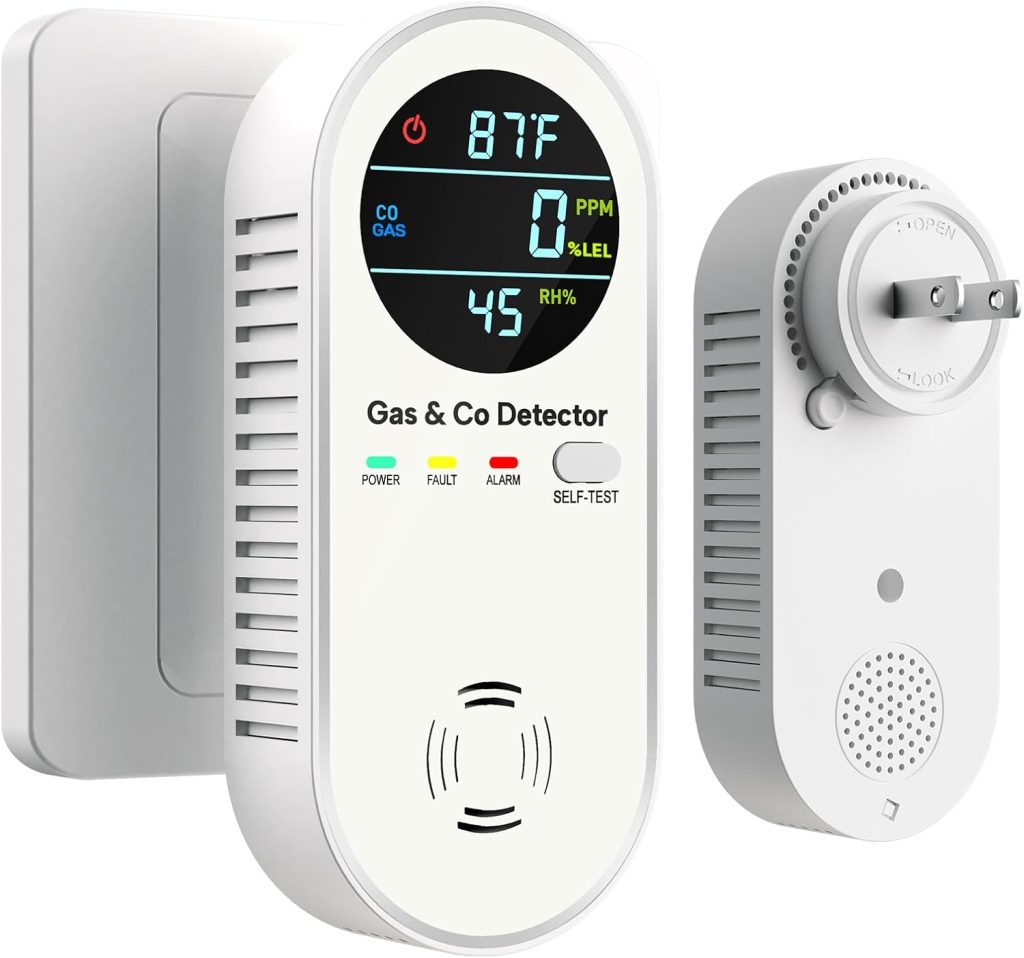
4. The Information Hub (Digital Display):
Some fancy models come with a digital display. This isn't just for show! It can display current CO levels, peak levels, and even indicate if there's a gas leak detection. No more guessing games! It’s super helpful for peace of mind and knowing if things are just a little bit off, or totally "evacuate now!"
5. DIY-Friendly (Easy Installation):
You shouldn't need a PhD in engineering to install your safety device. Most great detectors are designed for simple, plug-and-play installation or easy mounting. If it looks like a puzzle from another dimension, put it back. You've got better things to do, like perfecting your sourdough starter.

6. The Smarty Pants (Smart Features):
For the tech-savvy safety nut, some detectors connect to your Wi-Fi! This means you can get app alerts on your phone if something's amiss, even when you're not home. Imagine getting an alert while you're at work, giving you time to call for help. Pretty cool, right? It's like your home is sending you a text: "Help! There's a gas-y situation!"
So, Who Are the Top Contenders?
While I can't name one single "best" (everyone's needs are a little different, like choosing your favorite pizza topping!), here’s what to look for when scouting out brands:

- Reliability: Stick with well-known, reputable brands. Check reviews! Are people consistently happy (or alive, which is more important)?
- Longevity: CO sensors typically last 5-7 years, while gas sensors can go 5-10. Your detector will often chirp when it's time for retirement. When it does, thank it for its service and replace it promptly!
- Certifications: Look for certifications from recognized safety organizations like UL (Underwriters Laboratories) or CSA (Canadian Standards Association). These badges mean they've been put through rigorous testing.
Placement is Key, My Friend!
Even the best detector can't do its job if it's hiding in a closet. A few quick tips:
- Near Bedrooms: You want to be woken up, right?
- Near Appliances: Especially those that use natural gas (furnace, water heater, stove).
- Not Too Close to Vents: Airflow can mess with readings.
- Eye Level: For CO detectors, since CO mixes with air. Gas detectors (for methane) might be placed higher since natural gas rises.
Read the instructions for your specific model – they’re not just pretty pictures, they're vital!
Investing in a good natural gas and carbon monoxide detector is truly one of the smartest, simplest things you can do for your home and loved ones. It’s like buying peace of mind in a sleek, plastic casing, standing guard 24/7, silently protecting your most precious asset: your family.
So, go forth, savvy home safety guru! Be proactive, equip your home with this essential device, and then kick back, relax, and breathe easy (literally!), knowing you've got a little hero watching over you. Here's to safe snuggles, delicious dinners, and a home that's sound, safe, and ready for all your adventures!