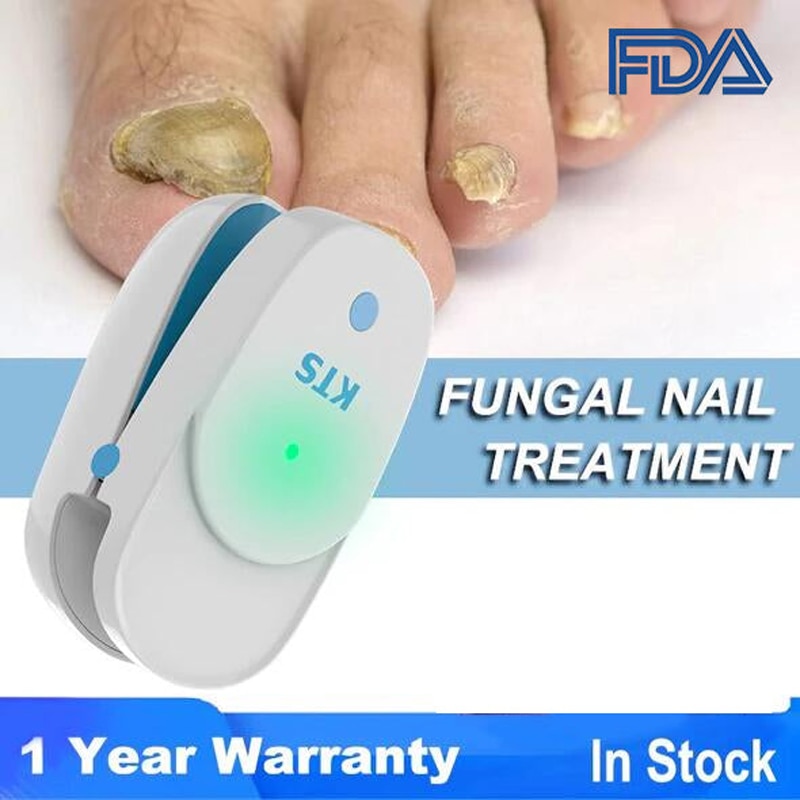
Best Nail Fungus Laser Device Reviews
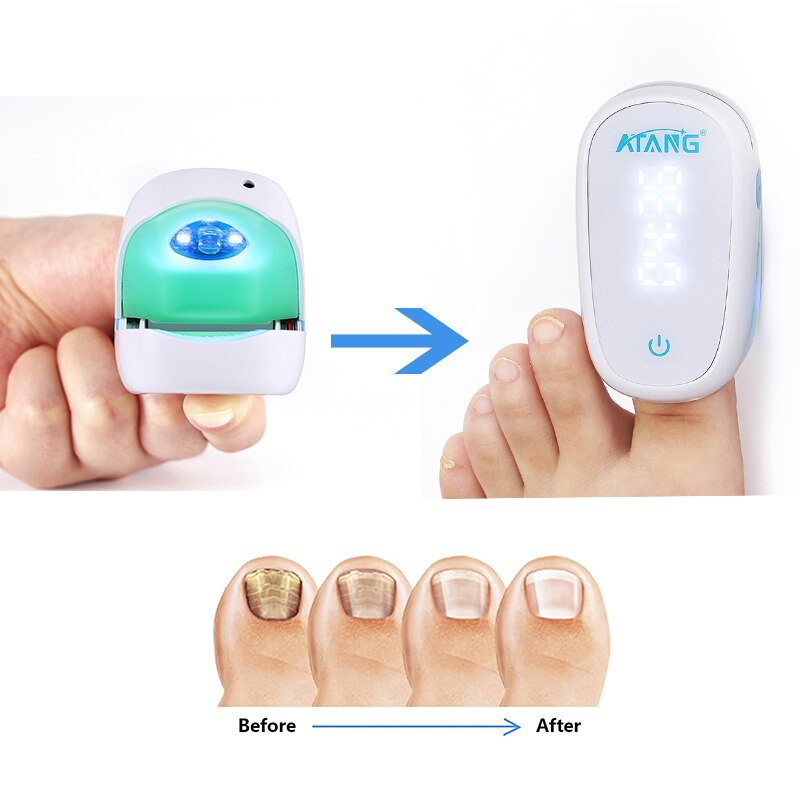
Okay, confession time. Remember that awesome beach vacation I took last summer? Sun, sand, cocktails…bliss! Except, not really. Somewhere between the questionable hotel shower and those shared flip-flops (never again!), a tiny, unwelcome guest decided to hitch a ride on my big toe. Yup, you guessed it: nail fungus. At first, I ignored it. “It’ll go away on its own,” I told myself. Famous last words, right? It did not go away. In fact, it got, shall we say, rather enthusiastic. Which is why I dove headfirst into the rabbit hole of nail fungus treatments, culminating in the world of laser devices. And trust me, it's a wild world. So, let’s talk lasers, baby!
Why Lasers, Though?
Before we get into specific devices, let's address the elephant in the room: why lasers? Because, my friends, traditional treatments can be… well, let's just say they can be about as effective as shouting at the fungus to leave. Topical creams often struggle to penetrate the nail, and oral medications come with a side of potential side effects that make you question your life choices. (Seriously, read the labels. Yikes!). Lasers, on the other hand, aim a concentrated beam of light directly at the fungus, theoretically cooking it from the inside out. Sounds pretty cool, right? But does it actually work? And are those at-home devices worth the hype?
Here's the thing: laser treatment, especially in a clinical setting, can be effective. It's all about delivering the right wavelength and intensity of light to kill the fungus without damaging the surrounding tissue. The question is, can you get that same level of effectiveness at home?
Must Read
At-Home Laser Devices: The Good, The Bad, and The Fungus-y
Okay, so you’re thinking about skipping the doctor's office and blasting your fungus with a handheld laser in the comfort of your own living room. I get it! Convenience is king (or queen!). There are a bunch of these devices on the market, all promising miraculous results. But buyer beware! Not all lasers are created equal.
What to Look For:
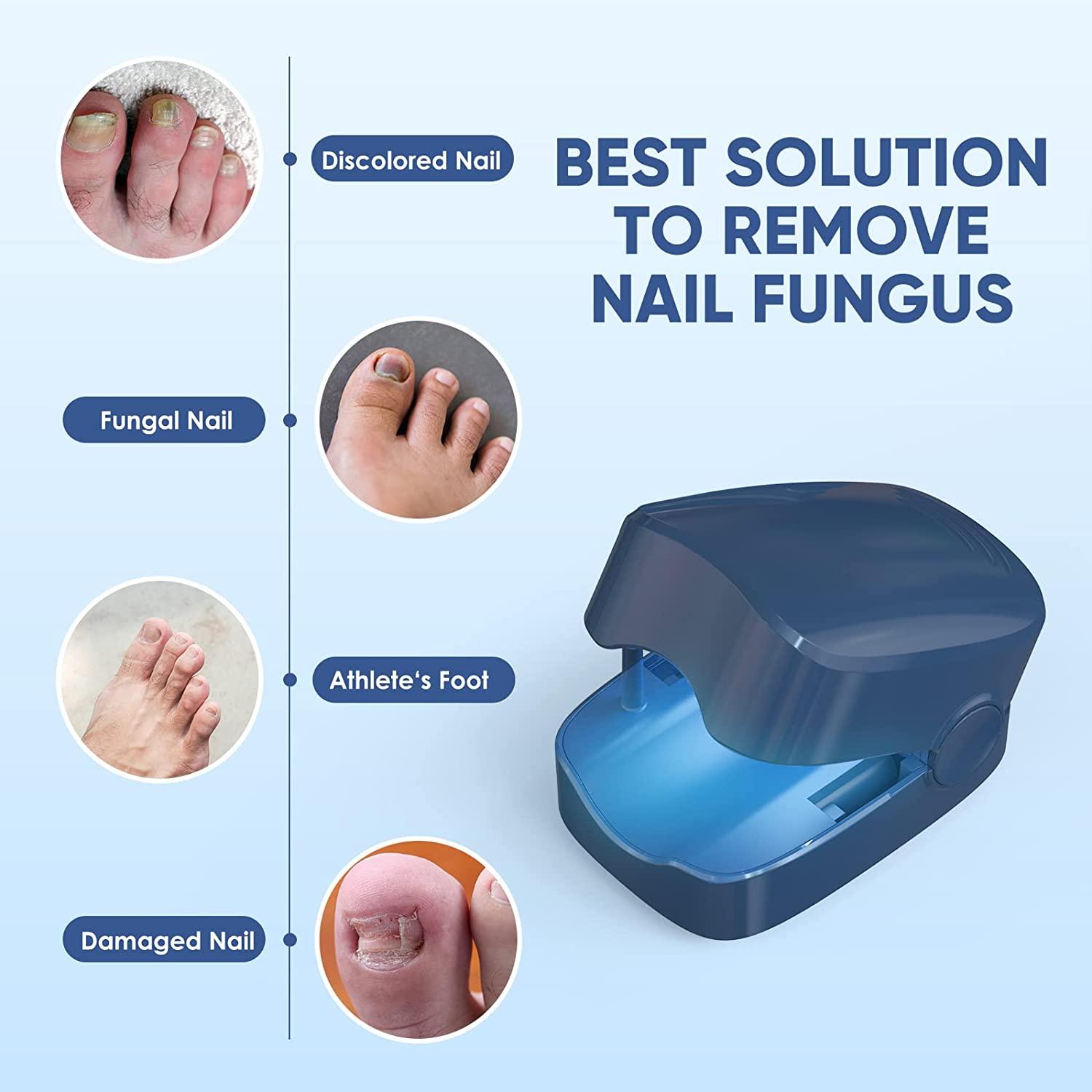
- Wavelength: Most at-home devices use infrared light. Look for devices that specify the wavelength (e.g., 905nm). This is the spectrum that has been studied, and thought to work against nail fungus.
- Clinical Studies: Does the device have any actual clinical studies backing up its claims? If the manufacturer's website is full of vague promises and zero data, that's a red flag. (Big red flag, actually).
- User Reviews: Read reviews from real users (not just the ones on the manufacturer's website). Pay attention to both positive and negative experiences. Were there any unexpected side effects? Did the device actually work, or was it just an expensive paperweight?
- Safety Features: Make sure the device has safety features like automatic shut-off and eye protection (even though the light is usually low intensity, better safe than sorry!).
Device Roundup (A Quick & Dirty Overview):
I'm not going to name specific brands here (because, disclaimer, I'm not a doctor, and I'm not endorsing any particular product). But here's a general overview of what you might find:

- The Budget-Friendly Options: These are usually the cheapest devices on the market. They often lack strong clinical backing and may not be very powerful. They might help with mild cases, but don't expect miracles. (Think of it like trying to put out a bonfire with a water pistol).
- The Mid-Range Devices: These devices offer a bit more power and often have some clinical data (though always verify it!). They might be a good option for moderate cases of nail fungus.
- The "Top-of-the-Line" Home Devices: These are the most expensive at-home options. They often boast the highest power output and the most impressive-sounding features. But remember, price doesn't always equal effectiveness. Do your research!
Side note: Remember to manage your expectations. Even the most effective at-home laser device isn't going to work overnight. Nail fungus is a stubborn beast, and it takes time for healthy nail to grow in and replace the infected portion. We're talking months, not weeks.
Before You Zap: Important Considerations
Before you drop a bunch of cash on a laser device, consider these crucial points:
- See a Doctor: Seriously. Nail fungus can sometimes mimic other conditions. Get a proper diagnosis from a doctor or podiatrist to rule out anything more serious.
- Combine Treatments: Laser therapy can be more effective when combined with other treatments, such as topical antifungals or oral medication (as prescribed by your doctor, of course!).
- Consistency is Key: These devices require consistent use, often several times a week for months. If you're not committed to the treatment schedule, you're wasting your money.
- Hygiene Matters: Laser treatment isn't a magic bullet. You still need to practice good foot hygiene to prevent reinfection. Keep your feet clean and dry, wear breathable socks, and avoid walking barefoot in public places (especially locker rooms and swimming pools).
So, there you have it: my (slightly cynical, but hopefully helpful) guide to at-home nail fungus laser devices. The world of laser treatment is evolving rapidly, so stay informed and remember to do your homework! And maybe, just maybe, avoid those questionable hotel showers. Trust me on that one.