
Best Macd Settings For 5 Minute Chart
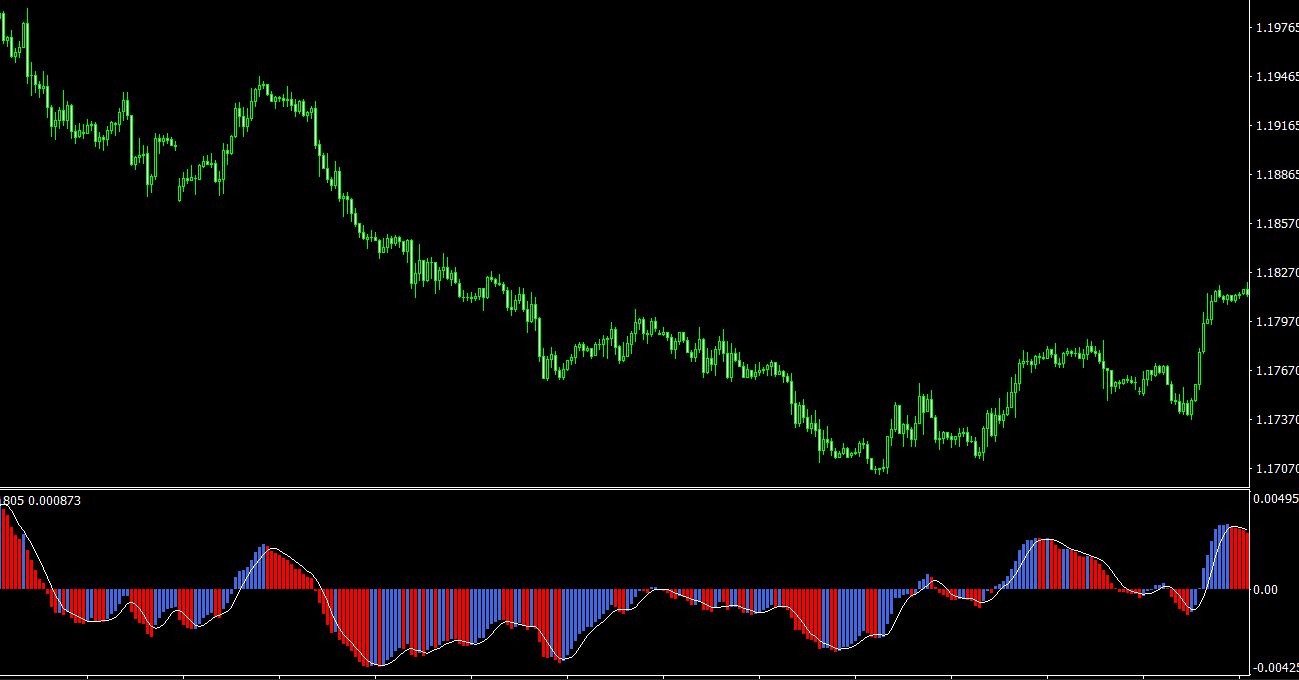
Okay, picture this: me, fueled by lukewarm coffee and the burning desire to finally crack the code to short-term trading, staring intently at a 5-minute chart. I’d been messing around with the MACD for, what felt like, forever. I changed the settings so many times, I was practically alphabetizing them. Default? Check. Some guru's "secret sauce" settings? Check. My birthdate? Hey, gotta try everything, right? Spoiler alert: nothing seemed to consistently work. It was like chasing a greased pig at a county fair. Fun to watch, but ultimately pointless... until I stopped chasing secrets and started understanding the tool.
So, what am I getting at? The "best" MACD settings for a 5-minute chart aren't some magical numbers handed down from the trading gods. They're about finding what works for you, based on your trading style and the specific market conditions.
Understanding the MACD Basics (Because We Can't Skip This Part)
Alright, let's get the technical stuff out of the way. The MACD (Moving Average Convergence Divergence) is basically a momentum indicator that shows the relationship between two moving averages of a security’s price. It's got a MACD line, a signal line, and a histogram. Don't let the jargon intimidate you. Think of it as a way to see if a trend is gaining or losing steam.
Must Read
The default settings are usually 12, 26, and 9. What do these numbers mean?
- 12: The number of periods used to calculate the fast-moving average.
- 26: The number of periods used to calculate the slow-moving average.
- 9: The number of periods used to calculate the signal line (which is a moving average of the MACD line).
These defaults are a good starting point, but for the super-fast 5-minute chart, they might be a little sluggish. They're like trying to parallel park a cruise ship. Possible, but not exactly ideal. (No offense to cruise ships.)

Tweaking for the 5-Minute Timeframe
Here's where things get interesting. Since you're dealing with shorter timeframes, you need to speed things up. Consider using smaller numbers. Why? Because you want the MACD to react quicker to price changes.
Some popular alternatives include:
- 8, 17, 9: This is a common one and often cited as a good starting point for scalping strategies. The faster moving averages react quicker to small price movements.
- 5, 13, 8: Even faster! This is for traders who are really aggressive and looking for very quick entries and exits. Be warned: this can also lead to more false signals.
But, here's the crucial point: backtest, backtest, backtest! Don't just blindly use these numbers because I (or anyone else) said so. Put them to the test with historical data. See how they perform with the assets you like to trade. This is where the real work (and learning) happens.
Beyond the Numbers: Context is King
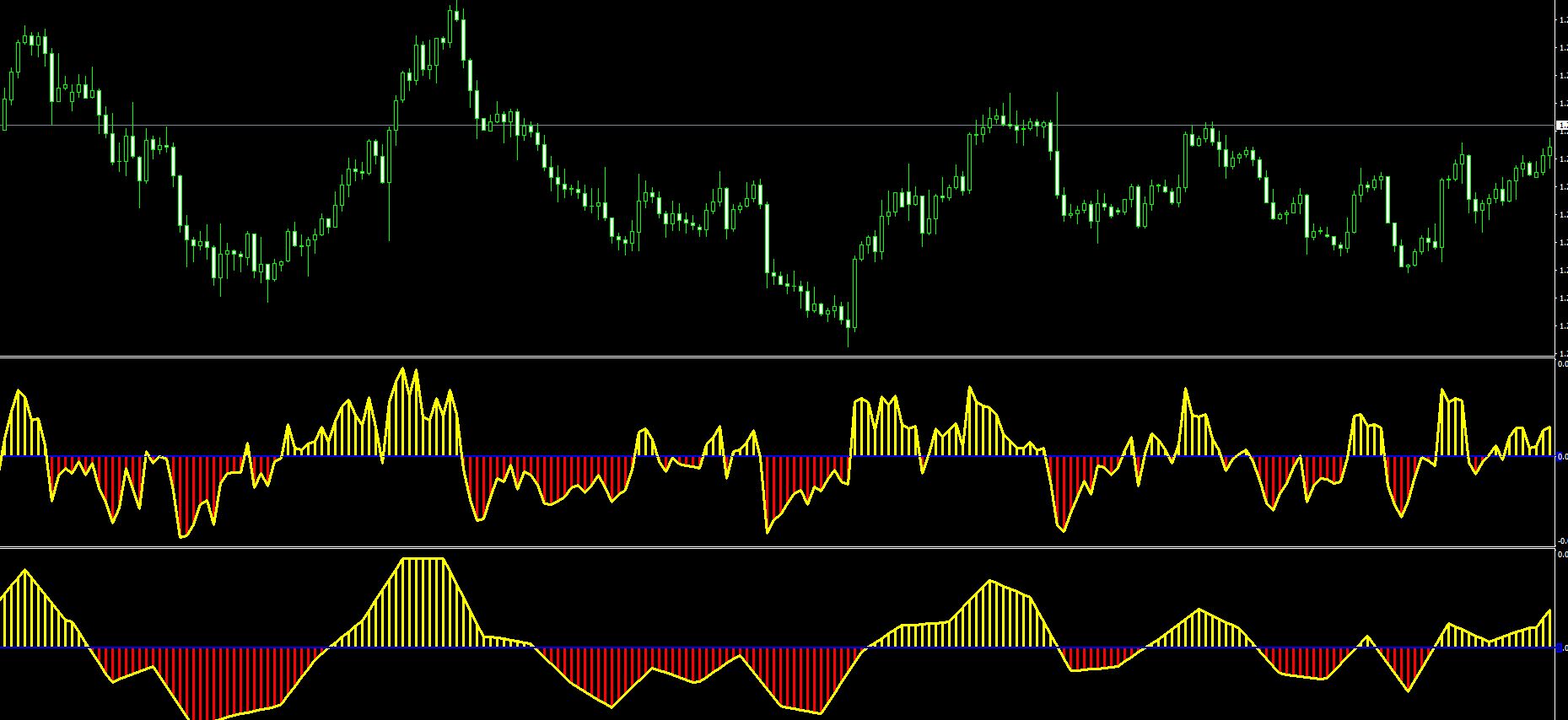
Look, even with the "perfect" MACD settings (which, let's be honest, probably don't exist), you're still gonna need more than just the indicator. You gotta consider the overall market context. Is the market trending up, down, or sideways? What's the news looking like? Are there any major economic releases coming up? These things matter. The MACD is just one piece of the puzzle.
Think of it like this: the MACD is a weather vane. It tells you which way the wind is blowing. But you still need to look at the clouds to see if a storm is brewing. (Okay, maybe I'm stretching the metaphor a little, but you get the point, right?)

Don't Over-Optimize! (Seriously)
It's easy to fall into the trap of endlessly tweaking your MACD settings, searching for that holy grail combination that will guarantee you riches beyond your wildest dreams. (We've all been there.) But trust me, it's a rabbit hole. At some point, you're just optimizing for noise, not signal.
Find a set of settings that work reasonably well, and then focus on developing a solid trading strategy around them. Money management, risk control, and discipline are far more important than having the "perfect" MACD.
Final Thoughts (and a Disclaimer)
So, there you have it. My (somewhat sarcastic) guide to finding the best MACD settings for a 5-minute chart. Remember, there's no magic bullet. It's all about understanding the tool, testing different settings, and incorporating it into a well-rounded trading strategy. And, of course, past performance is never a guarantee of future results. (I have to say that, right? Lawyer's orders.) Good luck, and happy trading! (Just don't blame me if you lose all your money.)
