
Best Front Door Material For Security
Alright, so picture this: it’s 2 AM, pitch black, and you’re happily dreaming of... I don't know, puppies and unlimited pizza. Suddenly, BAM! A sound from downstairs. Your heart does that little lurchy thing, your eyes pop open, and every single one of your senses is suddenly on high alert. You grab the nearest (and least effective) weapon – usually a dusty book – and slowly, cautiously, you start to make your way down the hall.
Turns out, it was just the cat knocking over a stack of magazines. (Classic, right?)
But in that terrifying split second, what was the first thing that popped into your head? For me, it’s always, "Is the front door locked? Is it strong enough?" It’s a primal, instant assessment of your home’s first line of defense. We spend so much time picking out the perfect color, the right knocker, a cute wreath, but how much thought do we really put into how much abuse that door can actually take? Because, let's be real, a pretty door is nice, but a secure door? That's peace of mind right there, my friend.
Must Read
So, you’re looking at your front door, maybe giving it a suspicious side-eye, and wondering: what’s actually the best material for keeping the bad guys out? Good question! Let's dive into the nitty-gritty of what makes a front door a fortress, and what might just be a glorified piece of plywood.
Steel Doors: The Unsung Bouncer
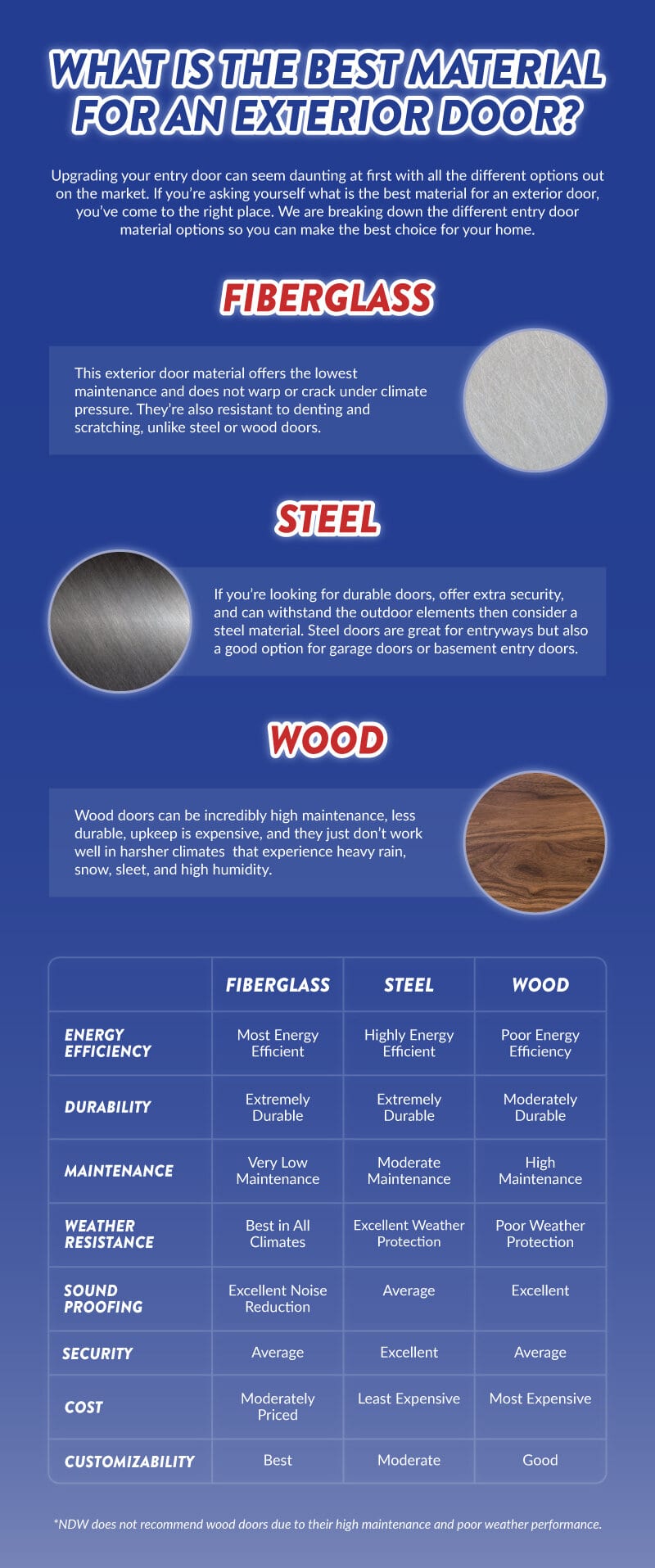
When you think "security," steel probably springs to mind, right? And for good reason! Steel doors are generally considered one of the most secure options out there. We're talking serious muscle. They're built with a steel skin (often 20-24 gauge, with lower numbers meaning thicker steel) over a frame, usually filled with insulation. They're incredibly resistant to kicking, forced entry, and generally putting up a really good fight.
Pros: Seriously tough. Durable. Often more affordable than high-end wood or fiberglass. Great insulation properties. Won't crack or warp like wood.

Cons: Can dent if hit hard enough (think clumsy movers or a rogue baseball). If the protective coating is scratched, it can rust – so keep an eye on maintenance! Also, sometimes they can look a bit... well, industrial, unless they're cleverly designed to mimic wood grain or painted beautifully. But hey, a secure door is a secure door!
Fiberglass Doors: The Savvy Chameleon
Ah, fiberglass. This material is like the smart kid in class who's also good at sports and charming. Fiberglass doors are becoming super popular, and for good reason. They're constructed with a compression-molded fiberglass skin that can be smooth or textured to replicate the look and feel of real wood – knots and all! Inside, they usually have a rigid foam core for insulation.
In terms of security, they're very good. They’re much stronger than standard wood doors (especially hollow core ones, which we’ll get to). They resist denting and scratching better than steel, and they absolutely will not rust, rot, or warp. They hold up incredibly well against the elements, which means less fuss for you.
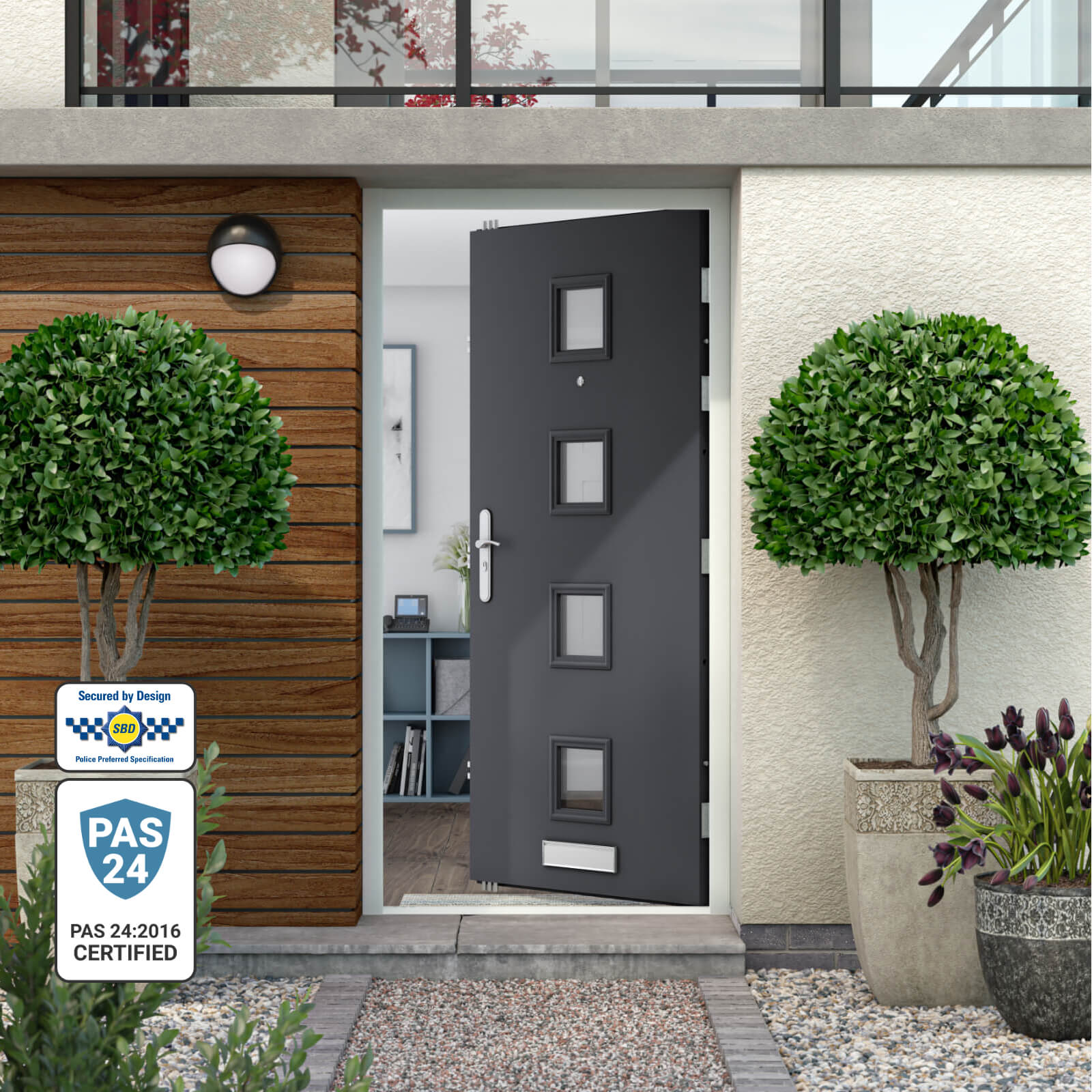
Pros: Excellent security (stronger than wood, rivaling steel in many scenarios). Fantastic weather resistance. Low maintenance. Can look just like real wood without the upkeep. Great insulation.
Cons: Can be more expensive than steel. While strong, they can crack under extreme, targeted impact – though this is rare in typical break-in attempts. But honestly, for most homes, a fiberglass door is a top-tier choice for security and longevity.
Solid Wood Doors: Classic Beauty (with a Catch)
There’s something undeniably charming and traditional about a solid wood front door, isn't there? The weight, the feel, the natural beauty. And yes, a truly solid wood door can be incredibly strong and secure. We're talking about a heavy, solid slab of oak, mahogany, or fir. A solid core wood door is going to give any intruder a really tough time.
BUT – and this is a big "but" – not all wood doors are created equal. Many "wood" doors are actually hollow core or particleboard-filled, often with a thin veneer. These are surprisingly easy to kick in. If you're going for wood for security, you absolutely, positively need a solid core door. Ask your supplier directly, and if they can't tell you, walk away. Period.
Pros: Stunning aesthetics, timeless appeal. Excellent insulation if solid core. Very secure if truly solid wood.
Cons: Requires more maintenance (painting, staining, sealing) to protect against warping, rotting, and cracking from weather exposure. Can be very expensive for a high-quality, solid core option. And again, a hollow core wood door is a security risk, not a solution. So choose wisely, my friend!
What About Glass Panels?
Okay, a quick side note on glass panels, because let's face it, they look great, let in light, but also scream "smash me!" to a determined intruder. If you absolutely love the look of glass in your front door (and who doesn't?), make sure it's tempered or laminated security glass. Tempered glass shatters into small, less dangerous pieces, but it still shatters. Laminated glass is even better as it holds together even when broken, making it much harder to create an entry point. And ensure the glass is properly secured within a sturdy frame. It's an important detail you don't want to overlook!
The Takeaway: Your Security, Your Choice
So, which one wins the "Best Front Door Material for Security" award? Honestly, it’s a tight race between steel and fiberglass, with solid core wood coming in a very strong third. Each offers fantastic security benefits, but with different pros and cons in terms of maintenance, cost, and aesthetics. Steel is the brute force champion, fiberglass is the low-maintenance, good-looking workhorse, and solid wood is the classic beauty that demands a bit more love (and initial investment) to truly be secure.
Ultimately, the best door for you will depend on your budget, your local climate, and the overall look you're going for. But whatever you choose, remember that the material is just one piece of the puzzle. A strong door also needs a robust frame, heavy-duty hinges, and, perhaps most importantly, a high-quality, deadbolt lock. Because even the strongest door is only as good as what's holding it shut, right?
Sleep tight, knowing your front door isn't just looking good, it's doing its job!