
Best Carbon Monoxide Detector For Home

Okay, let's talk about something that's usually, well, boring. But guess what? It doesn't have to be! We're diving into the wonderfully whimsical world of carbon monoxide detectors. Yeah, I know, snooze fest, right? Wrong! These little gadgets are actually tiny superheroes, and they've got some seriously cool secrets.
Think about it: we're talking about an invisible, odorless, tasteless gas. It’s like the ultimate sneaky ninja, but way less cool and way more dangerous. That’s where our trusty CO detectors swoop in. They’re basically tiny Sherlock Holmeses, sniffing out trouble you can’t even see!
Meet the Invisible Menace: Carbon Monoxide (CO)
So, what exactly is carbon monoxide? Picture this: it’s what happens when stuff like your furnace, gas stove, or even your car engine burns fuel without enough oxygen. Instead of happy, harmless carbon dioxide, you get this nasty byproduct. It’s super greedy for the oxygen in your blood, which is, you know, kind of important for living.
Must Read
And here’s the kicker: you won’t smell it. You won’t see it. You won’t taste it. It just hangs out, making you feel a bit sluggish, then maybe dizzy, then really, really unwell. It's the ultimate party crasher that you didn't even know was at the party.
Why These Gadgets Are Actually Fun
Now, for the fun part! How do these little boxes, often mistaken for smoke detectors' less glamorous cousins, work? Most home CO detectors use an electrochemical sensor. It's basically a fancy battery that reacts when CO shows up, creating an electrical current. More CO, more current, and BEEP BEEP BEEP!
It’s like they have a super sensitive nose for danger, only it’s a tiny chemical reaction instead of actual nostrils. Pretty neat, huh? They’re like miniature scientists, constantly running experiments in your living room. And they do it all for you!
![The 5 Best Carbon Monoxide Detector of 2024 [Buying Guide] - YouTube](https://i.ytimg.com/vi/_VbeKxWQSos/maxresdefault.jpg)
The Different Flavors of CO Detectors
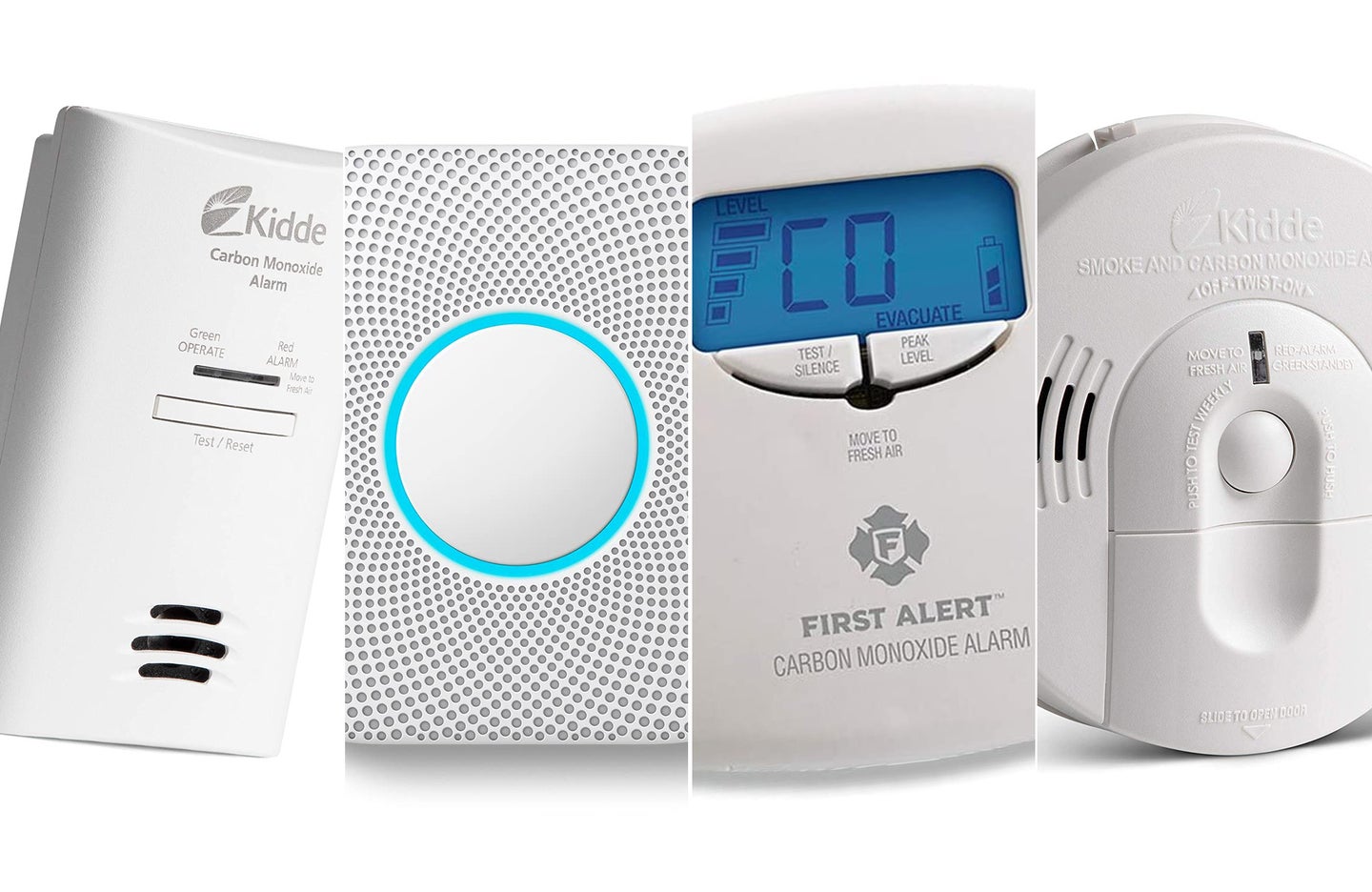
Just like ice cream, CO detectors come in a few "flavors." You've got your plug-in pals, which you just stick into an outlet. Easy peasy! Then there are your battery-operated buddies, perfect for places without an accessible outlet or during a power outage. Smart cookies, those are!
And for the ultimate multi-taskers, there are combo units. These gems detect both smoke AND CO. Talk about getting bang for your buck! It's like having Batman and Robin in one tiny package.
Choosing Your Home's Hero: What to Look For
So, you're ready to pick your hero? Here's what makes a CO detector truly shine:

- Clear Digital Display: This is a biggie! Some detectors show you the actual CO level in parts per million (ppm). It's like having a little dashboard for your air quality. Super cool for curiosity and peace of mind.
- Loud Alarm: Duh! You want it to wake you up. Look for decibel levels around 85 dB. That’s about as loud as a garbage disposal or a busy city street. You'll hear that!
- Battery Backup (even for plug-ins): Because power outages don't care about your safety. A good detector keeps working even when the lights go out.
- End-of-Life Warning: Yep, these devices don't last forever. They usually have a lifespan of 5-7 years. A good detector will chirp or display a message when it's time to retire. It's their polite way of saying, "I've served my time, human!"
Remember, it’s not about finding the fanciest one. It's about finding one that's reliable and user-friendly. You want a friend, not a tech project.
Quirky CO Facts & Fun Bits!
Did you know CO poisoning used to be called "coal gas poisoning"? Sounds like something out of a Dickens novel! Thankfully, our detection methods have evolved beyond a canary in a coal mine. Though, let's be honest, a tiny canary detector would be pretty adorable.
Here’s another fun fact: your pets can suffer from CO poisoning too! If your furry friend seems unusually lethargic or unwell, it might be a sign. They're part of the family, so make sure they're safe, too. Maybe your cat will start acting even more mysterious than usual – that’s a real sign!
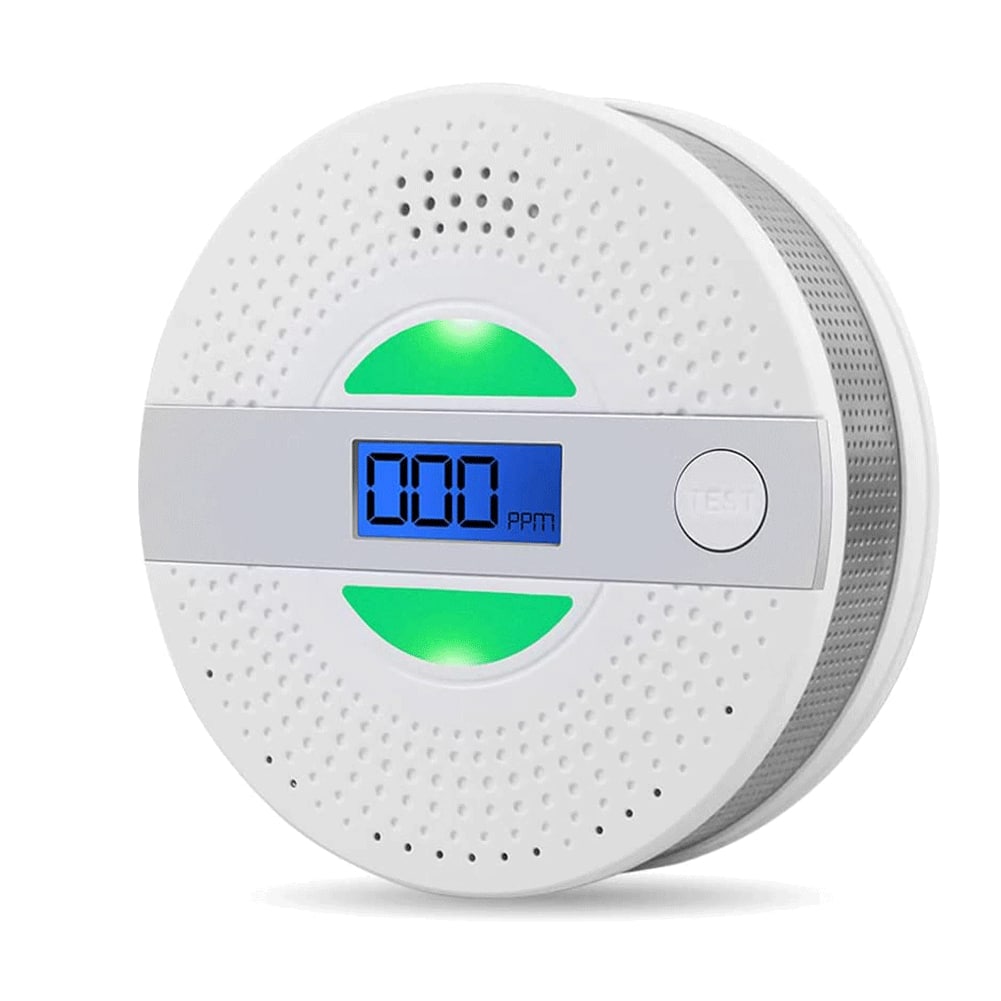
And those random chirps your detector sometimes makes? Usually, it’s not CO. It’s either a low battery (time for a fresh one!) or, as mentioned, it’s reached its expiration date. It's like your detector clearing its throat to get your attention.
Where to Put Your Little Guardian Angel
Placement matters! Don't just stick it anywhere. You want one near sleeping areas, so it can wake you up. And definitely one on every level of your home. Avoid placing them right next to fuel-burning appliances (like your furnace) or in dusty, humid spots like bathrooms or kitchens. False alarms are no fun!
Think of it as setting up a surveillance system, but for invisible threats. Give your detector a good vantage point, about knee-to-chest height is often recommended. Not too high, not too low. Just right!
Maintenance? Easy Peasy!
Keeping your CO detector happy is super simple. Test it monthly! There's usually a "test" button. Press it, hear the chirp, and know it's working. It’s like giving it a little high-five. And remember to change the batteries twice a year, usually when you change your clocks for daylight saving time. Easy reminder!
Dust can interfere with the sensors, so a quick vacuum or wipe-down once a month keeps it in tip-top shape. It’s like giving your little superhero a spa day.
Wrapping Up: Stay Safe, Stay Curious!
See? Carbon monoxide detectors aren't so dull after all! They're silent guardians, always on watch, protecting your home and family from an invisible threat. They're a small investment for massive peace of mind, and honestly, pretty cool pieces of tech.
So go ahead, give a little nod of appreciation to these tiny heroes. Check yours, test it, and maybe even learn a bit more about how it works. Stay safe, stay curious, and give your home the invisible protection it deserves!