Best Carbon Monoxide Detector For Garage

Ever find yourself tinkering away in the garage, maybe fixing something, pursuing a hobby, or just getting organized? Garages are amazing spaces – workshops, storage units, even temporary hangouts. But amidst all that utility, there’s a quiet, invisible guest that sometimes shows up uninvited: carbon monoxide. Learning about the best carbon monoxide detector for your garage isn't just about ticking off a safety box; it's about becoming a bit of a home safety sleuth, understanding a silent threat, and empowering yourself with knowledge. It's surprisingly fascinating to peel back the layers on something so seemingly mundane, revealing how a small device can be a huge guardian.
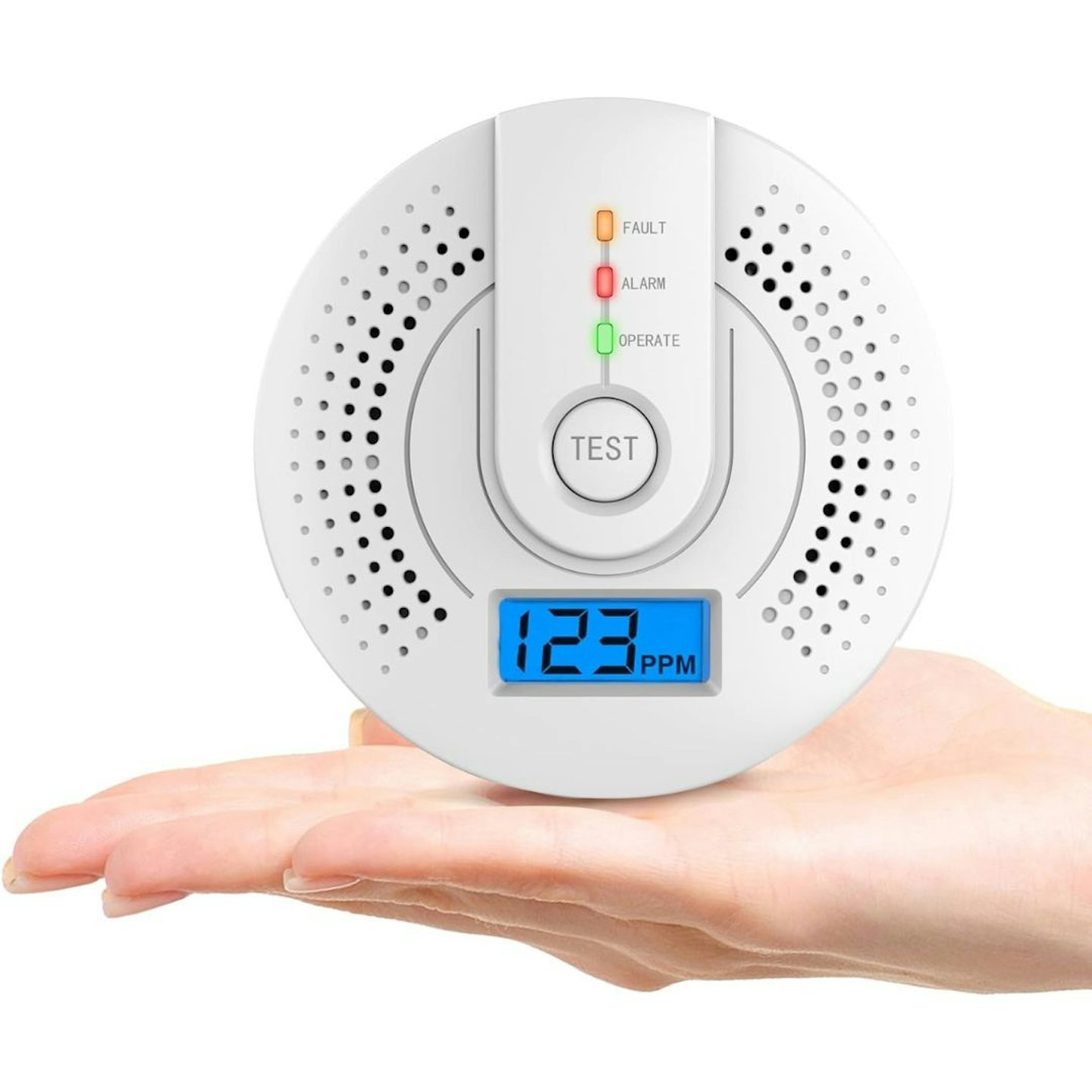
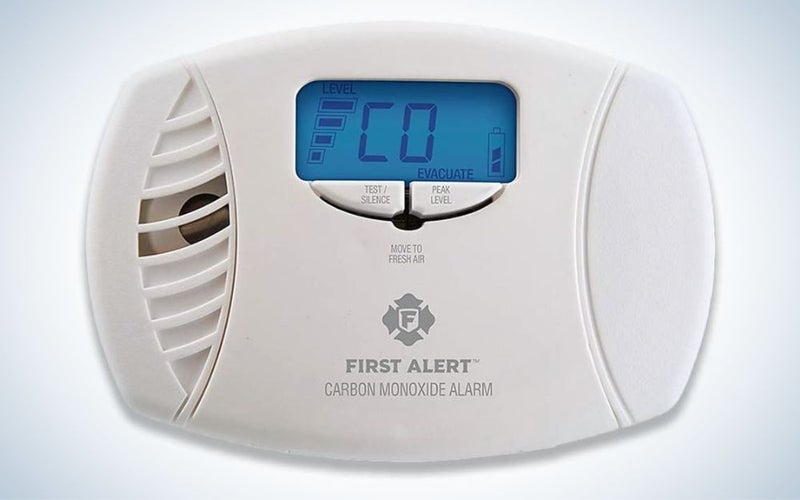
So, what exactly are we talking about? Carbon monoxide (CO) is a gas that you can't see, smell, or taste, making it incredibly insidious. It’s often called the "silent killer" for a reason. In a garage setting, CO can come from various sources: a car running, gas-powered tools like lawnmowers or generators, propane heaters, or even a grill being used too close to the open door. The purpose of a CO detector is brilliantly simple yet profoundly life-saving: it monitors the air for this dangerous gas and alerts you if levels become unsafe. The benefit? Early warning. Your detector gives you precious time to ventilate the area or get out, preventing headaches, dizziness, nausea, confusion, and more severe symptoms that can lead to unconsciousness or worse. It provides invaluable peace of mind, knowing that an unseen danger isn't lurking while you work or store things.
Think about how this plays out in daily life. Imagine you’re working on a project in the garage during winter, perhaps using a small portable heater to stay warm. Or, during a power outage, you might briefly run a generator in the garage with the door open for an hour or two. Without a CO detector, you're relying purely on chance. With one, it's constantly vigilant. From an educational perspective, understanding CO detection helps us appreciate the science of air quality and chemical safety. It teaches us about the importance of proper ventilation and how technology can bridge the gap where our senses fail. It's a tangible lesson in proactive safety – not waiting for symptoms but preventing exposure entirely. It really drives home the point that basic science can have profound real-world impacts.
Must Read
Ready to explore this further? Here are some simple tips. Firstly, consider the type of detector. Battery-operated units offer flexibility in placement, while plug-in models often have a battery backup. Some newer "smart" detectors can even connect to your phone, alerting you if CO is detected, even when you're not home! Secondly, placement is key. CO tends to mix with air, so don't just put it on the floor. A good height is usually chest to head level, or according to manufacturer instructions. Avoid placing it directly next to combustion appliances or exhaust fans. Thirdly, maintenance is crucial. Test your detector monthly using its test button, and replace batteries annually (for battery-powered units or backups). Crucially, CO detectors have an expiration date – typically 5-7 years – so mark it on the calendar and replace the entire unit when due. Finally, remember that a detector is a safeguard, not a license for carelessness. Always ensure adequate ventilation when using any fuel-burning appliance in your garage, and never run a car engine in an enclosed garage for any extended period. Take a peek at online reviews, visit your local hardware store to see the options, and become your own garage safety expert!
![The 5 Best Carbon Monoxide Detector of 2024 [Buying Guide] - YouTube](https://i.ytimg.com/vi/_VbeKxWQSos/maxresdefault.jpg)