Best Carbon Monoxide And Explosive Gas Detector
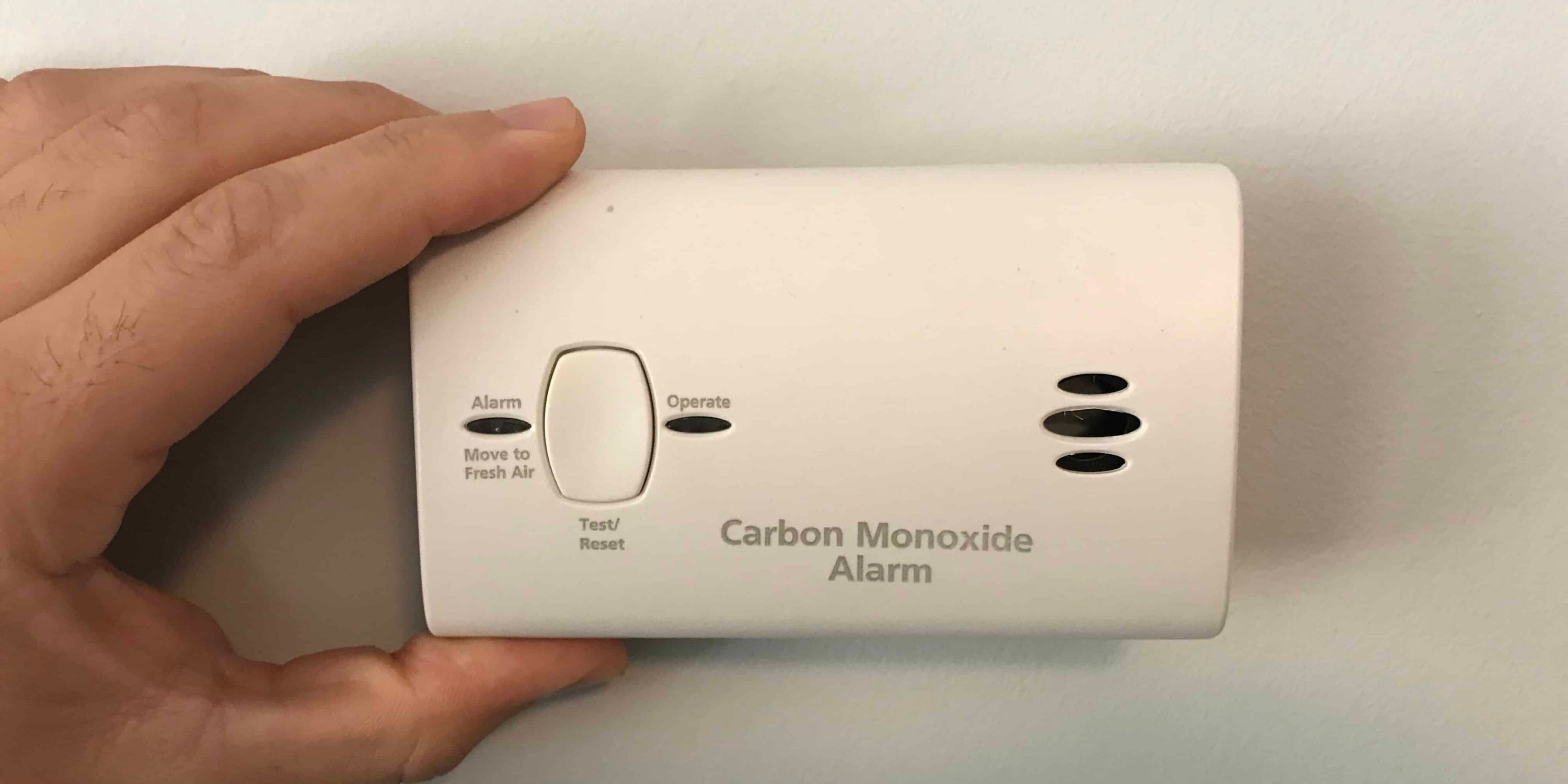
Ever feel a little like a detective, trying to uncover hidden mysteries? Sometimes, the most important mysteries are the ones we can't see or smell. That's where something truly fascinating comes into play: the world of carbon monoxide and explosive gas detectors. Learning about these gadgets isn't just about safety (though it's super important!); it's about understanding clever technology that works tirelessly in the background, giving us genuine peace of mind. It’s like having a silent, ever-vigilant guardian for your home, making it a surprisingly engaging topic once you dig in.
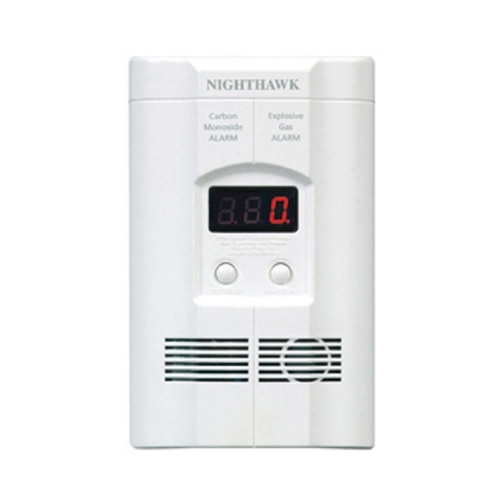
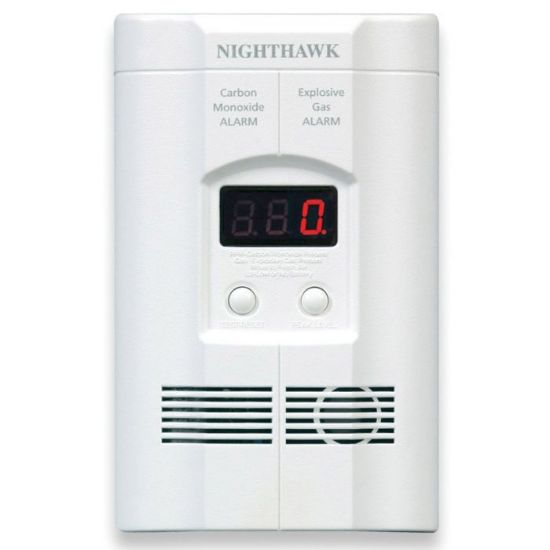
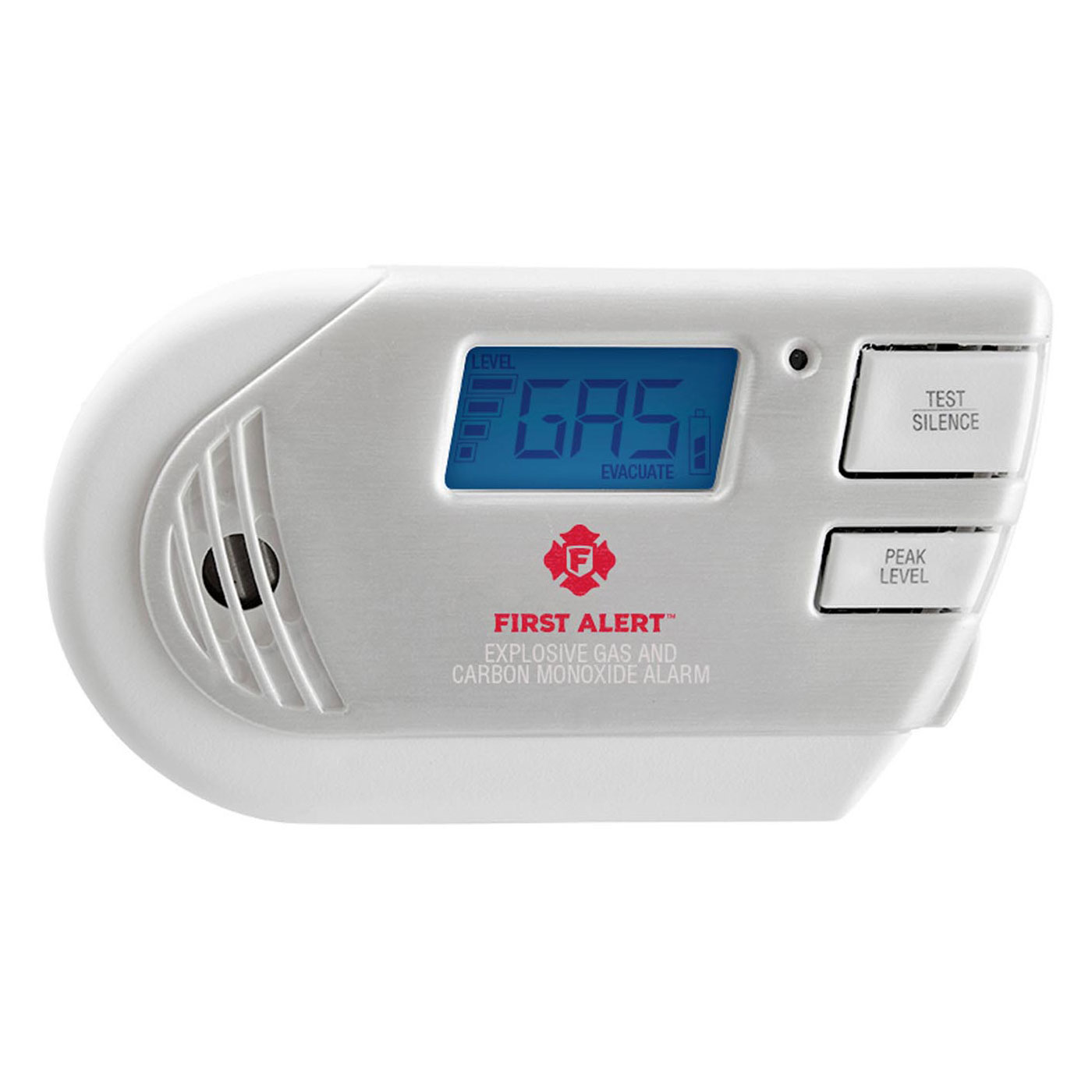
So, what exactly are we talking about here? In simplest terms, these detectors are your nose and ears for invisible dangers. Carbon monoxide (CO) is often called the "silent killer" because it’s odorless, colorless, and tasteless, yet incredibly toxic. It's a byproduct of incomplete combustion from things like furnaces, gas stoves, fireplaces, and car exhaust. Explosive gases, like natural gas, propane, and methane, are a different kind of threat; while they often have a distinctive odor added for detection, a leak can quickly lead to a fire or explosion. The primary purpose of these detectors is brilliantly simple: to alert you to the presence of these dangerous gases before they reach harmful or explosive levels. The benefit? A life-saving early warning, preventing serious illness, injury, or catastrophe.
You might be surprised how often these devices quietly go about their business in our daily lives. In your own home, a combo CO/explosive gas detector is a smart addition, especially if you have a gas furnace, a gas water heater, a gas stove, or even an attached garage where a car might idle. They're essential in RVs and campers, where enclosed spaces and propane appliances create a higher risk. Imagine cozying up in your camper, knowing a little device is constantly scanning the air, allowing you to relax truly. While not directly "used" in education in a hands-on sense for most, understanding the science behind gas detection – how different sensors react to specific molecules – can be a cool topic for a chemistry or physics class, illustrating real-world applications of scientific principles and promoting crucial safety awareness from a young age.
Must Read
Ready to explore this topic a bit further? It’s easier than you think! A great first step is to simply check your own home. Do you have CO detectors? Are there separate explosive gas detectors near your fuel-burning appliances? A simple trick is to ensure you have detectors on every level of your home, especially near sleeping areas and where combustion appliances are located. Always remember to test them regularly (most have a test button!) and note their expiration dates – yes, detectors expire and need replacing, usually every 5-10 years. For a deeper dive, research the different types available: some are hardwired, some battery-operated, and smart versions can even send alerts to your phone. Understanding the basic science of how they work, such as electrochemical sensors for CO or catalytic bead sensors for explosive gases, can be quite engaging. It’s a small effort for a huge payoff in safety and peace of mind, empowering you with knowledge about the invisible protectors in your life.