
Average Weight Of A Dryer

Ever find yourself gazing at your dryer, perhaps as it tumbles your socks into cozy oblivion, and wonder… what exactly is going on in there? We often take these trusty machines for granted, don't we? They’re just... there, doing their thing. But have you ever paused to think about its sheer physical presence? Specifically, its weight?
It might sound like a super random question, something that only pops into your head during a particularly slow day or perhaps when you’re contemplating moving it. But stick with me! There’s something oddly satisfying and even pretty cool about understanding the everyday objects around us, especially the heavy-duty workhorses of our homes.
So, What's the Average Weight of a Dryer?
Drumroll please! On average, your typical household dryer, the kind you’d find humming in most laundry rooms, weighs in at about 120 to 150 pounds. That’s a fair bit of bulk, isn't it?
Must Read
To put that into perspective, imagine trying to lift a very determined, fully grown Labrador Retriever – by yourself! Or perhaps a couple of those really large bags of dog food. Maybe even a small, old-school television set (remember those?). It’s definitely not something you casually pick up and move around without a second thought, or a strong helper (or two!).
Why the Weight Variation? It's All About the Guts (and the Gas!)
Like people, not all dryers are built the same, and their weight can vary quite a bit. What makes one dryer a bit heavier or lighter than another? It usually boils down to a few key factors:

1. Electric vs. Gas: This is probably one of the biggest differentiators. Gas dryers typically have a few extra components compared to their electric counterparts. We’re talking about gas valves, specific burners, and more intricate ventilation systems. These added bits and bobs mean gas models often nudge a bit higher on the scales, maybe an extra 10-20 pounds.
2. Size and Capacity: Seems obvious, right? A bigger dryer means more materials – more metal for the drum, a larger frame, and more insulation. If you’ve got one of those enormous mega-capacity dryers designed to handle king-sized duvets, you can bet it’s going to be on the higher end of that 150-pound spectrum, possibly even pushing 180-200 pounds!
3. Features and Technology: Modern dryers come packed with all sorts of fancy features. Think about steam functions (which require water reservoirs and heating elements), advanced sensor drying, or even smart connectivity components. More features often mean more internal parts, adding to the overall heft.
4. Build Quality and Materials: Some dryers are simply built like tanks. Manufacturers might use thicker gauge steel for the drum or frame, more robust motors, or heavier insulation for quieter operation. While great for durability, it certainly adds to the poundage.
Why Does This Matter to You? More Than You Think!
Okay, so it weighs as much as a small person. Why should you care? Well, understanding your dryer's weight isn't just a fun fact; it has some real-world implications:

Moving Day Nightmares (or Triumphs!): Planning to move to a new place? Or just shuffling your laundry room around? Knowing the weight helps you plan. You’ll definitely want to enlist some strong friends or hire professional movers. Attempting to move a 150-pound appliance by yourself is a surefire way to earn a trip to the chiropractor!
Floor Power: If your laundry room is upstairs, or you're thinking of putting a dryer on a specific type of flooring, the weight becomes important. Most modern homes are built to handle appliance loads, but it’s always good to be aware. A heavy dryer, especially when stacked with a washing machine, puts a significant load on your floorboards.
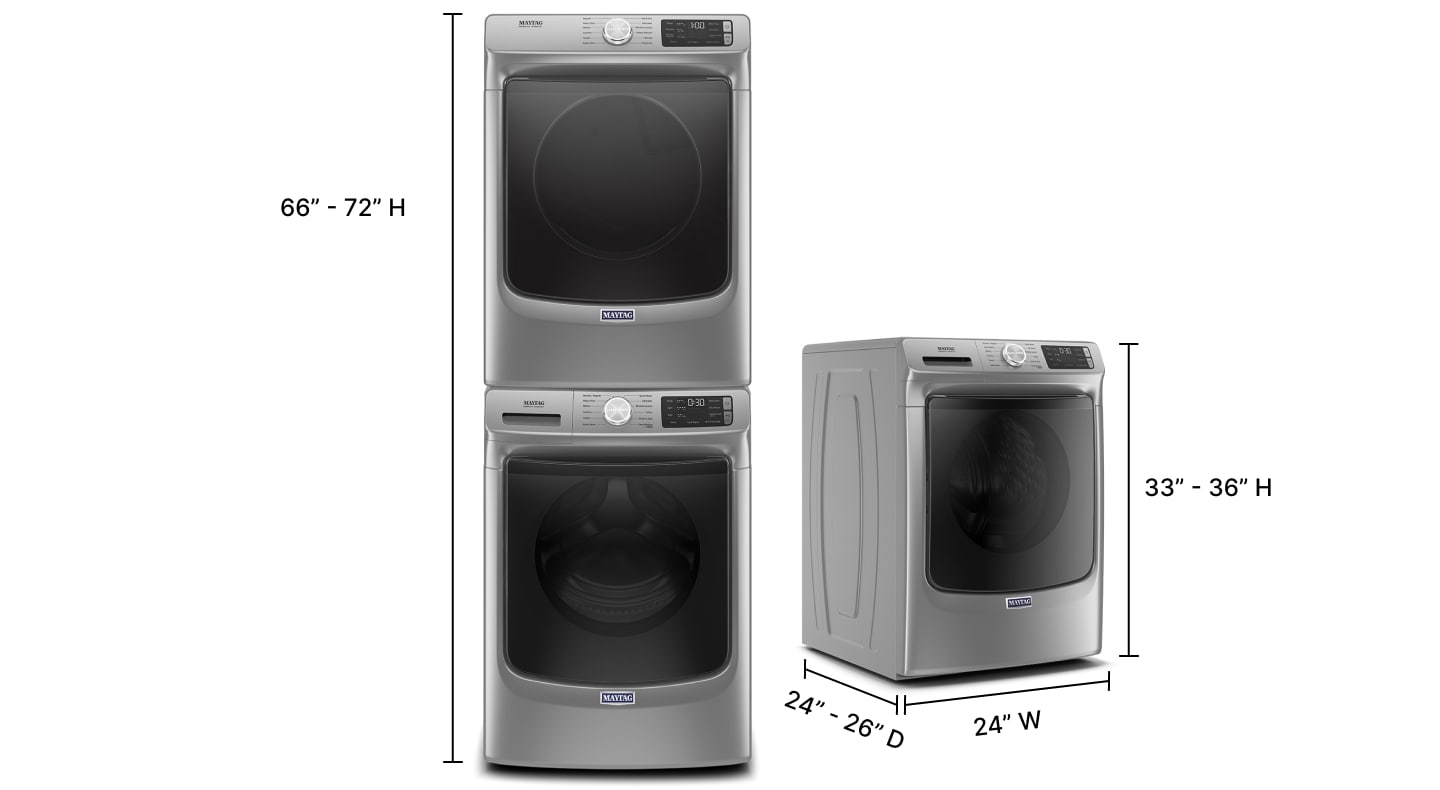
Stacking Sensibility: Many of us opt to stack our washer and dryer to save space. While stacking kits are designed to distribute weight, knowing the combined mass (a washer can easily add another 150-200 pounds!) is crucial. It ensures you’re not exceeding any structural limits or just making your laundry tower unstable.

Shipping Costs: Ever ordered a new dryer online? Those shipping costs aren't just for fun! The weight plays a huge role in determining how much it costs to get that beast from the warehouse to your home. It’s a heavy, bulky item, and logistics companies charge accordingly.
A Little Perspective: The Unsung Hero
So, the next time you toss a load of wet towels into your dryer, take a moment to appreciate the sheer physical presence of this household hero. It's not just a box that blows hot air; it's a carefully engineered piece of machinery, often weighing as much as a human being, designed to make your life infinitely easier.
It’s a robust, often understated appliance that works tirelessly behind the scenes. And now, you know a little more about its literal weight in the world. Pretty cool, right? Who knew a simple question about weight could lead to such a fascinating dive into laundry room physics!